Sleep Apnea Signs and Solutions
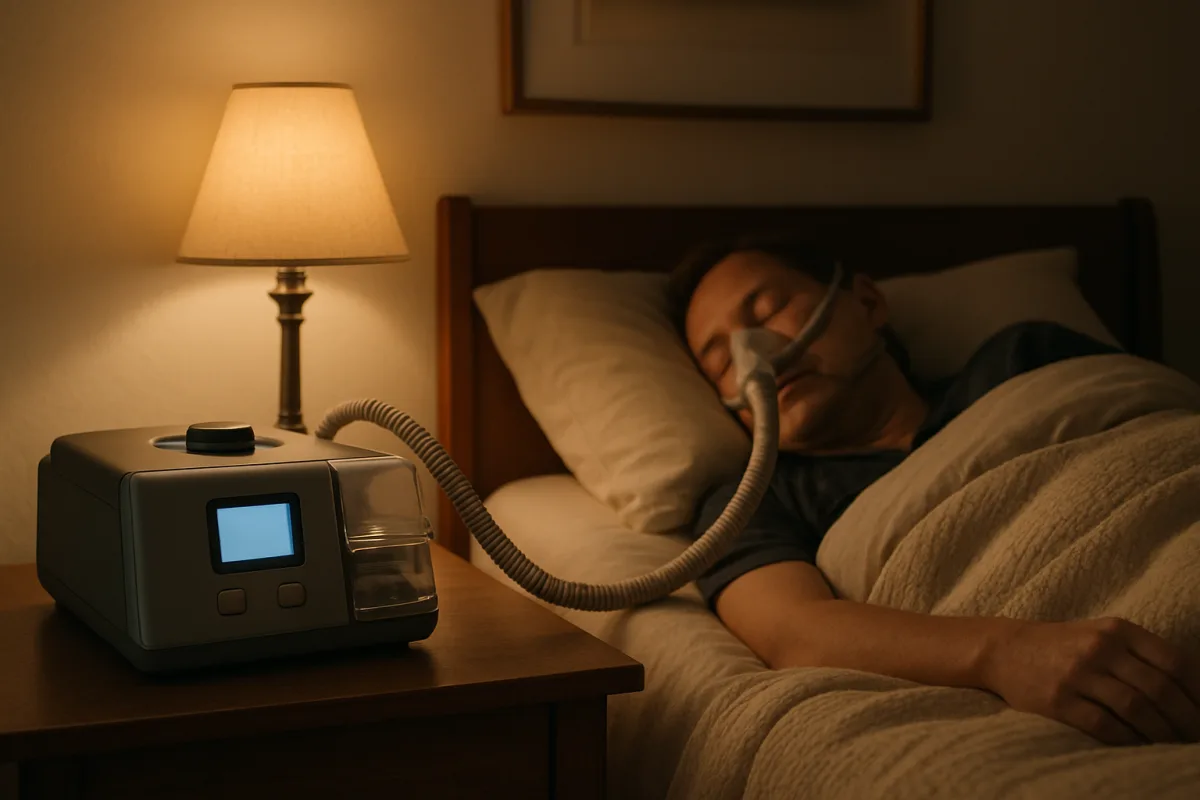
Sleep apnea is a serious sleep disorder characterized by repeated interruptions in breathing during sleep. Common signs include loud snoring, gasping for air during sleep, excessive daytime sleepiness, and difficulty concentrating. Solutions range from lifestyle changes, such as weight loss and avoiding alcohol, to medical interventions like CPAP machines and surgery. Early diagnosis and treatment are crucial to prevent complications like cardiovascular issues and impaired cognitive function.
Quick Summary
Understanding sleep apnea is vital for those experiencing symptoms or caring for someone who does. Key signs include loud snoring, gasping for breath, and daytime fatigue. Solutions vary from lifestyle modifications to medical treatments, emphasizing the importance of early intervention. Recognizing these signs can lead to timely diagnosis and effective management, improving overall health and quality of life.
Curator Notes
Sleep apnea is often underdiagnosed, yet it affects millions worldwide. The most common type, obstructive sleep apnea (OSA), occurs when throat muscles relax excessively during sleep, blocking the airway. This can lead to fragmented sleep and reduced oxygen levels, causing various health issues.
Identifying the signs early can significantly improve treatment outcomes. Common symptoms include loud snoring, which is often reported by bed partners, and episodes of choking or gasping during sleep. Daytime fatigue is another major indicator, as individuals may struggle with concentration and memory due to poor sleep quality.
Recognizing these signs is crucial for seeking appropriate medical advice. Lifestyle changes can be the first line of defense against sleep apnea. Weight loss can reduce the severity of symptoms, especially in overweight individuals.
Avoiding alcohol and sedatives before bedtime can also help, as these substances relax the throat muscles, increasing the likelihood of airway obstruction. For those who do not respond to lifestyle changes, medical interventions may be necessary. Continuous Positive Airway Pressure (CPAP) therapy is a common treatment that keeps the airway open by providing a steady stream of air through a mask.
While effective, some users find it uncomfortable, leading to compliance issues. Surgical options exist for more severe cases or when other treatments fail. Procedures may involve removing excess tissue from the throat or repositioning the jaw to keep the airway open.
However, surgery carries risks and should be considered carefully. Regular follow-ups with healthcare providers are essential for managing sleep apnea effectively. Monitoring symptoms and treatment efficacy can lead to adjustments in therapy, ensuring optimal outcomes.
Patients should also be aware of potential complications, such as cardiovascular problems and metabolic issues, that can arise from untreated sleep apnea. In summary, recognizing the signs of sleep apnea and understanding the available solutions can empower individuals to take charge of their health. Early intervention not only enhances sleep quality but also reduces the risk of serious health complications down the line.
Recommended Options
- ResMed AirSense 10: Best for Individuals needing CPAP therapy Highly rated for comfort and ease of use, with advanced features like auto-adjusting pressure. Signal checked: Widely recommended by sleep specialists and users for its reliability and effectiveness. Alternative to consider: Philips DreamStation, which offers similar features but may be less user-friendly.
- Weight Watchers: Best for Those looking to lose weight to alleviate sleep apnea symptoms Proven weight management program with support and resources tailored for long-term success. Signal checked: Positive reviews from users who have successfully lost weight and improved their sleep quality. Alternative to consider: MyFitnessPal, which offers a more flexible approach to tracking diet and exercise.
Best Sources
Videos and Community Signals
Michelle Riggs, RN, shares six signs you may benefit from Inspire therapy if you are struggling from sleep apnea. Learn more ...
We know that millions of Americans suffer from sleep apnea. But what is sleep apnea? This short video will help explain the ...
Comparison
| Decision Point | Good Starting Choice | When to Go Further |
|---|---|---|
| Lifestyle Changes | Weight loss and avoiding alcohol for mild cases. | Comprehensive lifestyle management for severe symptoms. |
| CPAP Therapy | Standard CPAP machine for basic treatment. | Auto-adjusting CPAP for personalized therapy. |
| Surgical Options | Tissue removal for moderate cases. | Jaw repositioning for severe airway obstruction. |
FAQ
Loud snoring, gasping for air during sleep, excessive daytime sleepiness, and difficulty concentrating are key signs.
Diagnosis typically involves a sleep study, which can be conducted at home or in a sleep clinic.
Untreated sleep apnea can lead to serious health issues, including cardiovascular disease, diabetes, and impaired cognitive function.