Leaky Gut: What the Research Shows
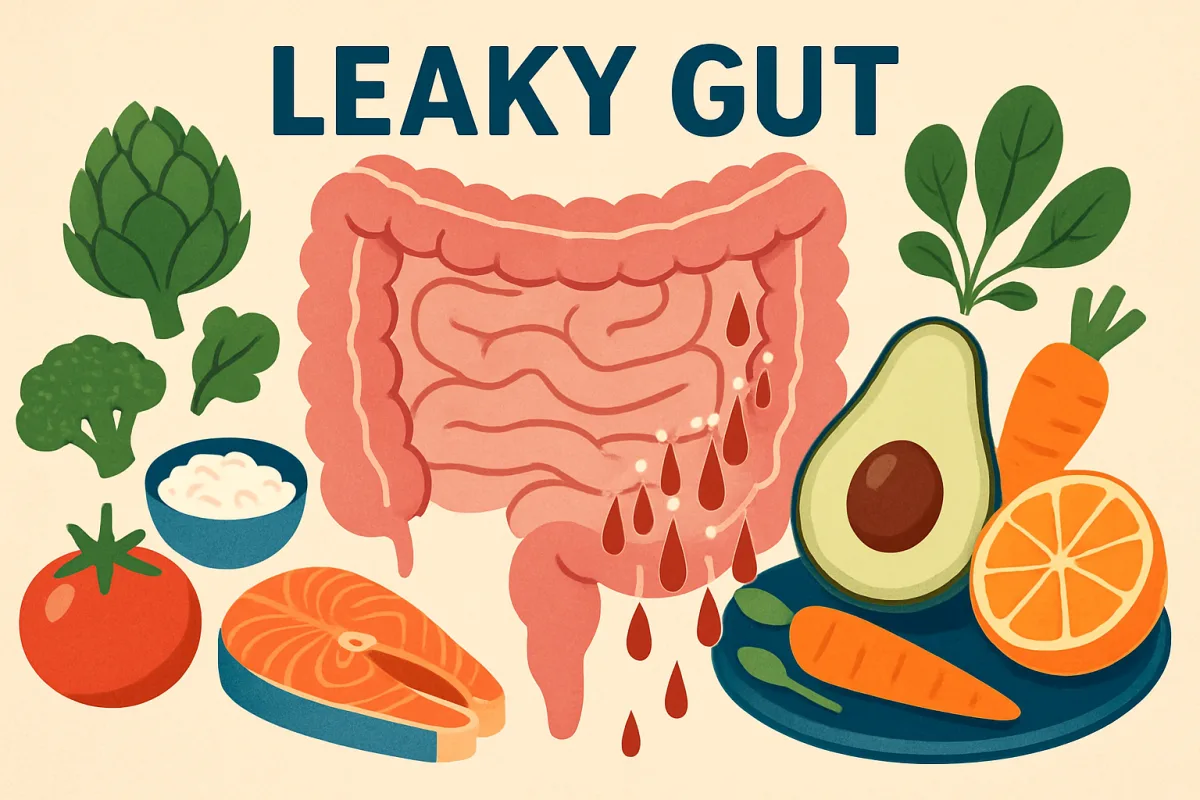
Leaky gut syndrome, characterized by increased intestinal permeability, has gained attention in recent years. Research indicates that this condition may be linked to various health issues, including autoimmune diseases, food sensitivities, and chronic inflammation. While the scientific community is still debating the extent and implications of leaky gut, some studies suggest that factors like diet, stress, and gut microbiome imbalances can contribute to its development. Addressing these factors through dietary changes and lifestyle modifications may help manage symptoms, although more research is needed to establish definitive treatment protocols.
Quick Summary
Leaky gut syndrome is increasingly recognized in health discussions, linking gut permeability to various ailments. Factors such as diet, stress, and gut flora play crucial roles in its development. While some evidence supports dietary interventions for symptom management, ongoing research is essential to clarify its broader health implications. Understanding leaky gut is vital for anyone experiencing unexplained digestive or autoimmune issues.
Curator Notes
Leaky gut syndrome, or increased intestinal permeability, is a condition where the lining of the intestines becomes damaged, allowing toxins and undigested food particles to enter the bloodstream. This phenomenon has been linked to a variety of health issues, including autoimmune diseases, allergies, and chronic inflammation. However, the scientific community remains divided on the extent of its impact and the mechanisms involved.
Research suggests that several factors contribute to leaky gut, including diet, stress, and an imbalance in gut microbiota. High-sugar and high-fat diets can exacerbate gut permeability, while a diet rich in fiber and fermented foods may help restore gut health. Stress management techniques, such as mindfulness and regular exercise, are also crucial in maintaining gut integrity.
While some studies indicate that leaky gut may be associated with conditions like irritable bowel syndrome (IBS) and celiac disease, definitive causal relationships are still being explored. The practical concern is that many people self-diagnose or seek unverified treatments without consulting healthcare professionals, potentially leading to ineffective or harmful interventions. Addressing leaky gut often involves a multifaceted approach.
Dietary changes, such as eliminating gluten or dairy, may provide relief for some individuals. However, these changes should ideally be guided by a healthcare provider to ensure nutritional balance and avoid unnecessary restrictions. Probiotics and prebiotics are frequently recommended to support gut health.
However, the effectiveness of these supplements can vary widely among individuals. Some may experience significant benefits, while others may see little to no change. This variability underscores the importance of personalized approaches to gut health.
In summary, while leaky gut is a topic of growing interest, more rigorous research is needed to fully understand its implications and effective treatments. Individuals experiencing symptoms should consider consulting with healthcare professionals to explore tailored strategies that address their specific needs and conditions.
Best Sources
Videos and Community Signals
What causes leaky gut and how do you treat it? Today I'll answer these questions and give you the 4 most effective ways to help ...
Leaky Gut Diet and Treatment Plan, Including Top Gut Foods: http://bit.ly/2FZUHxT In this video, I'm going to share with you the top ...
Comparison
| Decision Point | Good Starting Choice | When to Go Further |
|---|---|---|
| Online booking | A simple booking page with service duration, staff assignment and confirmation emails. | Multi-location calendars, deposits, cancellation rules and waitlist handling. |
| Client records | Basic notes, visit history and contact details are enough to start. | Segmentation, purchase history, memberships, forms and before-after notes become more important. |
| Reminders | SMS or email reminders help reduce no-shows without adding admin work. | Automated rebooking, follow-up campaigns and missed-appointment recovery matter more. |
| Payments | Card capture and checkout should be simple and transparent. | Packages, memberships, staff commissions, tips and refunds need cleaner reporting. |
| Marketing | Light email or SMS campaigns are useful if they are easy to run. | Automated win-back, birthday offers, review requests and audience segments create more leverage. |
FAQ
Common symptoms include bloating, food sensitivities, fatigue, and digestive issues. Some individuals may also experience skin problems and autoimmune symptoms.
Improving gut health can involve dietary changes, such as increasing fiber intake, consuming fermented foods, managing stress, and possibly taking probiotics.
While leaky gut is acknowledged in alternative medicine, it is still a topic of debate among conventional medical professionals, and more research is needed.