Fiber Supplements Worth Taking
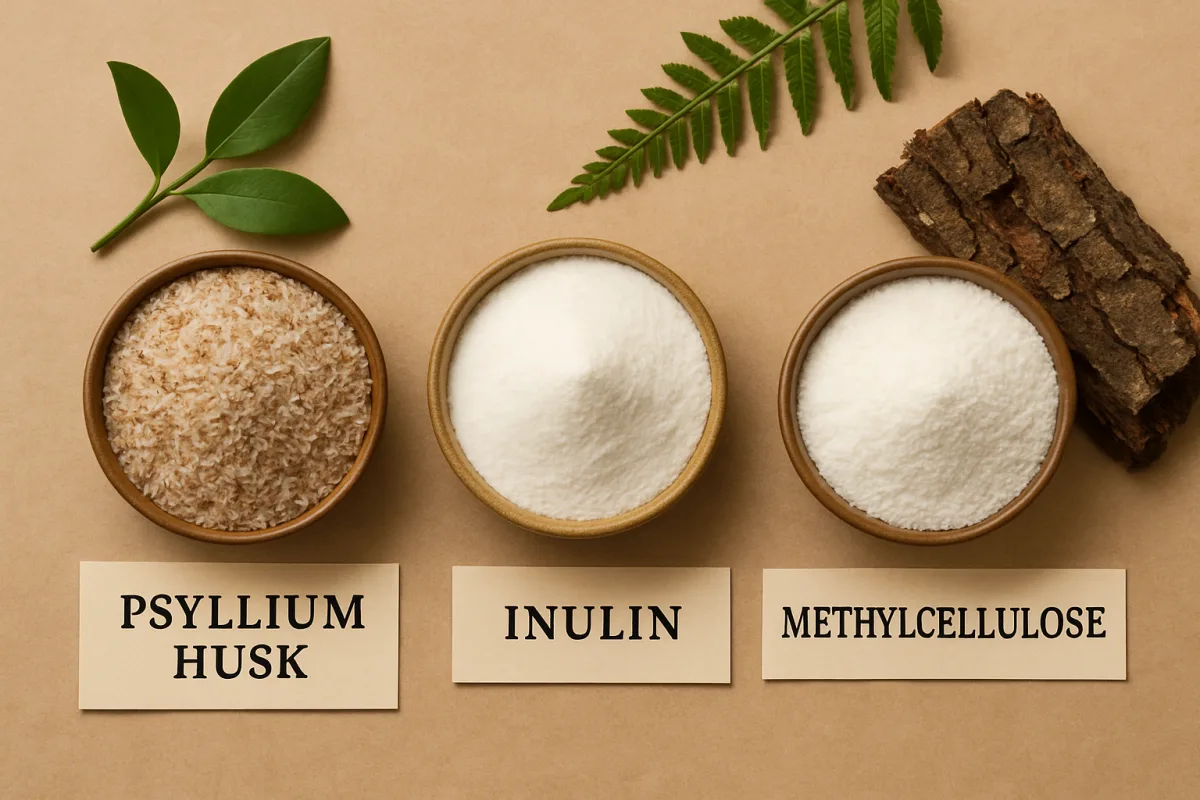
Fiber supplements can significantly enhance digestive health and overall well-being. Popular options include psyllium husk, inulin, and methylcellulose. Psyllium husk is well-regarded for its ability to relieve constipation and promote regularity, while inulin, a prebiotic fiber, supports gut health by feeding beneficial bacteria. Methylcellulose is a synthetic fiber that is effective for those who prefer a non-allergenic option. Each supplement has unique benefits, so the best choice depends on individual health needs and preferences.
Quick Summary
Choosing the right fiber supplement can improve digestive health and support overall wellness. Psyllium husk, inulin, and methylcellulose are among the most recommended options. Psyllium husk is effective for constipation relief and regularity, while inulin serves as a prebiotic to enhance gut flora. Methylcellulose offers a synthetic alternative for those with allergies. Understanding the specific benefits of each can help you select the best fiber supplement for your needs.
Curator Notes
Fiber supplements play a crucial role in maintaining digestive health, but not all options are created equal. Psyllium husk is a natural fiber that has been extensively studied for its effectiveness in treating constipation and promoting regular bowel movements. It works by absorbing water in the intestines, which helps to bulk up stool and make it easier to pass.
This supplement is often recommended for individuals looking for a reliable solution to digestive issues. Inulin, on the other hand, is a prebiotic fiber that not only aids digestion but also supports gut health by nourishing beneficial bacteria. This makes it an excellent choice for those interested in improving their overall gut microbiome.
However, some users may experience gas or bloating when first introducing inulin into their diet, so it's advisable to start with a lower dose and gradually increase. Methylcellulose is a synthetic fiber that is effective for those who may have allergies to natural fibers. It provides a similar bulking effect as psyllium but is less likely to cause gastrointestinal discomfort.
This makes it a suitable option for individuals who are sensitive to other types of fiber supplements. When considering a fiber supplement, it's important to evaluate your specific health needs. For instance, if you're primarily seeking relief from constipation, psyllium husk may be your best bet.
If you're looking to enhance gut health, inulin could be more beneficial. Methylcellulose serves as a versatile alternative for those with dietary restrictions. It's also worth noting that fiber supplements should be taken with plenty of water to prevent any potential digestive discomfort.
Additionally, incorporating fiber-rich foods into your diet, such as fruits, vegetables, and whole grains, can complement the effects of these supplements. Lastly, always consult with a healthcare professional before starting any new supplement regimen, especially if you have underlying health conditions or are taking other medications. This ensures that you choose the right fiber supplement tailored to your unique health profile.
Recommended Options
- Procter & Gamble Metamucil: Best for Individuals seeking relief from constipation Well-researched and effective for promoting regularity Signal checked: Widely recommended by healthcare professionals Alternative to consider: Benefiber
- Kraft Heinz Benefiber: Best for Those looking for a prebiotic option Contains inulin, supporting gut health Signal checked: Positive user reviews for digestive support Alternative to consider: Psyllium husk
- Citrucel: Best for Individuals with allergies to natural fibers Signal checked: Recommended for sensitive users Alternative to consider: Psyllium husk
Best Sources
Videos and Community Signals
In this video, we explore why fiber is an essential part of a healthy diet and how it plays a vital role in maintaining overall health.
Since we did the fiber rich food review the other week, I thought it was only fitting that we review some of the most popular fiber ...
Comparison
| Decision Point | Good Starting Choice | When to Go Further |
|---|---|---|
| Type of Fiber | Natural fiber (Psyllium husk) | Prebiotic fiber (Inulin) |
| Digestive Health Focus | Constipation relief | Gut health support |
| Allergy Considerations | Natural options (Psyllium, Inulin) | Synthetic option (Methylcellulose) |
FAQ
Most adults should aim for 25-30 grams of fiber per day, including both dietary and supplemental sources.
Yes, especially if taken in excess or if your body is not used to high fiber intake. Start with a lower dose and increase gradually.
Some users may experience gas, bloating, or cramping, particularly when first starting. Drinking plenty of water can help mitigate these effects.