Health Savings Account Explained
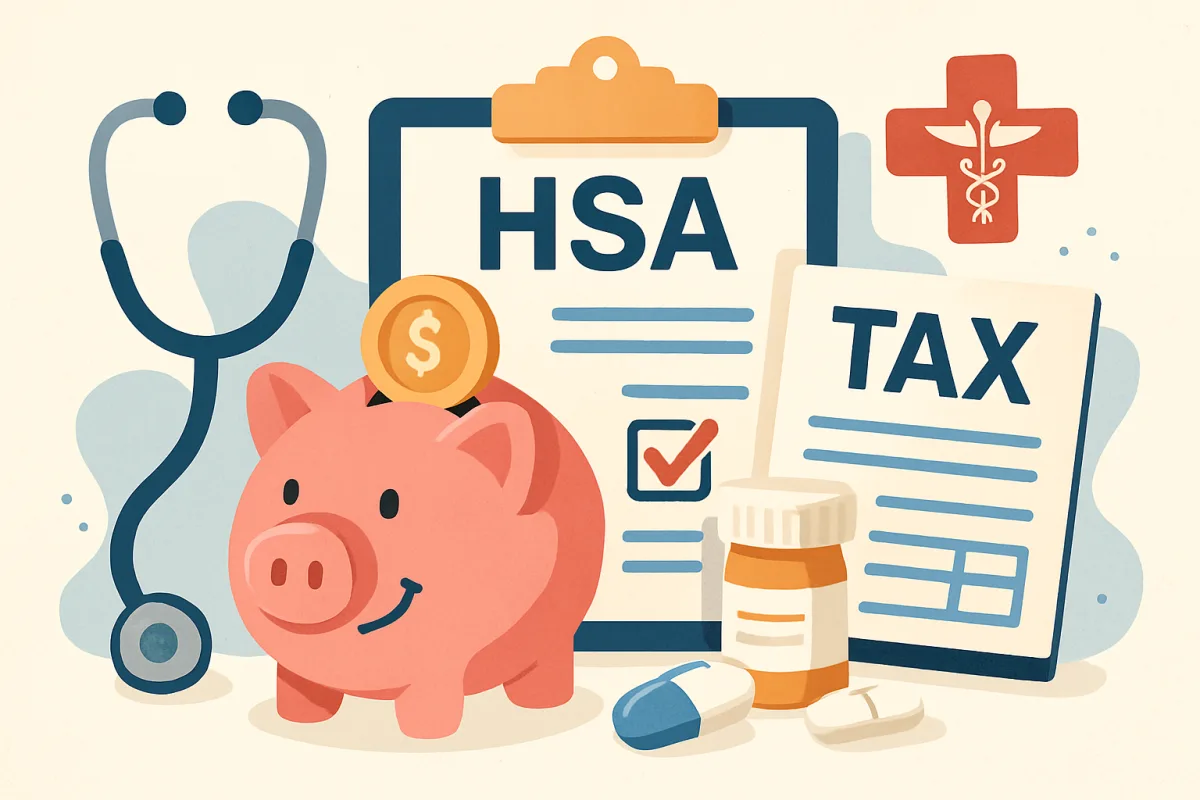
A Health Savings Account (HSA) is a tax-advantaged account designed to help individuals save for medical expenses. To qualify, you must be enrolled in a high-deductible health plan (HDHP). Contributions to an HSA are tax-deductible, and funds can grow tax-free. Withdrawals for qualified medical expenses are also tax-free. HSAs offer flexibility in managing healthcare costs and can be a valuable tool for long-term savings, especially as they can roll over from year to year. However, they are best suited for those who can afford to pay higher deductibles and want to save for future healthcare needs.
Quick Summary
Health Savings Accounts (HSAs) provide a strategic way to save for medical expenses while enjoying tax benefits. These accounts are available to individuals enrolled in high-deductible health plans (HDHPs) and allow for tax-deductible contributions, tax-free growth, and tax-free withdrawals for qualified expenses. HSAs can be particularly beneficial for those looking to manage healthcare costs effectively over time. However, they require careful planning, especially regarding contributions and eligible expenses, making them ideal for individuals who can afford higher deductibles and want to build savings for future healthcare needs.
Curator Notes
Health Savings Accounts (HSAs) are increasingly recognized as a powerful tool for managing healthcare expenses. They allow individuals to set aside pre-tax dollars for medical costs, which can significantly reduce the overall financial burden of healthcare. To open an HSA, you must be enrolled in a high-deductible health plan (HDHP), which typically has lower premiums but higher out-of-pocket costs.
This requirement makes HSAs particularly appealing for younger, healthier individuals who anticipate fewer medical expenses. One of the standout features of HSAs is their triple tax advantage. Contributions made to the account are tax-deductible, meaning they lower your taxable income in the year you contribute.
Additionally, any interest or investment gains within the account grow tax-free. Finally, withdrawals for qualified medical expenses are also tax-free. This unique structure makes HSAs an attractive option for long-term savings, especially for retirement healthcare needs.
However, HSAs are not without their complexities. The requirement for a high-deductible health plan can be a barrier for some individuals, particularly those who have chronic health conditions or expect to incur significant medical expenses. Moreover, understanding what qualifies as a medical expense can be challenging, and improper withdrawals can lead to tax penalties.
Another consideration is contribution limits, which are set annually by the IRS. For 2023, the limit is $3,850 for individuals and $7,750 for families. Those over 55 can contribute an additional $1,000.
It's crucial to stay informed about these limits to maximize your tax benefits. HSAs also offer flexibility in terms of investment options. Many providers allow account holders to invest their HSA funds in stocks, bonds, or mutual funds, potentially increasing their savings over time.
However, this comes with risks, and individuals should carefully consider their investment choices based on their risk tolerance and financial goals. In summary, HSAs can be a valuable financial tool for those who qualify. They provide significant tax advantages and can help individuals manage their healthcare costs effectively.
However, they require careful planning and understanding of the rules surrounding contributions and eligible expenses. For those who can navigate these complexities, HSAs can serve as a robust vehicle for long-term healthcare savings.
Best Sources
Videos and Community Signals
Start eliminating debt for free with EveryDollar - https://ter.li/3w6nto Have a question for the show? Call 888-825-5225 ...
Health Savings Accounts (HSA) are incredible financial tools, but they do have some challenges that keep them from being the ...
Comparison
| Decision Point | Good Starting Choice | When to Go Further |
|---|---|---|
| Online booking | A simple booking page with service duration, staff assignment and confirmation emails. | Multi-location calendars, deposits, cancellation rules and waitlist handling. |
| Client records | Basic notes, visit history and contact details are enough to start. | Segmentation, purchase history, memberships, forms and before-after notes become more important. |
| Reminders | SMS or email reminders help reduce no-shows without adding admin work. | Automated rebooking, follow-up campaigns and missed-appointment recovery matter more. |
| Payments | Card capture and checkout should be simple and transparent. | Packages, memberships, staff commissions, tips and refunds need cleaner reporting. |
| Marketing | Light email or SMS campaigns are useful if they are easy to run. | Automated win-back, birthday offers, review requests and audience segments create more leverage. |
FAQ
An HSA is a tax-advantaged account that allows individuals with high-deductible health plans to save for qualified medical expenses.
To qualify for an HSA, you must be enrolled in a high-deductible health plan (HDHP) and not have other health coverage.
Contributions are tax-deductible, funds grow tax-free, and withdrawals for qualified medical expenses are also tax-free.
Yes, HSA funds can roll over and do not expire at the end of the year, allowing for long-term savings.
Withdrawals for non-qualified expenses are subject to income tax and a 20% penalty if you are under 65.