CRP Levels and What They Indicate
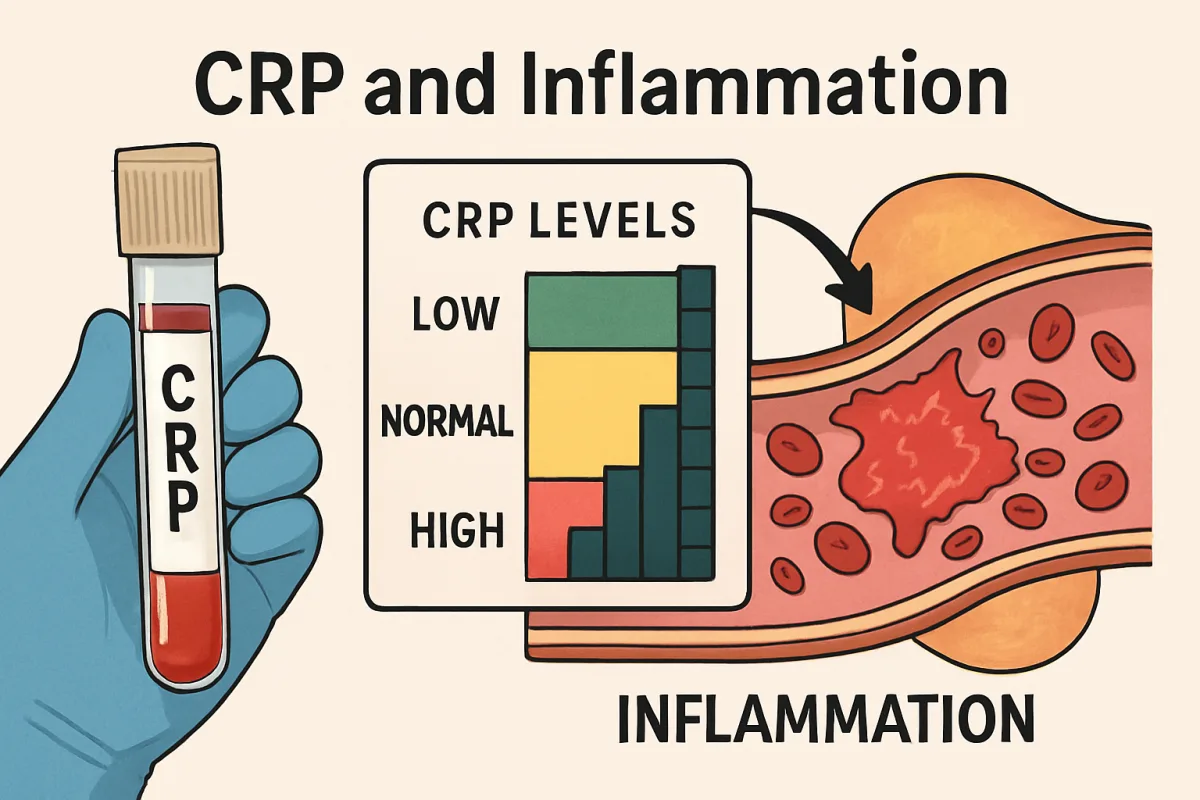
C-reactive protein (CRP) levels are a key indicator of inflammation in the body. Normal levels typically range from 0 to 3 mg/L, while levels above 10 mg/L suggest significant inflammation, often associated with conditions like infections or autoimmune diseases. Monitoring CRP can help assess disease activity and treatment response, making it a valuable tool for healthcare providers. However, elevated CRP is not specific to any one condition, so it should be interpreted alongside other clinical findings.
Quick Summary
Understanding CRP levels is crucial for assessing inflammation in the body. Normal levels range from 0 to 3 mg/L, while higher levels can indicate various health issues, including infections and autoimmune disorders. Regular monitoring can provide insights into disease activity and treatment effectiveness. However, elevated CRP alone does not diagnose a specific condition, necessitating further investigation by healthcare professionals.
Curator Notes
C-reactive protein (CRP) is produced by the liver in response to inflammation. Its levels can rise significantly during acute infections, chronic inflammatory diseases, or tissue injury. Normal CRP levels are generally considered to be below 3 mg/L.
Levels between 3 and 10 mg/L may indicate low-grade inflammation, while levels above 10 mg/L are often associated with more severe inflammatory conditions. Healthcare providers frequently use CRP testing to monitor conditions such as rheumatoid arthritis, lupus, and inflammatory bowel disease. In these contexts, a rising CRP level can indicate worsening disease activity, while a decrease may suggest that treatment is effective.
This makes CRP a valuable biomarker in managing chronic inflammatory diseases. However, it’s important to note that elevated CRP levels are not specific to any one disease. For instance, infections, trauma, and even certain cancers can lead to increased CRP.
Therefore, while CRP testing can provide useful information, it should be interpreted in conjunction with other clinical findings and diagnostic tests. Patients should also be aware of factors that can influence CRP levels. For example, obesity, smoking, and chronic stress can all contribute to higher CRP levels, potentially complicating the interpretation of results.
Lifestyle changes, such as adopting a healthier diet and regular exercise, can help lower CRP levels over time. In clinical practice, CRP testing is often used alongside other inflammatory markers, such as erythrocyte sedimentation rate (ESR), to provide a more comprehensive view of a patient’s inflammatory status. This dual approach can enhance diagnostic accuracy and guide treatment decisions more effectively.
Overall, CRP levels serve as a valuable tool in the healthcare arsenal, but they should be understood as part of a broader diagnostic picture. Patients should engage in discussions with their healthcare providers to fully understand what their CRP levels mean in the context of their overall health. For those interested in tracking their CRP levels, regular blood tests can provide insights into how well inflammation is being managed, especially in chronic conditions.
This ongoing monitoring can empower patients to take an active role in their health management, fostering better outcomes over time.
Best Sources
Videos and Community Signals
inflammation #mentalhealth #carolstream #functionalmedicine #chiropractic What Is C-Reactive Protein? What is a C-reactive ...
In this video Doctor O'Donovan explains the CRP blood (lab) test including 1. What CRP is 2. Why the test is used 3. What the ...
Comparison
| Decision Point | Good Starting Choice | When to Go Further |
|---|---|---|
| Online booking | A simple booking page with service duration, staff assignment and confirmation emails. | Multi-location calendars, deposits, cancellation rules and waitlist handling. |
| Client records | Basic notes, visit history and contact details are enough to start. | Segmentation, purchase history, memberships, forms and before-after notes become more important. |
| Reminders | SMS or email reminders help reduce no-shows without adding admin work. | Automated rebooking, follow-up campaigns and missed-appointment recovery matter more. |
| Payments | Card capture and checkout should be simple and transparent. | Packages, memberships, staff commissions, tips and refunds need cleaner reporting. |
| Marketing | Light email or SMS campaigns are useful if they are easy to run. | Automated win-back, birthday offers, review requests and audience segments create more leverage. |
FAQ
High CRP levels typically indicate inflammation in the body, which can be due to infections, autoimmune diseases, or other inflammatory conditions.
CRP is measured through a blood test, which can be ordered by a healthcare provider to assess inflammation levels.
Yes, lifestyle changes such as improving diet, exercising regularly, and quitting smoking can help lower CRP levels.
No, a high CRP level is not specific to any one condition and should be interpreted alongside other clinical findings.