Bone Density and How to Protect It
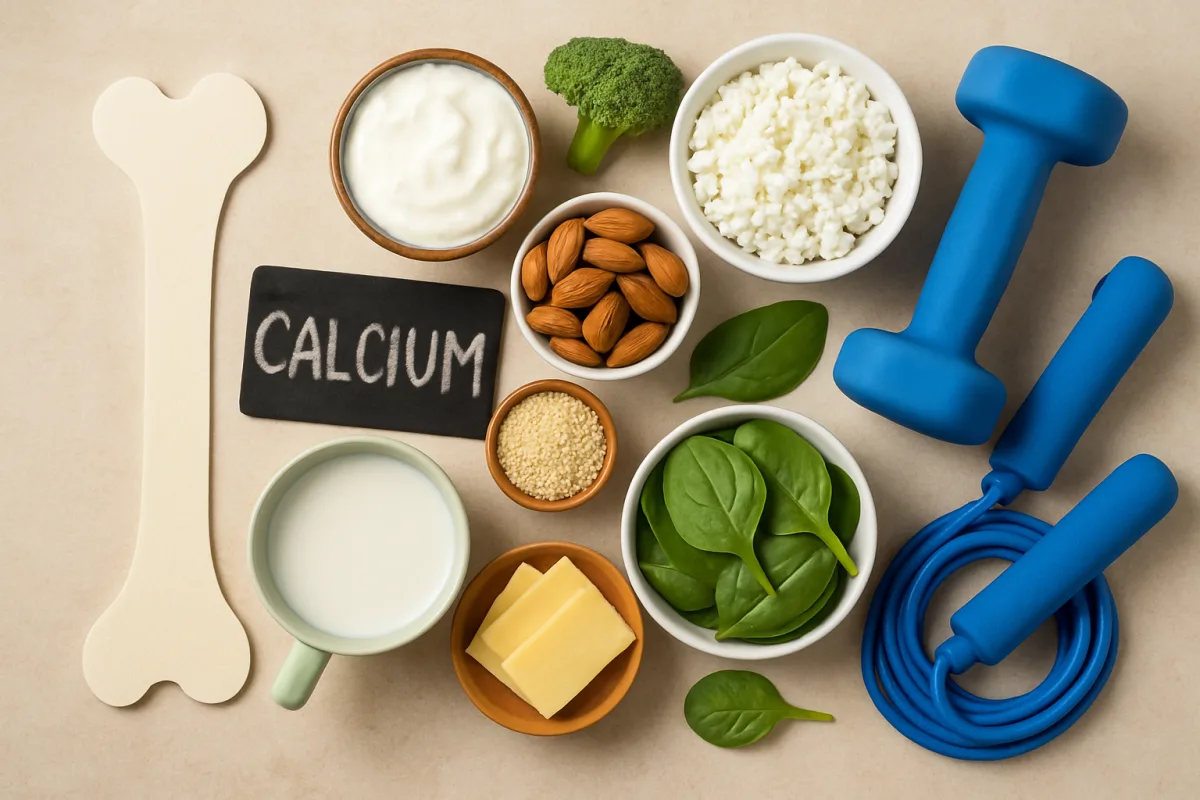
Bone density refers to the amount of mineral matter per square centimeter of bones, which is crucial for overall skeletal health. To protect and improve bone density, individuals can focus on a balanced diet rich in calcium and vitamin D, engage in weight-bearing exercises, and avoid smoking and excessive alcohol consumption. Regular screenings for bone density, especially for those at risk, can help in early detection and management of osteoporosis. Consulting healthcare professionals for personalized advice is also essential.
Quick Summary
Maintaining strong bone density is vital for preventing osteoporosis and fractures as we age. Key strategies include a diet high in calcium and vitamin D, regular physical activity, and avoiding harmful habits like smoking. Weight-bearing exercises, such as walking and resistance training, are particularly effective. Additionally, regular bone density screenings can help identify risks early. For anyone concerned about their bone health, consulting a healthcare provider for tailored recommendations is crucial.
Curator Notes
Bone density is a critical aspect of skeletal health, representing the strength and density of bones. As we age, bone density naturally decreases, which can lead to conditions like osteoporosis. This makes understanding how to protect and enhance bone density essential for long-term health.
A well-rounded approach that includes diet, exercise, and lifestyle changes can significantly impact bone health. A diet rich in calcium and vitamin D is foundational for maintaining bone density. Calcium is vital for bone formation, while vitamin D helps the body absorb calcium effectively.
Foods such as dairy products, leafy greens, and fortified foods are excellent sources of calcium. For vitamin D, sunlight exposure and foods like fatty fish and fortified cereals can be beneficial. Supplements may also be necessary for those who struggle to get enough from their diet.
Weight-bearing exercises play a crucial role in strengthening bones. Activities such as walking, jogging, and resistance training stimulate bone formation and help maintain bone density. It's essential to incorporate these exercises into your routine regularly.
However, individuals should consult with healthcare providers to tailor an exercise plan that considers their current health status and any existing conditions. Lifestyle choices significantly influence bone health as well. Smoking is known to weaken bones, while excessive alcohol consumption can interfere with calcium balance and bone formation.
Reducing or eliminating these habits can contribute to better bone density and overall health. Regular screenings for bone density, particularly for those at higher risk (such as postmenopausal women or individuals with a family history of osteoporosis), are crucial. These screenings can help detect low bone density early, allowing for timely intervention.
Healthcare professionals can provide personalized recommendations based on screening results and individual risk factors. In summary, protecting bone density involves a multifaceted approach that includes a nutritious diet, regular physical activity, and healthy lifestyle choices. By prioritizing these factors and seeking professional guidance, individuals can significantly improve their bone health and reduce the risk of osteoporosis as they age.
Recommended Options
- Nature Made Calcium Citrate: Best for Individuals needing extra calcium intake Easily absorbed and gentle on the stomach, making it suitable for those with digestive issues. Signal checked: Highly rated by users for effectiveness in improving bone health. Alternative to consider: Calcium Carbonate, which is more cost-effective but may cause digestive discomfort.
- Garden of Life Vitamin D3: Best for Individuals with limited sun exposure Whole food-based and organic, providing a natural source of vitamin D. Signal checked: Positive reviews for its effectiveness in boosting vitamin D levels. Alternative to consider: Synthetic Vitamin D supplements, which are often cheaper but may lack additional nutrients.
- TheraBand Resistance Bands: Best for Home workouts focused on strength training Signal checked: Widely recommended by fitness experts for bone-strengthening workouts. Alternative to consider: Dumbbells, which may offer more resistance but are less portable.
Best Sources
Videos and Community Signals
In this informative video, we delve into effective strategies to increase your bone density and promote overall bone health.
Dr. Jen Ashton answers viewers' health questions. SUBSCRIBE to GMA3's YouTube page: https://bit.ly/3kNlst8 VISIT GMA's ...
Comparison
| Decision Point | Good Starting Choice | When to Go Further |
|---|---|---|
| Dietary Sources of Calcium | Dairy products for easy access to calcium. | Leafy greens for additional nutrients and lower calories. |
| Type of Exercise | Walking for low-impact exercise. | Weightlifting for more significant bone density benefits. |
| Supplement Form | Calcium Carbonate for cost-effectiveness. | Calcium Citrate for better absorption. |
FAQ
Weight-bearing exercises such as walking, jogging, and resistance training are the best for improving bone density.
It's recommended to have a bone density test every 1-2 years, especially if you're at higher risk for osteoporosis.
Yes, it's possible to improve bone density at any age through diet, exercise, and lifestyle changes.