Glucosamine vs Collagen for Joints
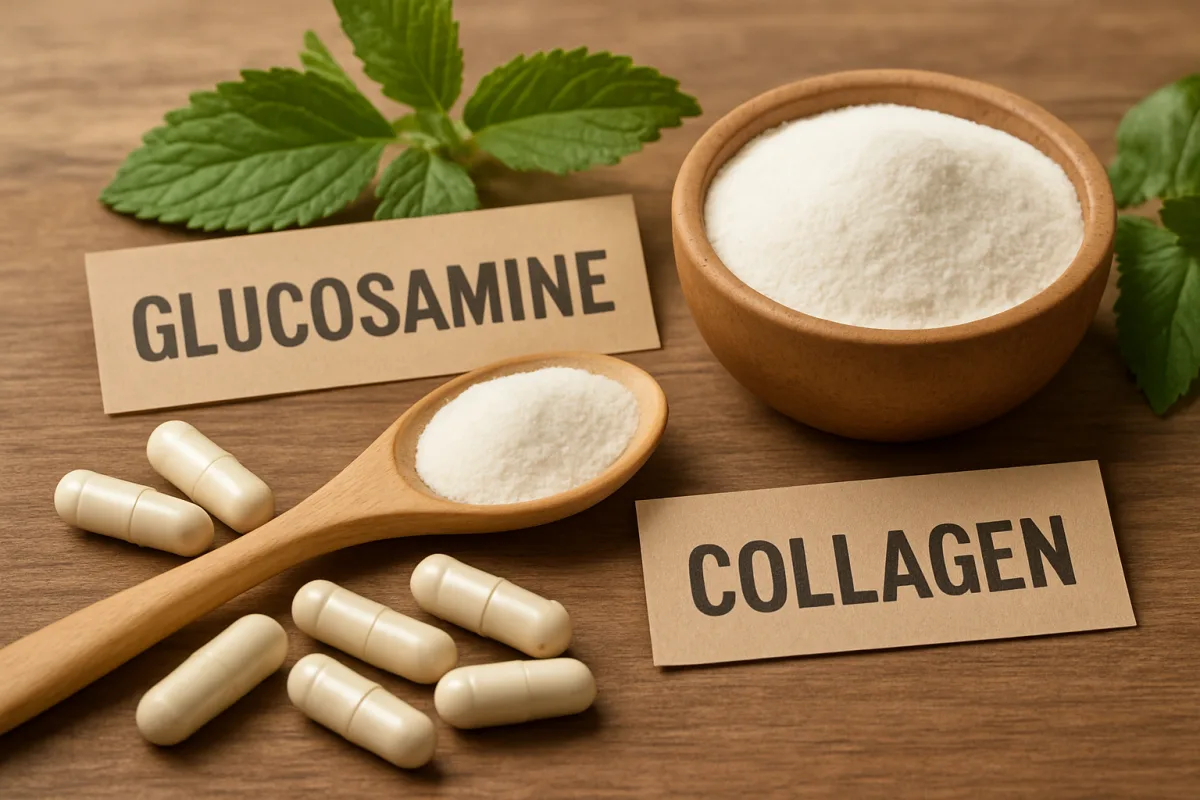
Glucosamine and collagen are both popular supplements for joint health, but they serve different purposes. Glucosamine is primarily used to support cartilage health and reduce joint pain, while collagen helps improve the overall structure of joints and may enhance flexibility. Choosing between them often depends on individual needs: glucosamine may be better for those specifically targeting cartilage repair, while collagen could be preferable for overall joint support and skin health. Consulting with a healthcare professional can provide personalized guidance based on specific joint issues.
Quick Summary
When considering joint health supplements, glucosamine and collagen are two leading options, each with unique benefits. Glucosamine is known for its role in cartilage repair and pain relief, making it ideal for those with osteoarthritis or joint discomfort. On the other hand, collagen supports overall joint structure and skin elasticity, appealing to those looking for broader benefits. Understanding the differences and potential benefits of each can help in making an informed choice tailored to individual health goals.
Curator Notes
Glucosamine is a naturally occurring compound found in cartilage. It's often taken as a supplement to help alleviate joint pain and improve mobility, particularly in individuals suffering from osteoarthritis. Research suggests that glucosamine may help slow the deterioration of cartilage and reduce inflammation, making it a go-to option for those specifically targeting joint pain relief.
However, the effectiveness can vary among individuals, and some may experience gastrointestinal side effects. It's crucial to consider these factors when deciding whether to incorporate glucosamine into your routine. Collagen, on the other hand, is a protein that forms the structural framework of joints, tendons, and ligaments.
As we age, collagen production decreases, which can lead to joint stiffness and pain. Collagen supplements, particularly type II collagen, are believed to support joint health by enhancing the integrity of cartilage and promoting overall joint function. Users often report improvements in joint flexibility and a reduction in pain, particularly when taken consistently over time.
One key difference between the two is their mechanism of action. Glucosamine primarily focuses on cartilage repair, while collagen contributes to the overall structure and elasticity of joints. This means that if your primary concern is cartilage health, glucosamine may be the better choice.
Conversely, if you're looking for a supplement that supports overall joint function and skin health, collagen could be more beneficial. When considering which supplement to take, it's also important to evaluate any existing health conditions or medications. For instance, glucosamine can interact with blood thinners, so consulting with a healthcare provider is advisable.
Additionally, some individuals may prefer a combined approach, taking both glucosamine and collagen to maximize joint health benefits. Cost can also be a factor; glucosamine supplements tend to be less expensive than collagen products. However, the price should be weighed against the potential benefits.
Some users find that collagen supplements, while pricier, offer a broader range of health benefits beyond just joint support, including improved skin elasticity and hydration. Ultimately, the choice between glucosamine and collagen should be guided by personal health goals, budget, and any medical advice received. Both supplements have their merits, and understanding their unique roles can help in making an informed decision for joint health.
Recommended Options
- Schiff Glucosamine Sulfate: Best for Individuals with osteoarthritis or joint pain Well-reviewed for its effectiveness in reducing joint pain and improving mobility. Signal checked: High customer ratings and numerous positive clinical studies. Alternative to consider: Glucosamine Chondroitin Complex for added benefits.
- Vital Proteins Collagen Peptides: Best for Those seeking overall joint and skin health Highly bioavailable and versatile, can be added to various foods and beverages. Signal checked: Popular among users for noticeable improvements in skin and joint health. Alternative to consider: Sports Research Collagen Peptides for a similar profile.
Best Sources
Videos and Community Signals
Dr. Christy continues her 2nd of 4 videos on collagen peptides. Today she will discuss whether collagen peptides improve joint ...
The surgeons discuss glucosamine and its use in the treatment of osteoarthritis. They review the literature and determine that ...
Comparison
| Decision Point | Good Starting Choice | When to Go Further |
|---|---|---|
| Targeted Joint Pain Relief | Glucosamine is often the first choice for direct pain relief. | For broader health benefits, consider collagen alongside glucosamine. |
| Overall Joint Structure Support | Collagen provides essential support for joint integrity. | Combining collagen with glucosamine may enhance overall joint health. |
| Cost Effectiveness | Glucosamine is typically more affordable. | Investing in collagen may yield additional benefits for skin and hair. |
FAQ
Yes, many people take both to maximize joint health benefits, but consult a healthcare provider first.
Results can vary, but many users report improvements within 4-8 weeks of consistent use.
Collagen is generally well-tolerated, but some may experience digestive discomfort.