Shopify vs WooCommerce Review
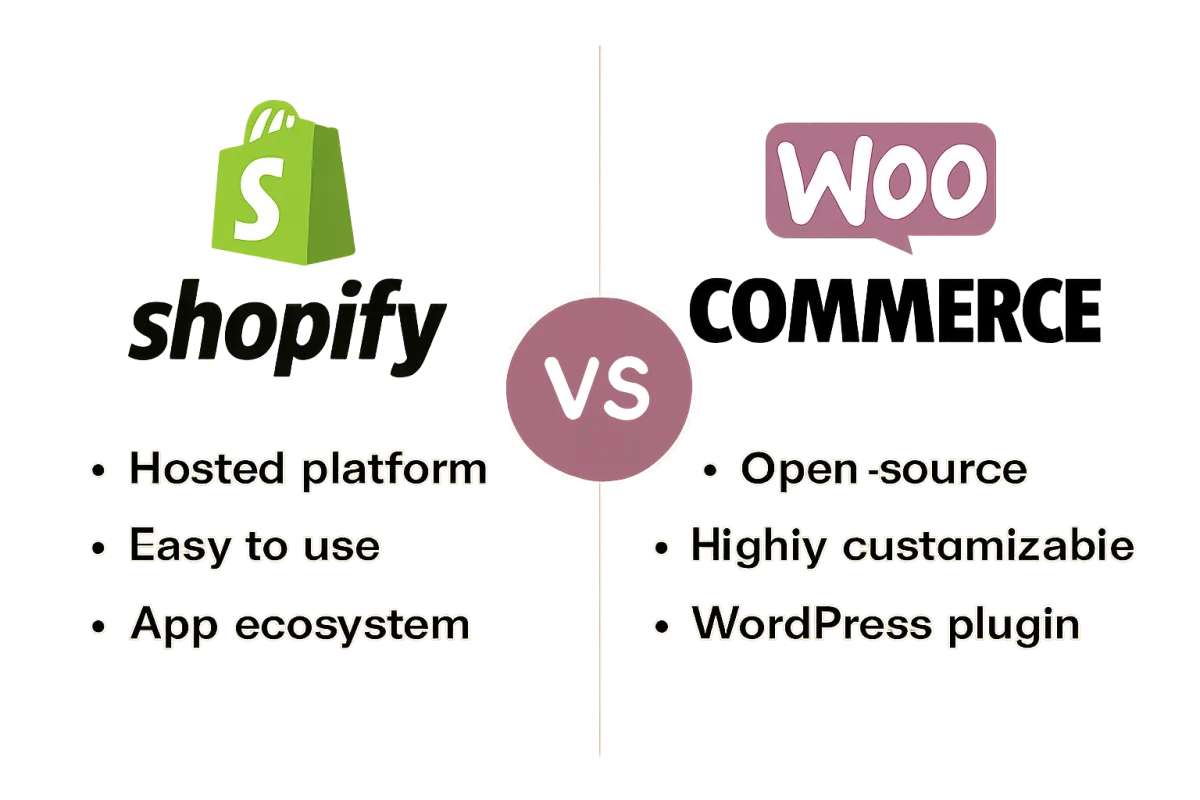
Shopify and WooCommerce are two leading e-commerce platforms, each catering to different needs. Shopify is a fully hosted solution ideal for users seeking ease of use and quick setup, while WooCommerce is a WordPress plugin that offers extensive customization for those comfortable with managing their own hosting. Shopify excels in providing a user-friendly interface and integrated payment processing, making it suitable for small to medium-sized businesses. In contrast, WooCommerce is better for those who want more control and flexibility over their online store's design and functionality, albeit with a steeper learning curve.
Quick Summary
Choosing between Shopify and WooCommerce depends on your specific e-commerce needs. Shopify is perfect for those who prioritize ease of use and quick setup, offering a comprehensive all-in-one solution. On the other hand, WooCommerce is ideal for users who seek extensive customization and control, especially if they are already familiar with WordPress. Both platforms have their strengths and weaknesses, making it essential to evaluate your business requirements before making a decision.
Curator Notes
Shopify is often favored for its simplicity and speed. It offers a fully hosted solution, which means you don't have to worry about server management or security updates. This makes it particularly appealing for small business owners who may not have technical expertise.
The platform provides a range of templates and built-in features, such as payment gateways and inventory management, allowing users to set up their stores quickly. However, this convenience comes at a cost, as Shopify charges monthly fees and transaction fees unless you use their payment processor. WooCommerce, on the other hand, is a plugin for WordPress, which means it requires a bit more technical know-how.
While it allows for extensive customization, users must handle their own hosting and security. This can be a barrier for those who are not tech-savvy. However, for those who are comfortable with WordPress, WooCommerce offers unparalleled flexibility in terms of design and functionality.
You can choose from thousands of themes and plugins to tailor your store to your exact needs. Another factor to consider is scalability. Shopify can handle growth seamlessly, making it easy to upgrade your plan as your business expands.
WooCommerce can also scale, but it may require additional plugins or hosting upgrades, which can complicate the process. Users should weigh the long-term implications of their choice, especially if they anticipate significant growth. Cost is another critical consideration.
Shopify has a straightforward pricing structure, but the monthly fees can add up, especially if you opt for premium features. WooCommerce is free to use, but users must pay for hosting, domain registration, and any premium plugins or themes they choose to implement. This can make WooCommerce more cost-effective in the long run, but it requires a more hands-on approach.
Customer support is a significant differentiator as well. Shopify offers 24/7 support, which is a considerable advantage for users who may encounter issues outside of regular business hours. WooCommerce relies on community support and documentation, which can be less reliable for urgent issues.
In summary, the choice between Shopify and WooCommerce boils down to your specific needs and technical comfort level. Shopify is excellent for those who want a hassle-free experience, while WooCommerce is better suited for users who desire control and customization. Understanding these nuances will help you make an informed decision that aligns with your business goals.
Recommended Options
- Shopify: Best for Users seeking an all-in-one e-commerce solution. User-friendly interface, built-in payment processing, and 24/7 support. Signal checked: Widely used by small to medium-sized businesses with positive reviews. Alternative to consider: BigCommerce for similar ease of use with slightly different features.
- WooCommerce: Best for Users comfortable with WordPress who want extensive customization. Highly customizable and free to use, with a vast array of plugins. Signal checked: Popular among developers and businesses looking for tailored solutions. Alternative to consider: Magento for larger enterprises needing advanced features.
Best Sources
Videos and Community Signals
I go over the PROS and CONS of Shopify vs. Woocommerce so you know exactly which one is right for you. I also share a ...
Shopify is great for quickly launching an online store on a budget. However, as your sales increase, you'll face higher credit card ...
Comparison
| Decision Point | Good Starting Choice | When to Go Further |
|---|---|---|
| Ease of Use | Shopify for quick setup and user-friendly interface. | WooCommerce for those comfortable with WordPress and seeking customization. |
| Cost | Shopify's transparent pricing with monthly fees. | WooCommerce's free plugin but requires hosting and additional costs. |
| Support | Shopify offers 24/7 customer support. | WooCommerce relies on community forums and documentation. |
| Scalability | Shopify scales easily with business growth. | WooCommerce can scale but may require additional resources. |
FAQ
Shopify is generally better for beginners due to its user-friendly interface and comprehensive support.
Yes, but it requires migrating your data, which can be complex depending on your store's size.
While the plugin itself is free, you will incur costs for hosting, domain, and any premium features.
Shopify has built-in payment processing, while WooCommerce supports various gateways through plugins.