E-commerce Profit Margins Guide
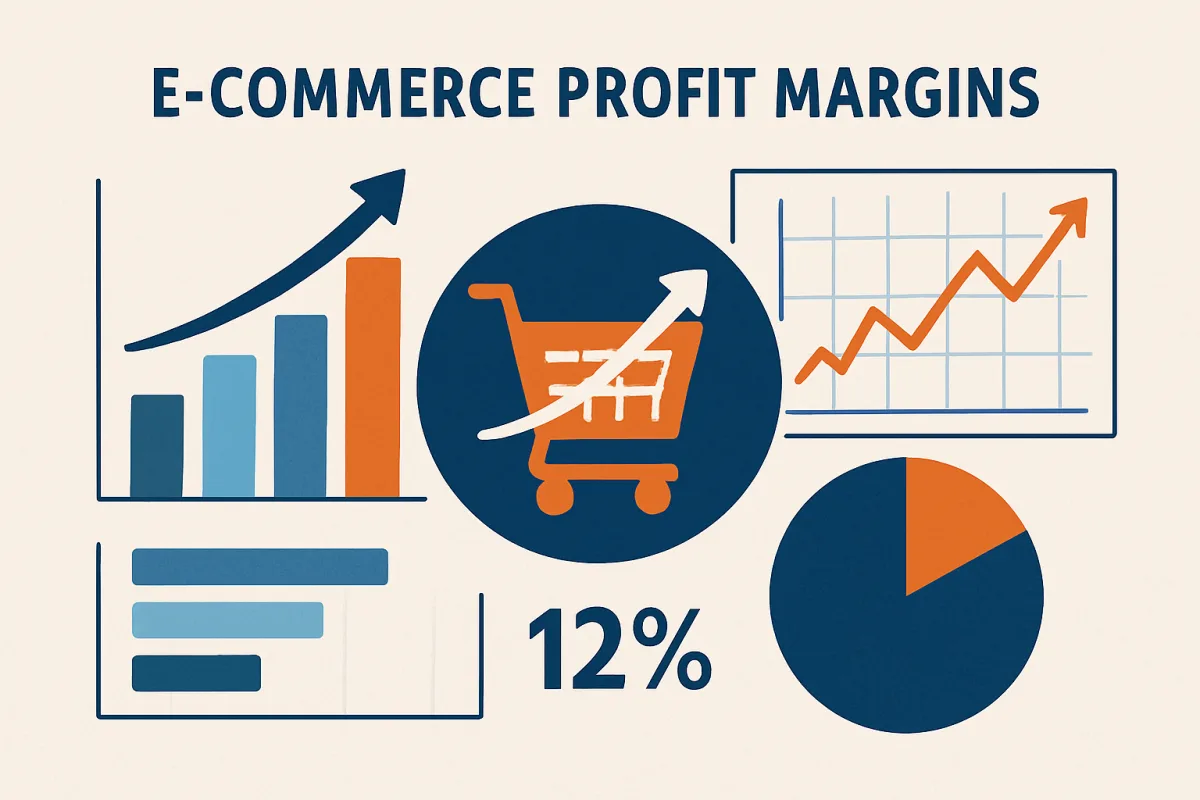
E-commerce profit margins vary widely based on the type of products sold, operational costs, and pricing strategies. Generally, margins can range from 10% to 40% or more. High-margin products, like digital goods, often yield better profits compared to physical goods, which may incur shipping and storage costs. Understanding your specific niche and calculating your costs accurately is crucial for setting competitive prices while ensuring profitability.
Quick Summary
Profit margins in e-commerce are critical for sustainability and growth. They typically range from 10% to 40%, influenced by product type and operational costs. Digital products often offer higher margins than physical goods due to lower overhead. To maximize profits, businesses must analyze their costs, pricing strategies, and market conditions. This guide provides insights into understanding and optimizing e-commerce profit margins effectively.
Curator Notes
E-commerce profit margins are a vital metric for any online business, reflecting the difference between sales revenue and the costs associated with selling products. These margins can vary significantly depending on several factors, including product type, market demand, and operational efficiency. For instance, digital products like e-books or software typically have much higher profit margins than physical goods due to lower overhead costs, such as shipping and storage.
Businesses selling physical products often see margins ranging from 10% to 30%, depending on their niche and pricing strategies. Understanding your cost structure is essential for setting competitive prices. This includes direct costs like manufacturing or purchasing products, as well as indirect costs such as marketing, shipping, and overhead.
Many e-commerce businesses overlook these indirect costs, which can erode profit margins if not accounted for. Regularly reviewing and adjusting your pricing strategy based on market conditions and competitor pricing can also help maintain healthy margins. Another important aspect is the impact of customer acquisition costs (CAC).
High CAC can significantly reduce profit margins, especially for businesses relying heavily on paid advertising. Focusing on organic growth strategies, such as content marketing and social media engagement, can help lower these costs and improve overall profitability. Additionally, inventory management plays a crucial role in maintaining profit margins.
Excess inventory can lead to increased storage costs and potential markdowns, while stockouts can result in lost sales. Implementing effective inventory management systems can help balance these risks and optimize margins. E-commerce businesses should also consider the implications of returns and refunds, which can further impact profit margins.
Establishing clear return policies and ensuring product quality can help minimize these occurrences. Furthermore, offering excellent customer service can enhance customer loyalty, leading to repeat purchases and improved margins over time. Lastly, leveraging technology and analytics can provide valuable insights into customer behavior and market trends, allowing businesses to make informed decisions that positively affect profit margins.
Tools that track sales performance and customer preferences can help identify high-margin products and optimize inventory accordingly. In summary, e-commerce profit margins are influenced by a myriad of factors, from product type to operational efficiency. By understanding these dynamics and implementing strategic measures, businesses can enhance their profitability and ensure long-term success in the competitive e-commerce landscape.
Recommended Options
- Shopify: Best for Small to medium-sized e-commerce businesses User-friendly interface with robust features for managing sales and inventory. Signal checked: Widely used by over a million businesses, with high customer satisfaction ratings. Alternative to consider: WooCommerce for WordPress users.
- BigCommerce: Best for Businesses looking for scalability and advanced features. Offers extensive built-in features and no transaction fees. Signal checked: Ranked highly for its performance and flexibility in various reviews. Alternative to consider: Magento for larger enterprises.
- QuickBooks: Best for E-commerce businesses needing robust accounting solutions. Integrates seamlessly with e-commerce platforms for financial tracking. Signal checked: Trusted by millions for its comprehensive accounting features. Alternative to consider: FreshBooks for simpler invoicing needs.
Best Sources
Videos and Community Signals
Are you curious about ecommerce profits? In this video, we'll show you how much an ecommerce business actually makes, based ...
Here's how to Calculate Your Profit Margin in 2 Minutes (E-Commerce focused). This method can be used on Amazon FBA, eBay, ...
Comparison
| Decision Point | Good Starting Choice | When to Go Further |
|---|---|---|
| Product Type | Physical goods with moderate margins (10-30%) | Digital goods with high margins (30-70%) |
| Cost Structure | Basic accounting for direct costs | Comprehensive analysis including indirect costs and CAC |
| Inventory Management | Basic stock tracking | Advanced inventory systems with predictive analytics |
FAQ
A good profit margin typically ranges from 10% to 40%, depending on the product type and market conditions.
You can improve margins by analyzing costs, optimizing pricing strategies, managing inventory effectively, and reducing customer acquisition costs.