OKRs for Startups Explained
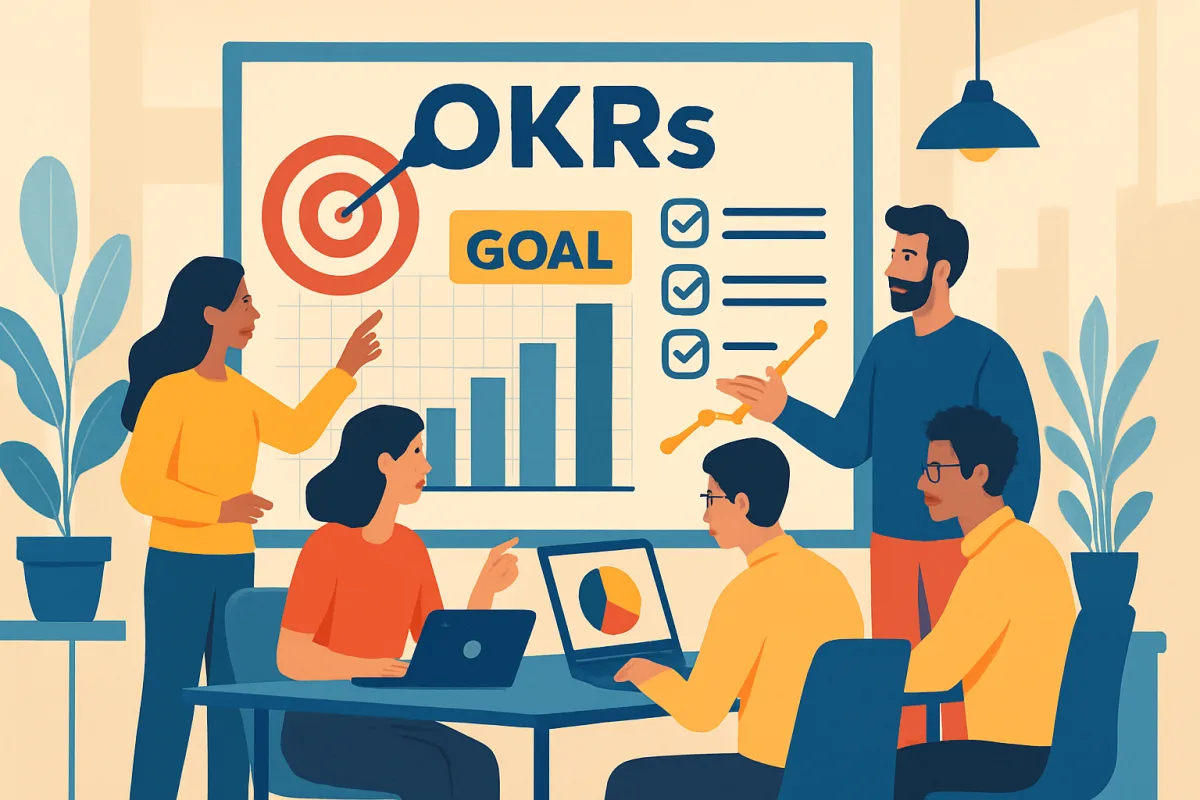
OKRs, or Objectives and Key Results, are a goal-setting framework that can significantly benefit startups by aligning team efforts with strategic objectives. This methodology emphasizes measurable outcomes, fostering accountability and transparency within teams. Startups can implement OKRs to clarify their vision, prioritize initiatives, and track progress effectively, making it easier to pivot when necessary.
Quick Summary
OKRs for startups provide a structured approach to goal-setting that enhances alignment and accountability. By defining clear objectives and measurable key results, startups can ensure that all team members work towards common goals, facilitating better decision-making and adaptability in a fast-paced environment.
Curator Notes
OKRs (Objectives and Key Results) are increasingly popular among startups as they provide a clear framework for setting and tracking goals. By defining specific objectives and measurable key results, startups can ensure that everyone is aligned and working towards the same vision. This alignment is crucial in a startup environment, where resources are often limited and priorities can shift rapidly.
Implementing OKRs involves setting quarterly objectives that are ambitious yet achievable, along with key results that are quantifiable. This approach not only fosters accountability among team members but also encourages transparency, as progress can be easily tracked and communicated. Startups can benefit from this framework by being able to pivot quickly based on performance metrics, ensuring that they remain agile in a competitive landscape.
Moreover, the iterative nature of OKRs allows startups to learn from their successes and failures, refining their goals over time. By regularly reviewing and adjusting their OKRs, teams can stay focused on what truly matters, driving growth and innovation effectively.
Best Sources
Videos and Community Signals
Introducing "OKRs Explained" by John Doerr, author of "Measure What Matters." Explore how Objectives and Key Results help ...
OKRs or Objectives are perhaps the most effective way to set the right goals. There are plenty of goal setting frameworks out there, ...
Comparison
| Decision Point | Good Starting Choice | When to Go Further |
|---|---|---|
| Objective Setting | Focus on 1-3 high-impact objectives per quarter. | Incorporate cross-departmental objectives for broader alignment. |
| Key Results Measurement | Use simple metrics to track progress. | Implement advanced analytics for deeper insights. |
| Review Frequency | Conduct monthly check-ins to assess progress. | Adopt a bi-weekly review cycle for agile adjustments. |
FAQ
OKRs help startups align their team efforts, foster accountability, and enable quick pivots based on measurable outcomes.
It's recommended to review OKRs monthly, but bi-weekly reviews can enhance agility and responsiveness.
Yes, OKRs can and should be adjusted based on performance and changing priorities.