How to Track Content Performance
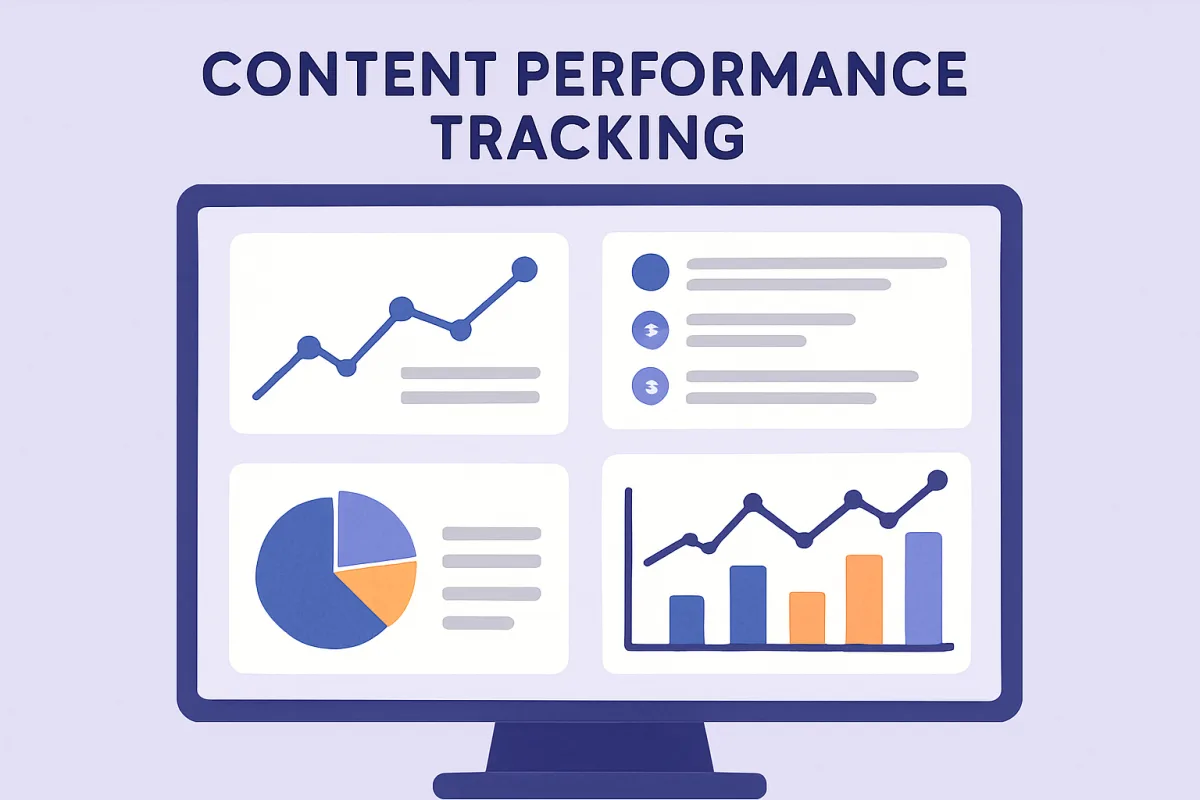
Tracking content performance involves analyzing metrics that reflect how well your content engages your audience. Key performance indicators (KPIs) such as page views, time on page, bounce rate, and conversion rates provide insights into user behavior. Tools like Google Analytics, SEMrush, and HubSpot can help you gather and interpret this data. Regularly reviewing these metrics allows you to refine your content strategy and improve future performance.
Quick Summary
Understanding how to track content performance is crucial for creators aiming to optimize their work. By focusing on key metrics like engagement rates, traffic sources, and user behavior, you can gain valuable insights into what resonates with your audience. Tools such as Google Analytics and social media insights provide the data needed to make informed decisions. This guide will help you navigate the essential steps and tools for effective content performance tracking.
Curator Notes
Tracking content performance is essential for anyone looking to optimize their digital presence. The first step is identifying the key performance indicators (KPIs) that matter most to your goals. Common KPIs include page views, unique visitors, average time on page, bounce rate, and conversion rates.
Each of these metrics provides a different perspective on how your content is performing and how it is received by your audience. Google Analytics is one of the most widely used tools for tracking these metrics. It offers a comprehensive dashboard that allows you to see real-time data about your content's performance.
You can segment your audience by demographics, behavior, and traffic sources, which helps in understanding who is engaging with your content and how. Social media platforms also provide valuable insights. For instance, Facebook Insights and Twitter Analytics can show you how your posts are performing in terms of reach and engagement.
These metrics can help you adjust your content strategy to better align with the preferences of your audience. Another important aspect of tracking performance is setting up goals and conversions. This involves defining what success looks like for your content.
Whether it's signing up for a newsletter, downloading a resource, or making a purchase, tracking these conversions can provide a clearer picture of your content's effectiveness. Regularly reviewing your performance data is crucial. This allows you to identify trends over time and make data-driven decisions.
For example, if you notice a high bounce rate on certain pages, it may indicate that the content isn't meeting user expectations, prompting you to revise it. Lastly, consider using A/B testing to refine your content further. By testing different headlines, images, or calls to action, you can determine which elements resonate best with your audience.
This iterative approach to content creation can significantly enhance your overall performance. In summary, effective tracking of content performance requires a combination of the right tools, clear goal-setting, and ongoing analysis. By focusing on the metrics that matter and being willing to adapt your strategy based on data, you can significantly improve your content's impact and reach.
Recommended Options
- Google Analytics: Best for Website performance tracking Comprehensive data analysis and real-time tracking. Signal checked: Widely used with extensive documentation and community support. Alternative to consider: Matomo for privacy-focused tracking.
- SEMrush: Best for SEO and content marketing insights Offers in-depth keyword analysis and competitor tracking. Signal checked: Popular among digital marketers for its robust features. Alternative to consider: Ahrefs for backlink analysis.
- HubSpot: Best for Inbound marketing and analytics Integrates marketing, sales, and service tools in one platform. Signal checked: High user satisfaction and extensive training resources. Alternative to consider: Mailchimp for email-focused analytics.
Best Sources
Videos and Community Signals
Platforms and Culture aka "PAC" will change your social media game in 2023. Whether you're a business owner marketing a ...
Follow me on Instagram - https://www.instagram.com/grauegrowth/ Most creators are tracking the wrong metrics. Over the last 10+ ...
Comparison
| Decision Point | Good Starting Choice | When to Go Further |
|---|---|---|
| Ease of Use | Google Analytics for straightforward website tracking. | SEMrush for advanced SEO insights and competitor analysis. |
| Data Depth | HubSpot for integrated marketing analytics. | SEMrush for in-depth keyword and backlink analysis. |
FAQ
Key metrics include page views, bounce rate, average time on page, and conversion rates.
Regular reviews, ideally monthly, help identify trends and inform adjustments.
Yes, platforms like Facebook and Twitter provide analytics tools for tracking engagement.