Montessori Method Explained Simply
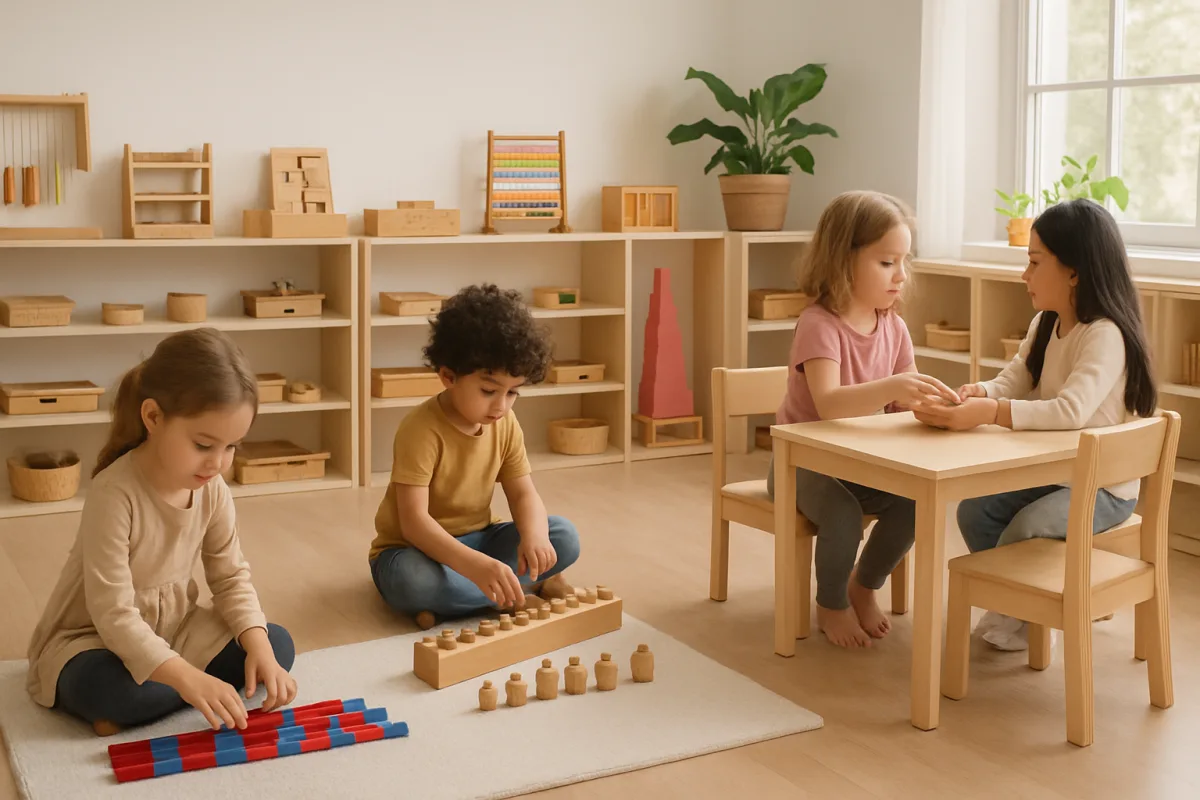
The Montessori Method is an educational approach developed by Dr. Maria Montessori, emphasizing child-led learning and hands-on activities. It fosters independence, critical thinking, and a love for learning. This method is characterized by mixed-age classrooms, specially designed materials, and a focus on social and emotional development alongside academic skills. It is widely used in preschools and elementary schools around the world, promoting a holistic approach to education.
Quick Summary
The Montessori Method is an innovative educational philosophy that prioritizes child-led learning and hands-on experiences. Developed by Dr. Maria Montessori, it encourages independence and critical thinking through a carefully prepared environment. This approach is widely adopted in early childhood education, fostering not just academic skills but also social and emotional growth.
Curator Notes
The Montessori Method, founded by Dr. Maria Montessori in the early 20th century, is rooted in the belief that children learn best when they are free to explore their interests in a structured environment. This method emphasizes hands-on learning, allowing children to engage with materials that promote critical thinking and problem-solving skills.
The classroom setup typically includes mixed-age groups, which encourages peer learning and social interaction. One of the key features of the Montessori Method is the use of specially designed educational materials that are accessible to children. These materials are intended to be self-correcting, enabling children to learn through trial and error.
Additionally, teachers in Montessori settings act as guides rather than traditional instructors, fostering an atmosphere of independence and self-discovery. This holistic approach not only focuses on academic skills but also nurtures emotional and social development, preparing children for lifelong learning.
Best Sources
Videos and Community Signals
Answering the question "What is Montessori?" Video by Jesse McCarthy | https://www.montessorieducation.com | References.
Through careful observation of how children work and interact, Maria Montessori developed the Montessori Method more than ...
Comparison
| Decision Point | Good Starting Choice | When to Go Further |
|---|---|---|
| Online booking | A simple booking page with service duration, staff assignment and confirmation emails. | Multi-location calendars, deposits, cancellation rules and waitlist handling. |
| Client records | Basic notes, visit history and contact details are enough to start. | Segmentation, purchase history, memberships, forms and before-after notes become more important. |
| Reminders | SMS or email reminders help reduce no-shows without adding admin work. | Automated rebooking, follow-up campaigns and missed-appointment recovery matter more. |
| Payments | Card capture and checkout should be simple and transparent. | Packages, memberships, staff commissions, tips and refunds need cleaner reporting. |
| Marketing | Light email or SMS campaigns are useful if they are easy to run. | Automated win-back, birthday offers, review requests and audience segments create more leverage. |
FAQ
The Montessori Method is primarily designed for children aged 2.5 to 12 years, covering preschool and elementary education.
Unlike traditional education, which often follows a rigid curriculum, the Montessori Method emphasizes child-led learning, allowing students to progress at their own pace.
Some critics argue that the Montessori Method may not adequately prepare children for standardized testing and traditional school environments.