Alcohol and Weight Loss Explained
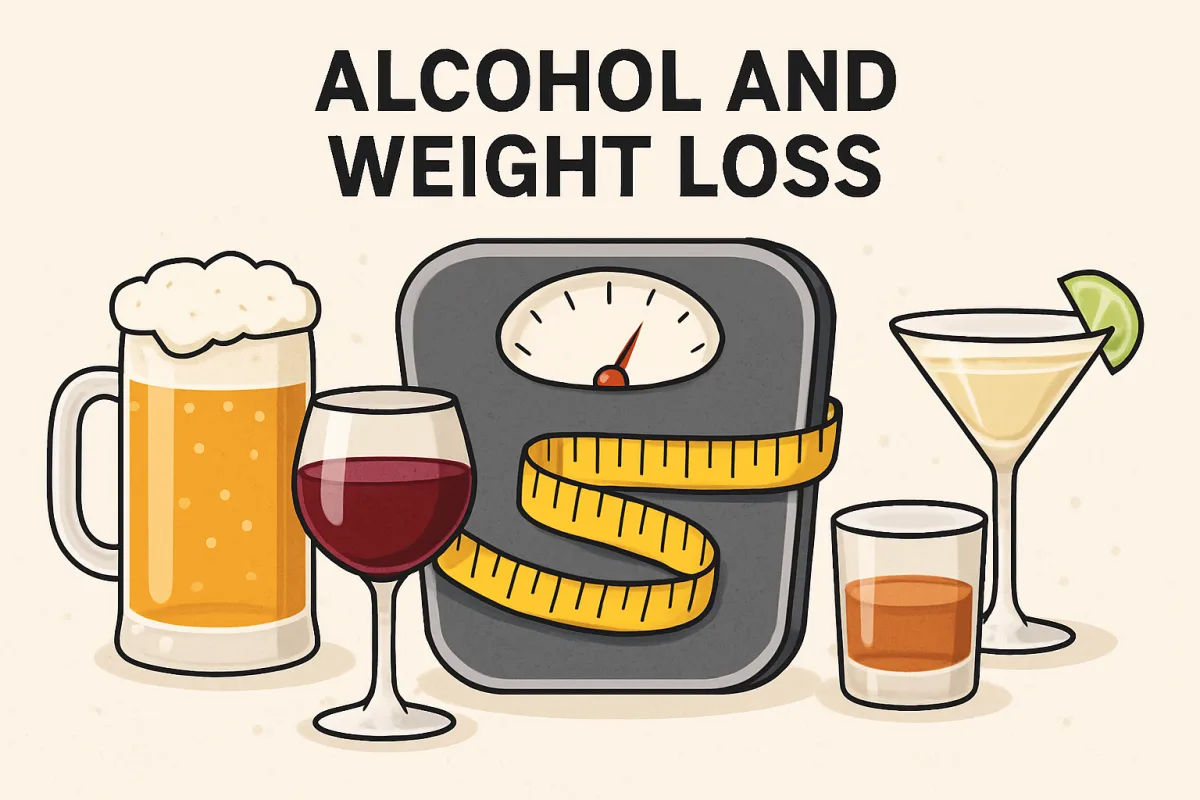
Understanding the relationship between alcohol and weight loss is crucial for those looking to manage their weight. Alcohol can contribute to weight gain due to its high caloric content and its effects on metabolism. While moderate consumption may not significantly hinder weight loss efforts, excessive drinking can lead to increased fat storage and cravings for unhealthy foods. Balancing alcohol intake with a healthy diet and exercise is essential for effective weight management.
Quick Summary
Alcohol can impact weight loss efforts due to its high calorie content and metabolic effects. While moderation is key, excessive consumption can lead to weight gain and hinder progress. Understanding these dynamics can help individuals make informed choices about alcohol consumption in relation to their weight loss goals.
Curator Notes
Alcohol contains empty calories, meaning it provides energy without essential nutrients. A standard drink can range from 100 to 300 calories, depending on the type and serving size. When consumed, the body prioritizes metabolizing alcohol over other nutrients, which can slow down fat burning and lead to increased fat storage.
This metabolic shift can make it harder to lose weight, especially if alcohol is consumed in large quantities. Moreover, alcohol can stimulate appetite and lower inhibitions, often leading to poor food choices. Many people may find themselves snacking on high-calorie foods while drinking, further complicating weight loss efforts.
Therefore, understanding how alcohol affects your body and making conscious choices about consumption can play a significant role in achieving weight loss goals. Moderation and mindful drinking can help mitigate these effects, allowing for a more balanced approach to weight management.
Best Sources
Videos and Community Signals
If you're trying to lose weight but still drinking regularly, this might be the missing piece. In this video, I'm sharing the honest truth ...
Do you ever wonder why drinking alcohol regularly makes it difficult to lose weight? It's not just about empty calories, making us ...
Comparison
| Decision Point | Good Starting Choice | When to Go Further |
|---|---|---|
| Online booking | A simple booking page with service duration, staff assignment and confirmation emails. | Multi-location calendars, deposits, cancellation rules and waitlist handling. |
| Client records | Basic notes, visit history and contact details are enough to start. | Segmentation, purchase history, memberships, forms and before-after notes become more important. |
| Reminders | SMS or email reminders help reduce no-shows without adding admin work. | Automated rebooking, follow-up campaigns and missed-appointment recovery matter more. |
| Payments | Card capture and checkout should be simple and transparent. | Packages, memberships, staff commissions, tips and refunds need cleaner reporting. |
| Marketing | Light email or SMS campaigns are useful if they are easy to run. | Automated win-back, birthday offers, review requests and audience segments create more leverage. |
FAQ
Yes, but moderation is key. Limit intake to avoid excess calories and poor food choices.
Light beers, dry wines, and spirits mixed with low-calorie mixers are generally lower in calories.
Yes, alcohol can slow down metabolism as the body prioritizes metabolizing alcohol over other nutrients.