How Fiber Helps With Weight Loss
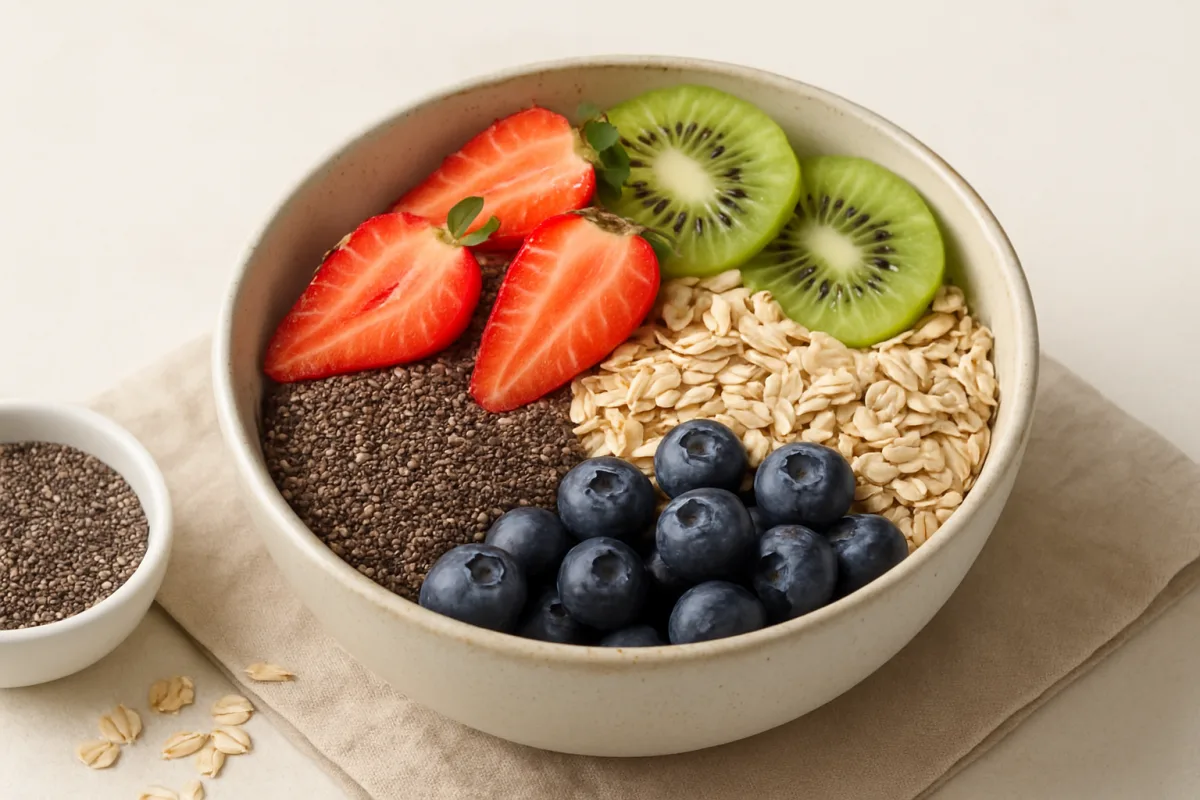
Fiber plays a crucial role in weight loss by enhancing satiety, regulating blood sugar levels, and promoting digestive health. High-fiber foods, such as fruits, vegetables, whole grains, and legumes, help you feel full longer, reducing overall calorie intake. Additionally, fiber slows the absorption of sugar, preventing spikes in blood glucose that can lead to cravings. Incorporating fiber into your diet can be an effective strategy for sustainable weight management.
Quick Summary
Fiber is essential for weight loss as it increases feelings of fullness, stabilizes blood sugar, and supports digestive health. Foods high in fiber, like fruits, vegetables, and whole grains, can help reduce calorie intake and promote a healthier weight.
Curator Notes
Fiber is a type of carbohydrate that the body cannot digest, making it a unique nutrient in weight loss strategies. It comes in two forms: soluble and insoluble. Soluble fiber dissolves in water and can help lower blood cholesterol and glucose levels, while insoluble fiber aids in digestion and helps prevent constipation.
Both types contribute to a feeling of fullness, which can lead to reduced calorie consumption overall. Incorporating fiber-rich foods into your diet can be simple and enjoyable. Foods such as beans, lentils, whole grains, fruits, and vegetables are excellent sources of fiber.
Not only do they provide essential nutrients, but they also take longer to chew and digest, which can help you feel satisfied for longer periods. This satiety can be particularly beneficial for those looking to manage their weight effectively. Moreover, fiber can help regulate blood sugar levels, which is crucial for preventing hunger pangs and cravings.
By slowing down the digestion process, fiber helps maintain steady energy levels throughout the day. This makes it easier to resist unhealthy snacks and maintain a balanced diet, ultimately supporting weight loss efforts.
Recommended Options
- Oats: Best for Breakfast or snacks Oats are high in soluble fiber, which helps lower cholesterol and keeps you full. Signal checked: Widely recommended by nutritionists and featured in numerous weight loss diets. Alternative to consider: Quinoa, which is also high in fiber and protein.
- Chia Seeds: Best for Smoothies and puddings Chia seeds expand in water, providing a feeling of fullness and are rich in omega-3 fatty acids. Signal checked: Popular among health enthusiasts and often recommended for weight loss. Alternative to consider: Flaxseeds, which offer similar benefits.
- Black Beans: Best for Salads and main dishes High in fiber and protein, black beans help keep you satiated and are versatile in meals. Signal checked: Regularly included in healthy eating plans and weight loss recipes. Alternative to consider: Lentils, which are also nutrient-dense and filling.
Best Sources
Videos and Community Signals
The Doctors welcome registered dietitian and creator of The F-Factor Diet Tanya Zuckerbrot to share how adding more fiber to ...
High Fiber Foods For Weight Loss | How Much Fiber Per Day In this video I'm explaining the benefits of fiber and how dietary fiber ...
Comparison
| Decision Point | Good Starting Choice | When to Go Further |
|---|---|---|
| Type of Fiber | Focus on soluble fiber for immediate satiety. | Incorporate both soluble and insoluble fiber for overall digestive health. |
| Food Sources | Start with fruits and vegetables. | Add whole grains and legumes for a balanced approach. |
| Meal Timing | Include fiber in breakfast to curb hunger. | Distribute fiber intake throughout the day for sustained fullness. |
FAQ
The recommended daily intake is about 25 grams for women and 38 grams for men, but individual needs may vary.
Yes, excessive fiber can lead to digestive issues such as bloating and gas. It's important to increase fiber intake gradually.
Incorporate snacks like nuts, seeds, or whole-grain crackers, and add vegetables to your meals.