Zinc and Immune Function Explained
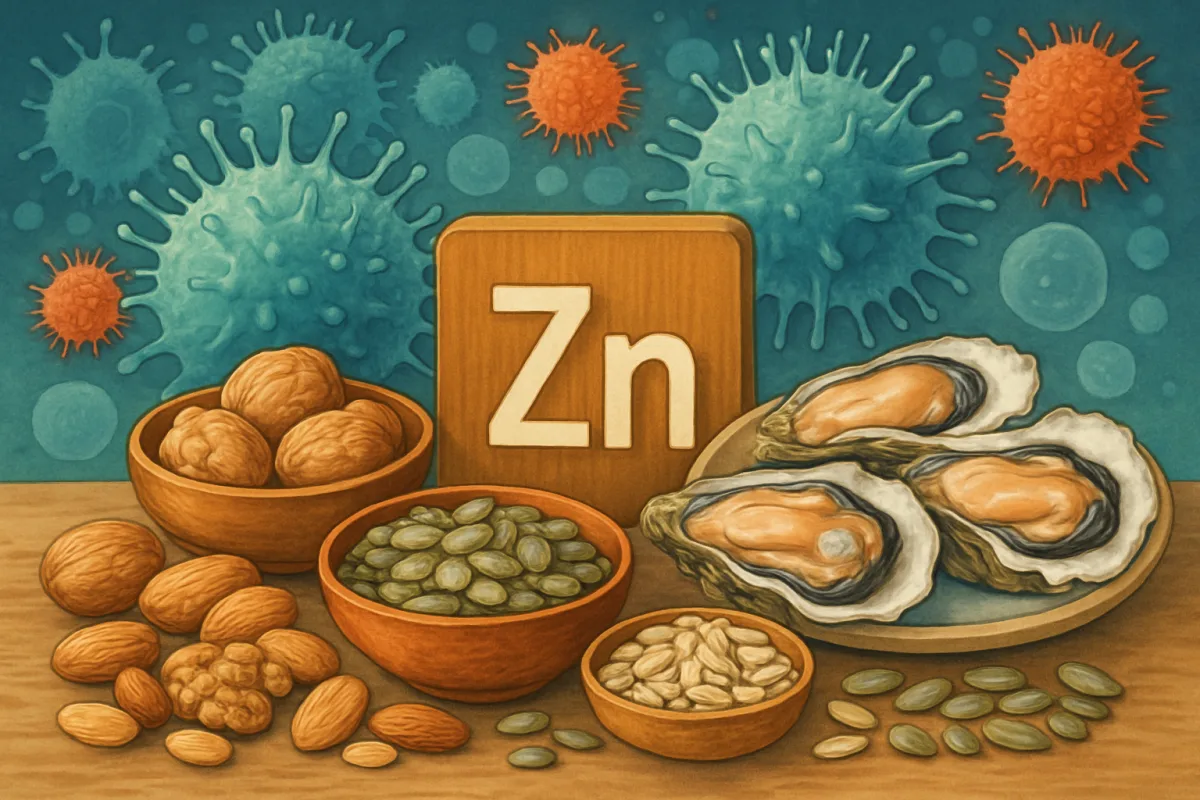
Zinc plays a crucial role in immune function by supporting the development and activation of immune cells. It is essential for the normal functioning of neutrophils and natural killer cells, which are vital for the body's defense against pathogens. Zinc deficiency can lead to a weakened immune response, increasing susceptibility to infections. Supplementation may be beneficial, especially in populations at risk of deficiency, such as the elderly or those with chronic illnesses. However, excessive zinc intake can cause adverse effects, so moderation is key.
Quick Summary
Understanding the role of zinc in immune function is vital for maintaining health. Zinc is integral to the immune system, aiding in the development of immune cells and enhancing their activity. A deficiency can compromise immune responses, making individuals more prone to infections. While supplementation can be beneficial, particularly for those at risk of deficiency, it's important to balance intake to avoid toxicity. This nuanced relationship highlights the importance of adequate zinc levels for optimal immune health.
Curator Notes
Zinc is a trace mineral that is pivotal for various biological functions, particularly in the immune system. It is involved in the development and function of immune cells such as T lymphocytes and macrophages. These cells are essential for orchestrating the body's response to pathogens, making zinc a critical nutrient for immune health.
Research indicates that zinc deficiency can impair immune function, leading to increased susceptibility to infections. This is particularly concerning for vulnerable populations, including the elderly and individuals with chronic diseases. Studies have shown that zinc supplementation can enhance immune responses and reduce the duration of respiratory infections, underscoring its importance in immune support.
However, it's essential to approach zinc supplementation with caution. While adequate zinc intake is crucial, excessive amounts can lead to toxicity, resulting in symptoms such as nausea, vomiting, and interference with the absorption of other essential minerals like copper. Therefore, understanding the right dosage is vital for those considering supplementation.
Dietary sources of zinc include meat, shellfish, legumes, seeds, nuts, dairy, and whole grains. For most individuals, a balanced diet can provide sufficient zinc. However, those with dietary restrictions or absorption issues may need to consider supplements.
It's advisable to consult with a healthcare professional before starting any supplementation regimen. The relationship between zinc and immune function is complex and influenced by various factors, including age, health status, and dietary habits. For example, older adults may have a higher risk of zinc deficiency due to decreased dietary intake and absorption.
Therefore, monitoring zinc levels in these populations is crucial for maintaining immune health. In summary, zinc is a vital nutrient for immune function, and maintaining adequate levels is essential for overall health. While supplementation can be beneficial for certain groups, it should be approached with care to avoid potential adverse effects.
A well-rounded diet is the best strategy for most individuals to ensure sufficient zinc intake. Future research may further clarify the optimal levels of zinc for immune support and the potential benefits of supplementation in various populations. As our understanding of zinc's role in health evolves, it will be important to stay informed about dietary recommendations and supplementation guidelines.
Best Sources
Videos and Community Signals
Zinc is a vital mineral that plays a crucial role in various bodily functions, from supporting immune health to promoting wound ...
Complete Your CME Credits with Dr. A: https://www.consultdranderson.com This video delves into the health benefits of zinc, ...
Comparison
| Decision Point | Good Starting Choice | When to Go Further |
|---|---|---|
| Online booking | A simple booking page with service duration, staff assignment and confirmation emails. | Multi-location calendars, deposits, cancellation rules and waitlist handling. |
| Client records | Basic notes, visit history and contact details are enough to start. | Segmentation, purchase history, memberships, forms and before-after notes become more important. |
| Reminders | SMS or email reminders help reduce no-shows without adding admin work. | Automated rebooking, follow-up campaigns and missed-appointment recovery matter more. |
| Payments | Card capture and checkout should be simple and transparent. | Packages, memberships, staff commissions, tips and refunds need cleaner reporting. |
| Marketing | Light email or SMS campaigns are useful if they are easy to run. | Automated win-back, birthday offers, review requests and audience segments create more leverage. |
FAQ
Zinc is essential for the development and function of immune cells, helping to enhance the body's defense against infections.
Yes, zinc supplements can improve immune function, especially in individuals who are deficient in zinc.
Symptoms of zinc deficiency include weakened immune response, hair loss, diarrhea, and delayed wound healing.
While zinc supplements can be beneficial, excessive intake can lead to toxicity. It's important to follow recommended dosages.