Eat Healthy On A Budget Plan
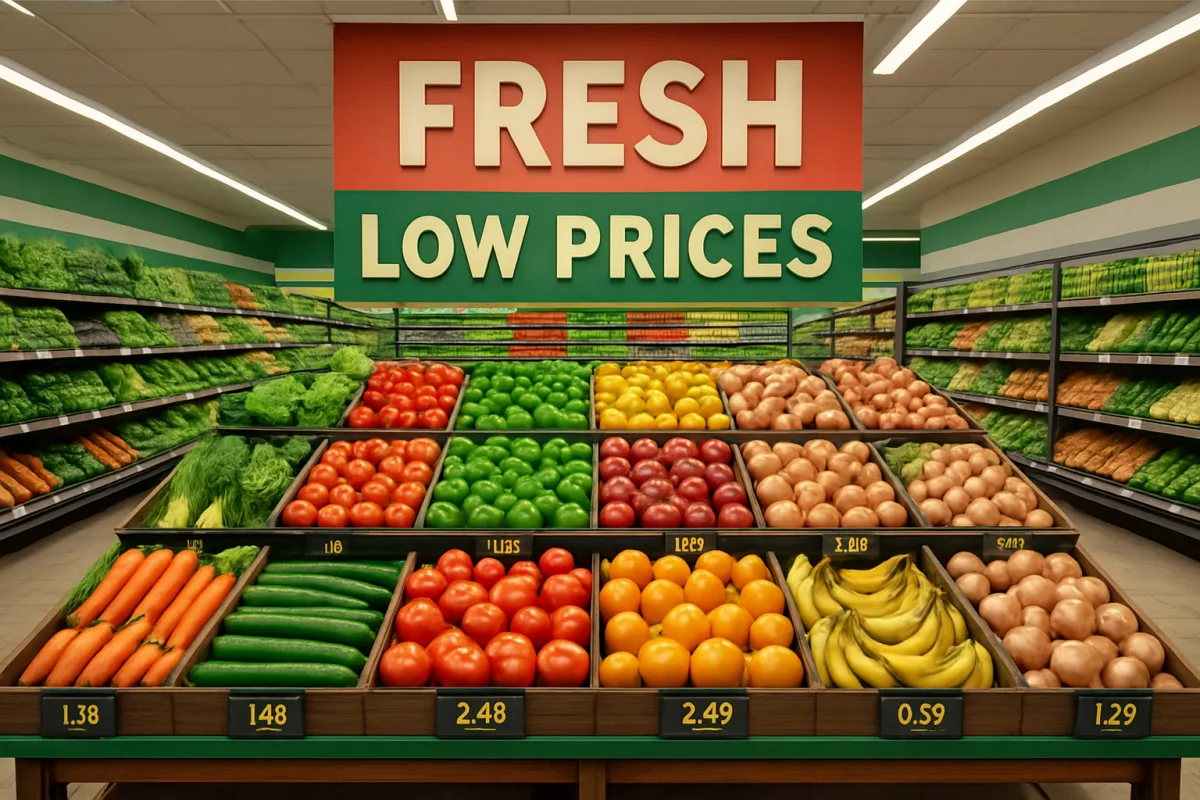
Eating healthy on a budget is achievable with strategic planning and smart shopping. Start by creating a meal plan that focuses on whole foods like fruits, vegetables, whole grains, and lean proteins. Buy seasonal produce and consider frozen options, which are often cheaper and just as nutritious. Utilize bulk bins for grains and legumes to save money. Cooking at home rather than dining out can significantly reduce costs while allowing you to control ingredients. Lastly, keep an eye out for sales and use coupons to maximize your savings.
Quick Summary
Eating healthy on a budget doesn't have to be a daunting task. By planning meals around whole foods, buying in bulk, and cooking at home, you can enjoy nutritious meals without overspending. Focus on seasonal fruits and vegetables, consider frozen options, and take advantage of sales and coupons. This approach not only promotes better health but also helps you manage your finances effectively.
Curator Notes
Eating healthy on a budget is a common challenge, but it can be navigated with some thoughtful strategies. First, meal planning is essential. By mapping out your meals for the week, you can ensure that you buy only what you need, reducing waste and impulse purchases.
Focus on incorporating whole foods such as fruits, vegetables, whole grains, and lean proteins into your meals. This not only supports your health but also keeps your grocery list manageable and cost-effective. Buying seasonal produce is another effective way to save money.
Fruits and vegetables that are in season are often cheaper and more flavorful. Additionally, consider frozen fruits and vegetables, which can be less expensive and have a longer shelf life without sacrificing nutritional value. They can be a great addition to smoothies, soups, and stir-fries.
Utilizing bulk bins for grains, nuts, and legumes can lead to significant savings. Purchasing these items in bulk allows you to buy only what you need, which can be more economical than pre-packaged options. Moreover, cooking at home is a powerful way to control both your diet and your budget.
Preparing meals from scratch not only saves money but also allows you to experiment with healthier ingredients. Another tip is to keep an eye on sales and use coupons. Many grocery stores offer discounts on healthy items, and using apps or websites that aggregate coupons can help you save even more.
Planning your meals around these sales can further stretch your budget. It's also worth noting that some people may overlook the importance of pantry staples. Items like rice, beans, and oats are not only inexpensive but also versatile.
They can be used in a variety of dishes, making them a smart investment for anyone looking to eat healthily on a budget. Lastly, consider community resources such as local farmers' markets or community-supported agriculture (CSA) programs. These can provide fresh produce at lower prices and often support local farmers.
Engaging with your community can also lead to discovering new recipes and cooking techniques that enhance your healthy eating journey. In summary, eating healthy on a budget is about making informed choices and being resourceful. With careful planning, smart shopping, and a willingness to cook at home, you can enjoy nutritious meals without breaking the bank.
Recommended Options
- Meal Planning Apps: Best for Individuals looking to organize their meals and grocery lists These apps help streamline meal planning and shopping, making it easier to stick to a budget. Signal checked: High user ratings and positive reviews highlight their effectiveness. Alternative to consider: Traditional pen-and-paper planning
- Bulk Food Stores: Best for Budget-conscious shoppers wanting to buy in bulk Bulk stores often provide lower prices on grains, nuts, and dried fruits. Signal checked: Customer testimonials often cite significant savings. Alternative to consider: Regular grocery stores with limited bulk options
- Frozen Produce: Best for Anyone looking for cost-effective, nutritious options Signal checked: Nutrition studies show comparable health benefits. Alternative to consider: Fresh produce, which may be more expensive out of season
Best Sources
Videos and Community Signals
In this video, I show you how to eat healthy without spending a fortune - perfect if you're a college student or just trying to save ...
One of the things I hear from my patients repeatedly in the last year is that their money just doesn't go as far as it used to.
Comparison
| Decision Point | Good Starting Choice | When to Go Further |
|---|---|---|
| Meal Planning | Use a simple app or paper planner for basic meal organization. | Leverage advanced apps with grocery list integration and recipe suggestions. |
| Shopping Strategy | Shop at local grocery stores for sales. | Utilize bulk food stores and farmers' markets for better deals. |
| Food Storage | Store fresh produce in the fridge. | Incorporate frozen options to reduce waste and extend shelf life. |
FAQ
Plan meals around sales, buy in bulk, and use coupons to maximize savings.
Yes, frozen produce often retains its nutritional value and can be more affordable.
Consider dishes like vegetable stir-fries, bean soups, and grain bowls.