Zero Waste Living for Beginners
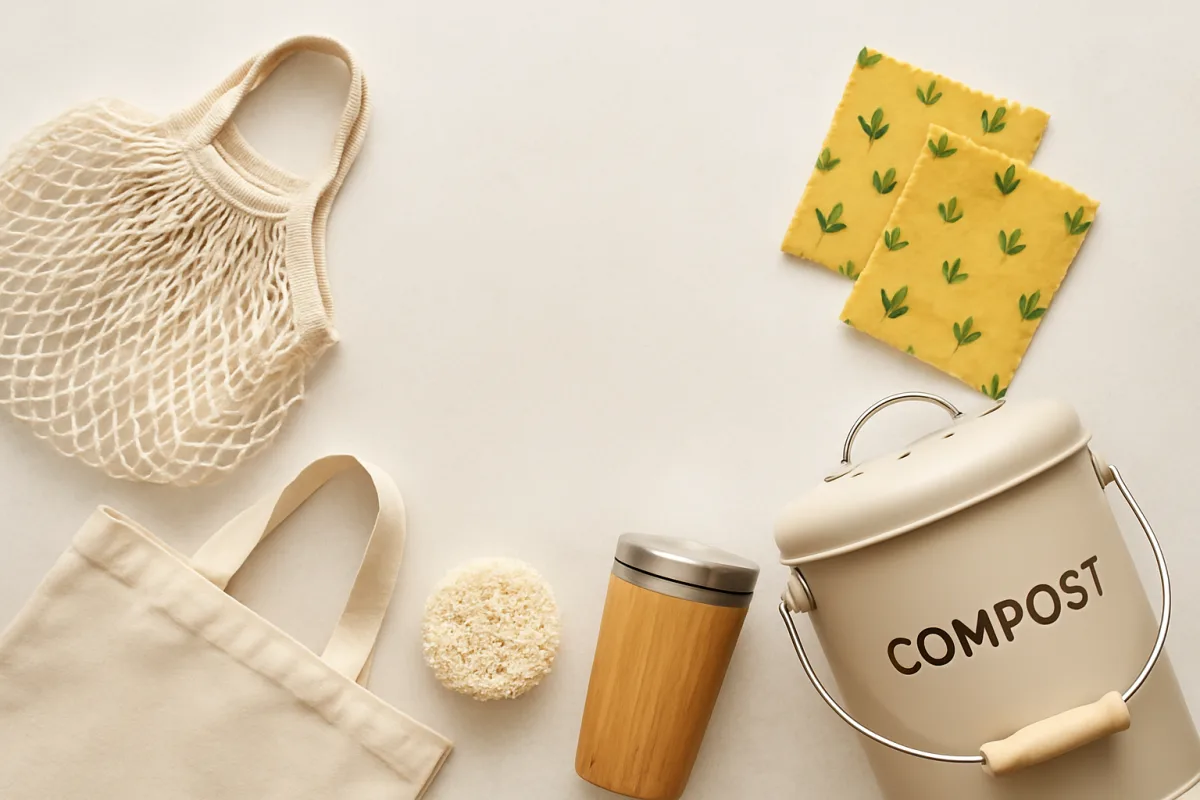
Zero waste living encourages reducing waste to the bare minimum, promoting sustainability and eco-friendliness. Beginners can start by making small adjustments in their daily routines, such as using reusable bags, avoiding single-use plastics, and composting organic waste. Key strategies include mindful purchasing, opting for bulk items, and choosing products with minimal packaging. Engaging with local zero waste communities can also provide support and resources. The goal is to create a lifestyle that minimizes environmental impact while promoting conscious consumerism.
Quick Summary
Adopting a zero waste lifestyle can seem daunting, but small, intentional changes can make a significant impact. Start by assessing your waste habits and identifying areas for improvement. Simple steps like using reusable containers, shopping second-hand, and composting can lead to a more sustainable lifestyle. Engaging with local zero waste groups can provide valuable resources and support. Remember, the journey is gradual; every small effort counts towards a larger goal of reducing waste and protecting the planet.
Curator Notes
Zero waste living is a philosophy aimed at minimizing waste and maximizing sustainability. For beginners, the journey starts with understanding the waste you produce daily. Keeping a waste diary for a week can help identify patterns and areas where you can improve.
This awareness is the first step toward making conscious choices that align with zero waste principles. One effective approach is to focus on the '5 R's': Refuse, Reduce, Reuse, Recycle, and Rot. Refusing unnecessary items, such as plastic bags and straws, is crucial.
Reducing consumption by buying only what you need can significantly lower waste. Reusing items, like glass jars for storage, extends their life and usefulness. Shopping habits play a vital role in zero waste living.
Opt for bulk bins to reduce packaging waste and choose products with minimal or compostable packaging. Supporting local businesses and farmers can also lead to more sustainable choices, as these often have less environmental impact compared to mass-produced goods. Composting is another essential practice for beginners.
It transforms organic waste into nutrient-rich soil while diverting waste from landfills. Many communities offer composting programs or resources to help you get started at home. Engaging with local zero waste communities can provide support and inspiration.
Many cities have groups that host workshops, share resources, and organize clean-up events. These connections can make the transition feel less overwhelming and more achievable. It's important to remember that zero waste living is a journey, not a destination.
Perfection is not the goal; rather, the focus should be on making gradual improvements. Celebrate small victories and learn from setbacks. This mindset fosters a more sustainable lifestyle and encourages others to join the movement.
Lastly, consider the impact of your choices on the environment. Research shows that reducing waste can significantly lower your carbon footprint. By adopting zero waste principles, you contribute to a healthier planet and inspire others to consider their consumption habits.
Recommended Options
- Beeswax Wraps: Best for Food storage without plastic Reusable and biodegradable alternative to plastic wrap. Signal checked: Highly rated for durability and effectiveness. Alternative to consider: Silicone food covers.
- Reusable Produce Bags: Best for Grocery shopping Reduces plastic bag usage while being lightweight and washable. Signal checked: Popular among eco-conscious shoppers. Alternative to consider: Cotton mesh bags.
- Compost Bin: Best for Home composting Signal checked: Recommended by gardening experts. Alternative to consider: Worm composting systems.
Best Sources
Videos and Community Signals
If your toothbrush needs replacing, don't forget to check out SURI for 20% off using my link: https://stry.cl/IMMYSURI In today's ...
THINGS I MENTIONED: Stasher Bags - https://stasher.thj6q2.net/POzQmz Reusable Period Underwear - https://kayaness.com/ ...
Comparison
| Decision Point | Good Starting Choice | When to Go Further |
|---|---|---|
| Initial Steps to Zero Waste | Start with small changes like using reusable bags. | Implement a full composting system and bulk shopping. |
| Community Engagement | Join local zero waste groups for support. | Participate in workshops and community clean-ups. |
| Mindful Purchasing | Choose products with minimal packaging. | Support local farmers and businesses. |
FAQ
Zero waste living is a lifestyle aimed at reducing waste to the minimum through conscious consumption and sustainable practices.
Begin by assessing your waste habits, using reusable products, and composting organic waste.
While some zero waste products may have a higher upfront cost, they often save money in the long run by reducing waste and encouraging mindful purchasing.