Whey vs Plant Protein Compared
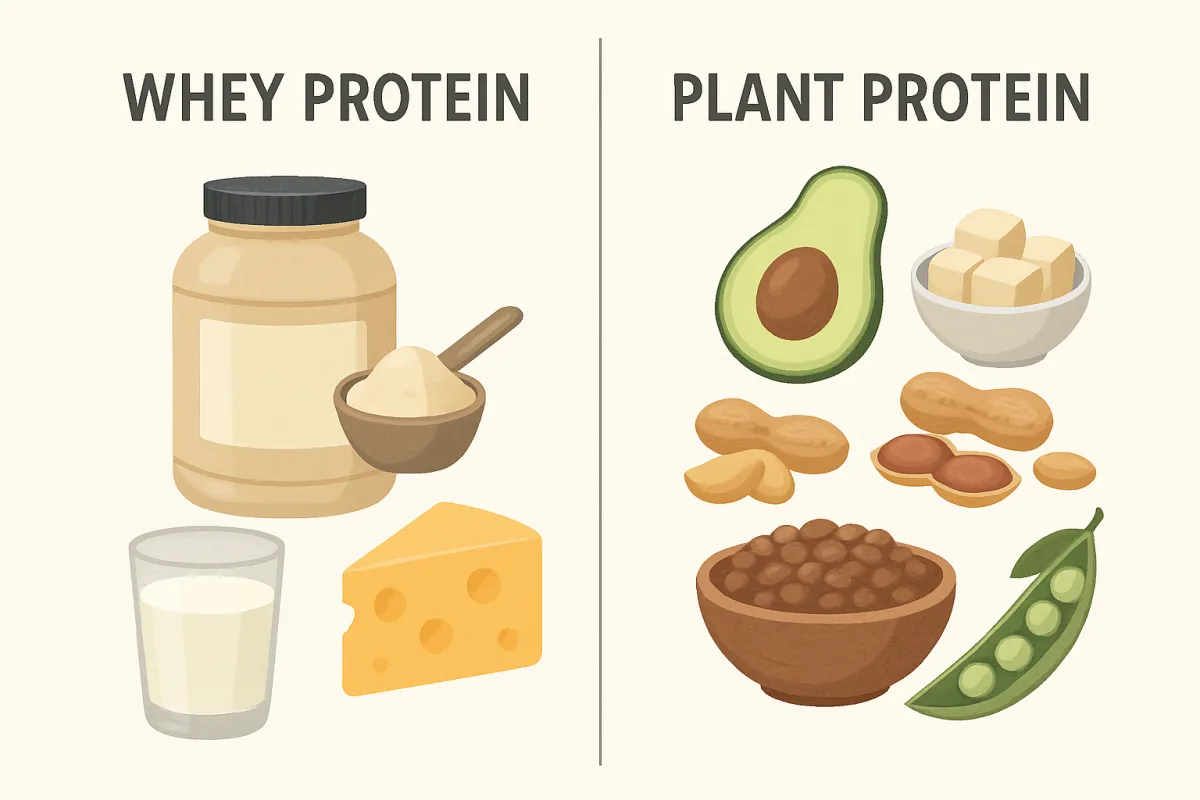
Whey protein, derived from milk, is a complete protein source rich in essential amino acids and is quickly absorbed, making it ideal for muscle recovery. In contrast, plant protein, sourced from various plants, is suitable for vegans and those with lactose intolerance. While it may lack some essential amino acids, combining different plant proteins can create a complete profile. The choice between them depends on dietary preferences, health goals, and food intolerances.
Quick Summary
Whey protein is favored for its rapid absorption and complete amino acid profile, ideal for muscle recovery. Plant protein caters to vegans and those avoiding dairy, though it may require combining sources to achieve a complete amino acid profile. Both options offer unique benefits based on individual dietary needs.
Curator Notes
Whey protein is a byproduct of cheese production and is known for its high biological value, meaning it provides all essential amino acids necessary for muscle repair and growth. Its rapid absorption makes it a popular choice among athletes and bodybuilders, particularly post-workout. Additionally, whey protein is rich in branched-chain amino acids (BCAAs), which are crucial for muscle recovery.
On the other hand, plant protein encompasses a variety of sources such as pea, rice, hemp, and soy. While these proteins may not always provide a complete amino acid profile on their own, combining different sources can yield a balanced intake. Plant protein is an excellent option for those with lactose intolerance or those following a vegan diet.
It also tends to be lower in calories and fat compared to whey, making it a suitable choice for those aiming for weight management. Ultimately, the decision between whey and plant protein should consider individual dietary restrictions, health goals, and personal preferences. For muscle recovery and growth, whey may be the better option, while plant protein is ideal for those seeking a vegan-friendly alternative or those with lactose issues.
Recommended Options
- Optimum Nutrition Gold Standard Whey: Best for Athletes and bodybuilders looking for quick recovery High-quality whey protein isolate with a complete amino acid profile. Signal checked: Widely reviewed with high ratings on multiple fitness platforms. Alternative to consider: Dymatize Nutrition ISO100
- Garden of Life Raw Organic Protein: Best for Vegans and those seeking organic options Contains a blend of plant proteins and probiotics, ensuring digestive health. Signal checked: Highly rated for taste and digestibility among plant protein users. Alternative to consider: Vega One All-in-One Shake
Best Sources
Videos and Community Signals
wheyprotein #plantprotein #bestwheyprotein #zealocityreview - Follow me on Instagram - https://www.instagram.com/zealocity For ...
What's best - Whey vs Plant-Based Protein Powder 🏋️♂️ Debating between whey and plant-based protein? While I might ...
Comparison
| Decision Point | Good Starting Choice | When to Go Further |
|---|---|---|
| Protein Source | Whey protein from milk for complete amino acids. | Plant protein from diverse sources; combine for completeness. |
| Absorption Rate | Fast absorption ideal for post-workout recovery. | Slower absorption; better for sustained energy. |
| Dietary Restrictions | Suitable for non-vegans and those without lactose intolerance. | Ideal for vegans and lactose-intolerant individuals. |
| Caloric Content | Higher in calories and fats, suitable for muscle gain. | Lower in calories, good for weight management. |
FAQ
Yes, mixing both can provide a balanced amino acid profile and cater to various dietary needs.
While whey is more effective due to its complete amino acid profile, combining different plant proteins can yield similar results.