Web3 Gaming Explained Simply
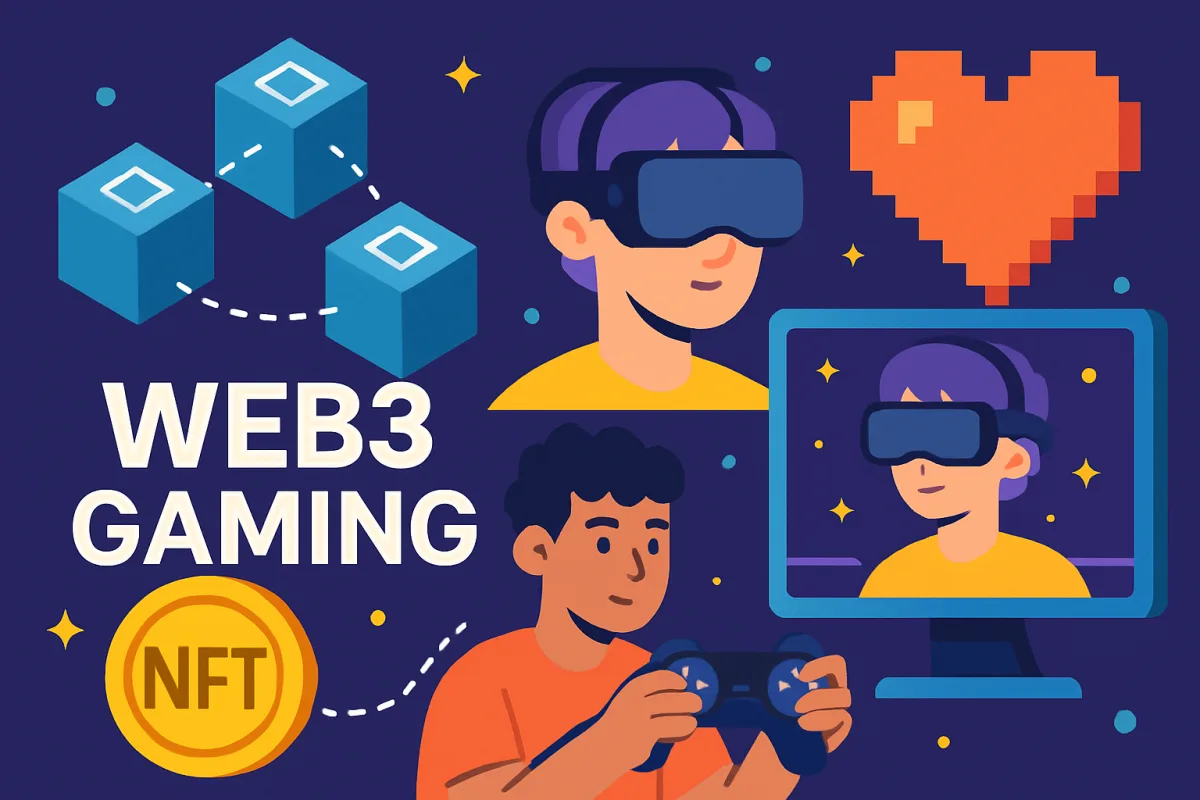
Web3 gaming represents a transformative approach to video games, integrating blockchain technology to enhance player ownership and engagement. Unlike traditional gaming, where players have limited control over in-game assets, Web3 allows players to truly own their digital items through NFTs (non-fungible tokens). This shift not only empowers players but also introduces new economic models, enabling them to earn from their gameplay. However, challenges like scalability, user experience, and regulatory concerns remain significant hurdles for widespread adoption.
Quick Summary
Web3 gaming is revolutionizing the gaming landscape by leveraging blockchain technology to give players true ownership of in-game assets. This model allows players to earn real value from their gameplay, creating a new economic paradigm. However, the transition to Web3 gaming is not without challenges, including issues related to scalability and user experience. Understanding these dynamics is crucial for both gamers and developers looking to navigate this evolving space effectively.
Curator Notes
Web3 gaming is fundamentally changing how players interact with video games. By utilizing blockchain technology, it provides players with genuine ownership of their in-game assets, which are represented as NFTs. This means that players can buy, sell, or trade their assets outside of the game environment, creating a real-world economic impact.
This model contrasts sharply with traditional gaming, where players have no claim to their digital items once the game is over. The potential for earning in Web3 gaming is another significant draw. Players can engage in play-to-earn models, where their time and effort can translate into tangible rewards.
This economic incentive is appealing, especially in regions where traditional job opportunities may be limited. However, this model also raises questions about sustainability and the long-term viability of such economic systems. Despite its promise, Web3 gaming faces several challenges.
Scalability is a major concern; many blockchain networks struggle to handle the high transaction volumes typical in gaming. This can lead to slow transaction times and increased costs, which detract from the user experience. Developers must navigate these technical hurdles to create seamless gaming experiences that can compete with traditional platforms.
User experience is another critical factor. Many players are not familiar with blockchain technology, which can create barriers to entry. Wallet setups, gas fees, and the complexity of NFTs can be daunting for newcomers.
Developers need to prioritize user-friendly interfaces and educational resources to bridge this gap and encourage wider adoption. Regulatory issues also loom large over the Web3 gaming landscape. As governments around the world grapple with how to classify and regulate cryptocurrencies and NFTs, the gaming industry must stay agile to adapt to changing laws.
This uncertainty can deter investment and innovation in the space. In conclusion, Web3 gaming represents a fascinating intersection of technology and entertainment. While it offers exciting opportunities for player empowerment and new economic models, the challenges it faces are significant.
Stakeholders in this space must work collaboratively to address these issues and unlock the full potential of Web3 gaming for future generations. For those interested in exploring Web3 gaming further, engaging with community forums and following industry news can provide valuable insights. As this field evolves, staying informed will be key to navigating its complexities and opportunities.
Recommended Options
- Axie Infinity: Best for Players interested in earning while playing Pioneered the play-to-earn model with a strong community. Signal checked: Over 2 million daily active users and significant NFT sales. Alternative to consider: Gods Unchained for card game enthusiasts.
- Decentraland: Best for Users wanting to create and monetize virtual experiences Offers a fully immersive metaverse experience with real estate ownership. Signal checked: High-profile partnerships and a growing user base. Alternative to consider: The Sandbox for voxel-based gaming.
- Illuvium: Best for Players seeking high-quality graphics and gameplay Combines RPG elements with NFT mechanics in a visually stunning environment. Signal checked: Strong pre-launch hype and community engagement. Alternative to consider: My Neighbor Alice for a more casual experience.
Best Sources
Videos and Community Signals
Curious about Web3 gaming and how it's transforming the industry? In this video, we break down what Web3 means for gamers, ...
A complete introduction into the wild world of Web3 - the decentralized web. Is Web 3.0 the future or is it all hype? Learn about the ...
Comparison
| Decision Point | Good Starting Choice | When to Go Further |
|---|---|---|
| Ownership of assets | Traditional gaming with limited ownership | Web3 gaming with true ownership through NFTs |
| Earning potential | No earning from gameplay | Play-to-earn models allowing real-world income |
| User experience | Familiar gaming interfaces | Blockchain integration requiring user education |
| Scalability | Stable performance on traditional servers | Blockchain scalability challenges affecting gameplay |
FAQ
Web3 gaming refers to video games that utilize blockchain technology, allowing players to own in-game assets and earn real value.
Players can earn through play-to-earn models, where their gameplay translates into cryptocurrency or NFTs that can be traded or sold.
Challenges include scalability issues, user experience barriers, and regulatory uncertainties.
While many Web3 games are legitimate, players should be cautious and research thoroughly to avoid scams.