Volume Eating Deficit Guide
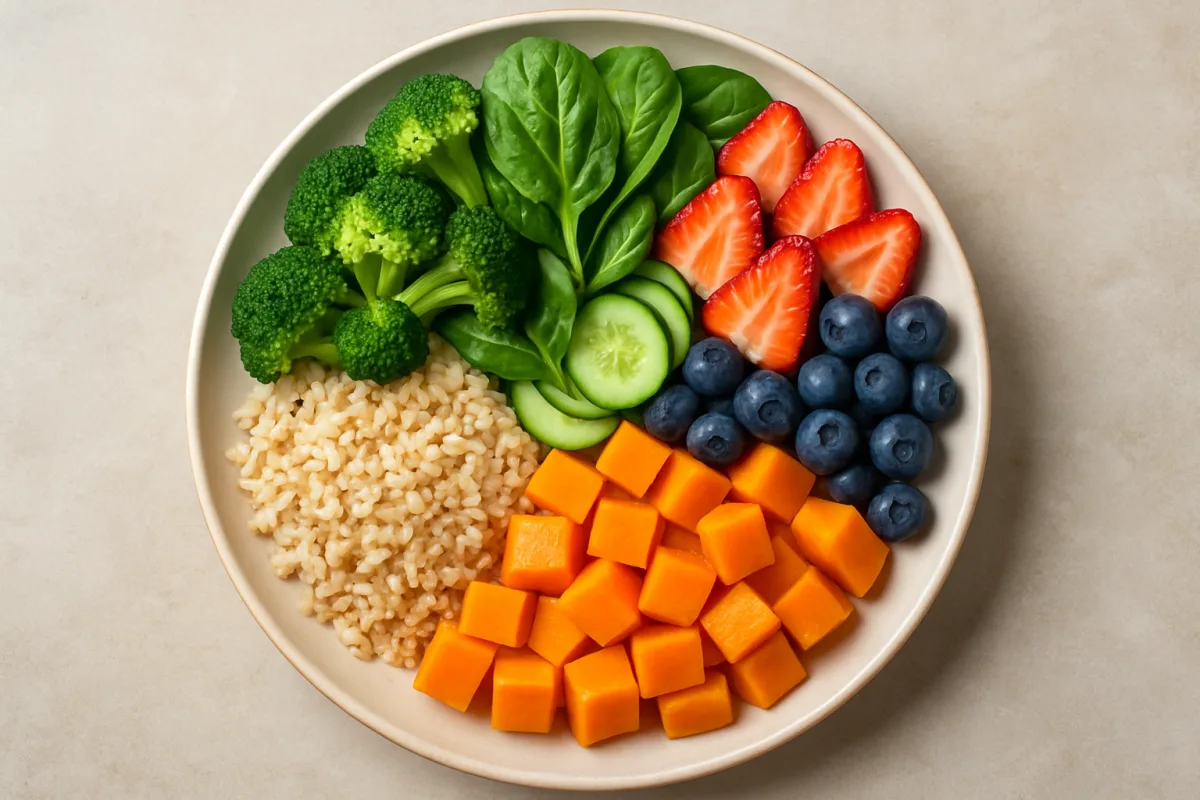
Volume eating is a strategy that focuses on consuming low-calorie, high-volume foods to create a calorie deficit for weight loss. This approach allows individuals to feel full while still reducing their overall caloric intake. Foods such as vegetables, fruits, and whole grains are staples in this eating style, as they provide bulk without excessive calories. By prioritizing these foods, you can enjoy larger portions and satisfy hunger, making it easier to adhere to a weight loss plan. However, it's essential to balance volume eating with adequate protein intake to maintain muscle mass during weight loss.
Quick Summary
Volume eating is an effective weight loss strategy that emphasizes consuming high-volume, low-calorie foods. This method allows individuals to feel satiated while maintaining a calorie deficit. Key foods include vegetables, fruits, and whole grains, which provide bulk without excessive calories. Balancing these with adequate protein is crucial for muscle maintenance. Understanding portion sizes and meal timing can enhance this approach, making it a sustainable choice for long-term weight management.
Curator Notes
Volume eating is a practical approach to weight loss that focuses on the consumption of low-calorie, high-volume foods. This method is particularly appealing because it allows individuals to eat larger portions while still achieving a calorie deficit. Foods such as leafy greens, vegetables, and fruits are excellent choices, as they are rich in water and fiber, which contribute to a feeling of fullness without packing in too many calories.
This can make the weight loss journey more enjoyable and sustainable for many people. One of the key advantages of volume eating is its ability to help manage hunger. By filling up on low-calorie foods, individuals can avoid the feelings of deprivation that often accompany traditional dieting.
This can lead to better adherence to a weight loss plan over time. However, it’s important to ensure that meals are balanced with adequate protein and healthy fats to support overall health and muscle maintenance during weight loss. Meal planning plays a critical role in successful volume eating.
Preparing meals in advance can help individuals make healthier choices and avoid the temptation of high-calorie convenience foods. Incorporating a variety of textures and flavors can also keep meals interesting and satisfying. For instance, combining crunchy vegetables with creamy dips or adding spices can enhance the eating experience without adding significant calories.
Portion control is another important aspect of volume eating. While the focus is on low-calorie foods, it’s still possible to overeat if portion sizes are not managed. Learning to recognize true hunger cues and practicing mindful eating can help individuals stay attuned to their bodies and avoid unnecessary snacking or overeating during meals.
It's also worth noting that while volume eating can be effective, it may not be suitable for everyone. Individuals with specific dietary needs or those who struggle with certain food types may find it challenging to implement this strategy. Consulting with a healthcare professional or a registered dietitian can provide personalized guidance and support.
In conclusion, volume eating offers a practical and enjoyable way to achieve a calorie deficit for weight loss. By focusing on high-volume, low-calorie foods, individuals can feel satisfied while still working towards their weight loss goals. Balancing this approach with adequate protein and healthy fats, along with mindful eating practices, can enhance its effectiveness and sustainability in the long run.
Best Sources
Videos and Community Signals
Work with me https://go.alexsolomin.com/as-appform ▻Use my calorie calculator https://calculator.alexsolomin.com ▻Get my ...
Volume eating = more food, fewer calories. Great for staying full while in a calorie deficit. ✨ Grab my high protein meal plan here: ...
Comparison
| Decision Point | Good Starting Choice | When to Go Further |
|---|---|---|
| Online booking | A simple booking page with service duration, staff assignment and confirmation emails. | Multi-location calendars, deposits, cancellation rules and waitlist handling. |
| Client records | Basic notes, visit history and contact details are enough to start. | Segmentation, purchase history, memberships, forms and before-after notes become more important. |
| Reminders | SMS or email reminders help reduce no-shows without adding admin work. | Automated rebooking, follow-up campaigns and missed-appointment recovery matter more. |
| Payments | Card capture and checkout should be simple and transparent. | Packages, memberships, staff commissions, tips and refunds need cleaner reporting. |
| Marketing | Light email or SMS campaigns are useful if they are easy to run. | Automated win-back, birthday offers, review requests and audience segments create more leverage. |
FAQ
Foods high in water and fiber, such as vegetables, fruits, and whole grains, are ideal for volume eating. They provide bulk and help you feel full without excessive calories.
Incorporate lean proteins like chicken, fish, legumes, and low-fat dairy into your meals. This ensures you maintain muscle mass while losing weight.
While many find volume eating effective, it may not be suitable for individuals with specific dietary restrictions or those who struggle with certain food types. Consulting a dietitian can help.