Visceral Fat vs Subcutaneous Fat
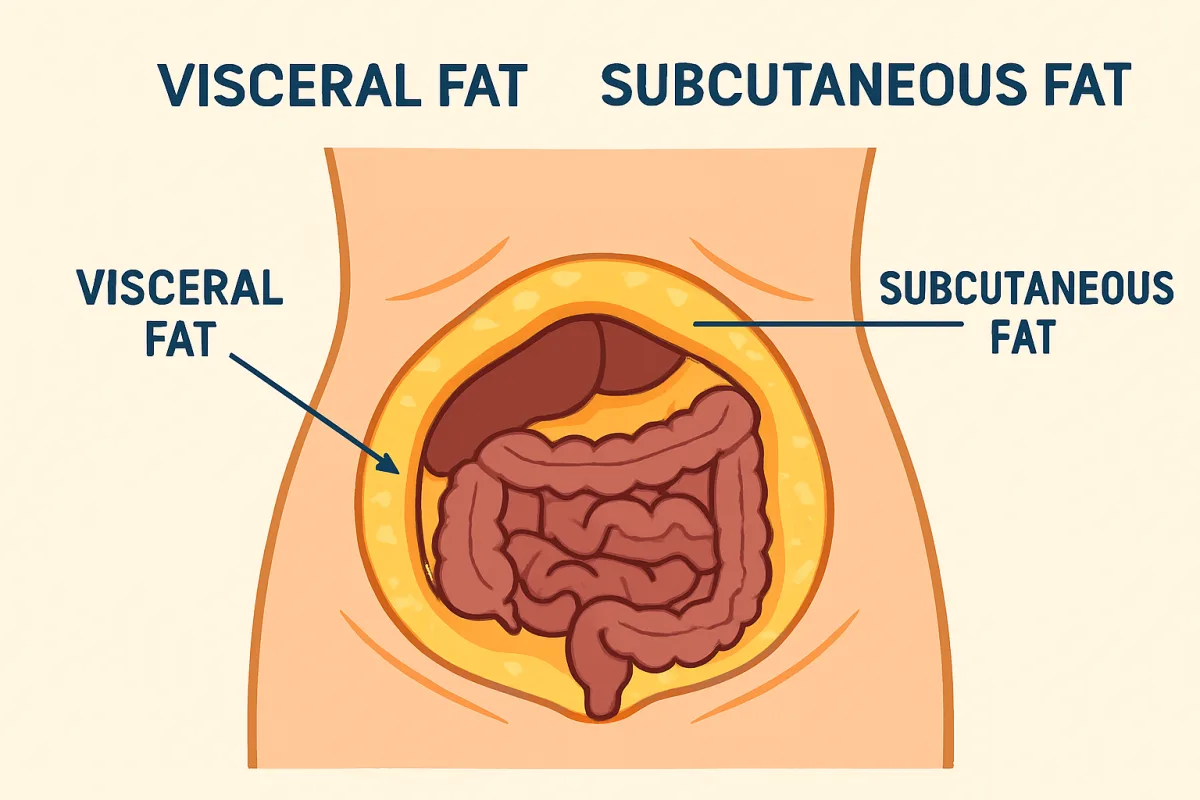
Visceral fat and subcutaneous fat are two types of body fat that differ in location, function, and health implications. Visceral fat is stored around internal organs, while subcutaneous fat is located just beneath the skin. High levels of visceral fat are associated with increased health risks, including heart disease and diabetes, making it crucial to manage. Conversely, subcutaneous fat serves as an energy reserve and provides insulation. Understanding these differences can help in making informed decisions about weight management and health.
Quick Summary
Visceral fat surrounds internal organs and poses significant health risks, while subcutaneous fat is found under the skin and is less harmful. Managing visceral fat is essential for overall health, as it is linked to serious conditions like heart disease. This guide explores the distinctions between these fat types and their implications for weight management.
Curator Notes
Visceral fat is often referred to as 'active' fat due to its role in hormone production and its association with various health risks. It is located deep within the abdominal cavity, surrounding vital organs such as the liver, pancreas, and intestines. High levels of visceral fat can lead to metabolic syndrome, which increases the risk of heart disease, type 2 diabetes, and other serious health issues.
Therefore, monitoring and reducing visceral fat is crucial for maintaining overall health and preventing chronic diseases. On the other hand, subcutaneous fat is the fat that you can pinch and is located just beneath the skin. While it can also contribute to weight gain, it is generally considered less harmful than visceral fat.
Subcutaneous fat serves several functions, including energy storage and temperature regulation. However, excessive amounts can still lead to health problems, particularly if it contributes to obesity. Understanding the balance between these two types of fat can aid in effective weight management strategies.
Best Sources
Videos and Community Signals
Shop our sponsor YOUN Beauty at: http://www.younbeauty.com We offer a full skin care line based on natural and organic ...
Visceral fat is extremely dangerous but you can lose quickly, if you know how to target it. Let's go over the best foods and best ...
Comparison
| Decision Point | Good Starting Choice | When to Go Further |
|---|---|---|
| Health Risks | Focus on reducing subcutaneous fat through diet and exercise. | Target visceral fat with specific lifestyle changes, such as high-intensity interval training (HIIT) and dietary adjustments. |
| Location | Recognize that subcutaneous fat is more visible and can be measured easily. | Understand that visceral fat requires imaging techniques like MRI or CT scans for accurate assessment. |
| Management Strategies | Incorporate regular physical activity and balanced nutrition to manage subcutaneous fat. | Adopt stress management techniques and sleep hygiene to effectively reduce visceral fat. |
FAQ
Visceral fat can be measured using imaging techniques like MRI or CT scans, but waist circumference is a practical indicator.
While subcutaneous fat is less harmful than visceral fat, excessive amounts can still lead to obesity-related health issues.
Effective methods include regular aerobic exercise, strength training, a healthy diet rich in fiber, and managing stress.