Viral Loop Mechanics Explained
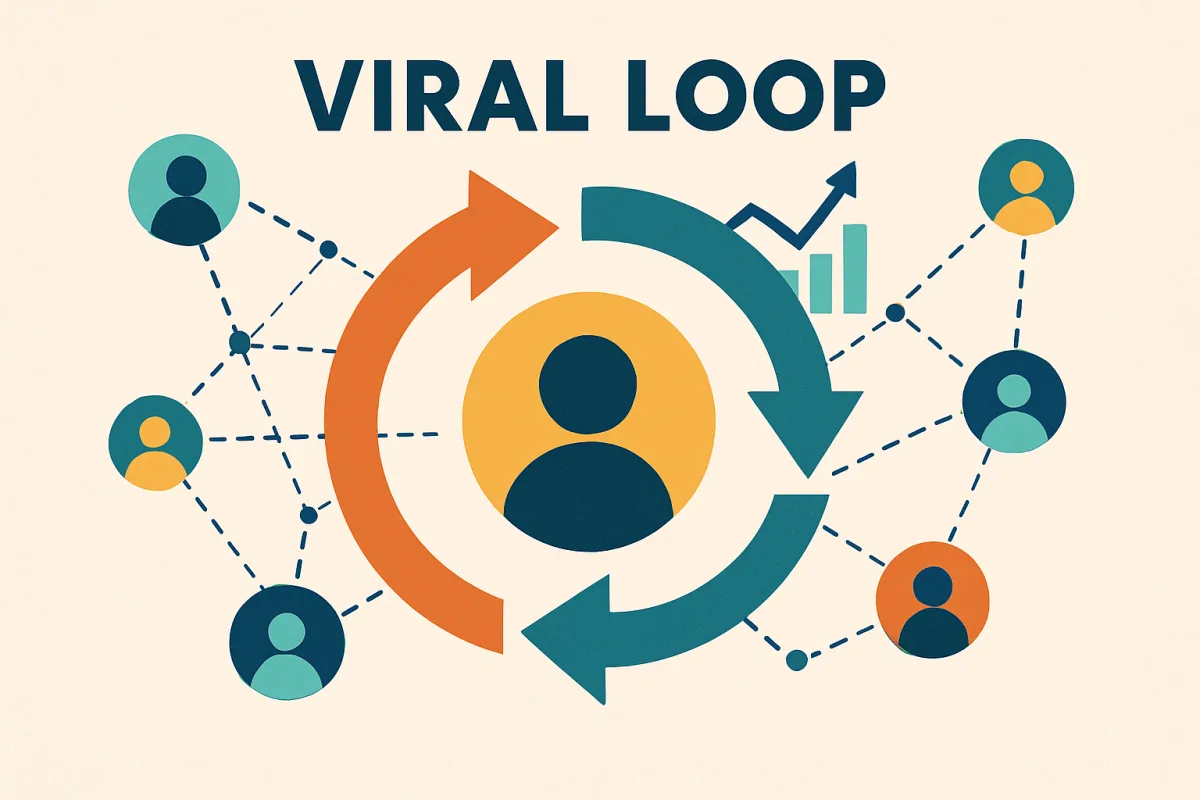
Viral loop mechanics refer to the process through which a product or service encourages users to invite others, creating a self-sustaining cycle of growth. This concept is crucial for startups and businesses aiming for rapid user acquisition. By leveraging existing users to bring in new ones, companies can significantly reduce their marketing costs and enhance their growth trajectory. Understanding the components of a viral loop, such as incentives, user experience, and network effects, can help businesses design effective strategies for scaling.
Quick Summary
Viral loop mechanics are essential for driving user growth through existing customers. This process involves incentivizing users to invite others, creating a cycle that can lead to exponential growth. Key components include user experience, incentives, and network effects, which together facilitate a self-sustaining growth model for businesses.
Curator Notes
Viral loops are a powerful mechanism for user acquisition, particularly in the digital landscape. They operate by encouraging current users to invite new users, thus creating a cycle that can lead to exponential growth. The effectiveness of a viral loop hinges on several key elements, including the incentives offered to users for sharing, the ease of the sharing process, and the overall user experience.
A well-designed viral loop can significantly reduce customer acquisition costs and enhance brand visibility. To implement a successful viral loop, businesses need to focus on creating compelling incentives that motivate users to share. This could be in the form of discounts, exclusive features, or rewards for both the referrer and the new user.
Furthermore, simplifying the sharing process—such as integrating social media sharing buttons—can enhance participation. Ultimately, understanding and optimizing these mechanics can help businesses create a self-sustaining growth engine that leverages their existing user base.
Best Sources
Videos and Community Signals
Creating viral loops in your marketing funnels is important because they can significantly amplify the reach and impact of your ...
Discover the fascinating mechanics behind our innovative flywheel machine. By pushing the flywheel connected to the crankshaft, ...
Comparison
| Decision Point | Good Starting Choice | When to Go Further |
|---|---|---|
| Online booking | A simple booking page with service duration, staff assignment and confirmation emails. | Multi-location calendars, deposits, cancellation rules and waitlist handling. |
| Client records | Basic notes, visit history and contact details are enough to start. | Segmentation, purchase history, memberships, forms and before-after notes become more important. |
| Reminders | SMS or email reminders help reduce no-shows without adding admin work. | Automated rebooking, follow-up campaigns and missed-appointment recovery matter more. |
| Payments | Card capture and checkout should be simple and transparent. | Packages, memberships, staff commissions, tips and refunds need cleaner reporting. |
| Marketing | Light email or SMS campaigns are useful if they are easy to run. | Automated win-back, birthday offers, review requests and audience segments create more leverage. |
FAQ
The key components of a viral loop include user incentives, a seamless sharing process, and a positive user experience, all of which encourage existing users to invite new users.
Businesses can measure the effectiveness of their viral loops by tracking metrics such as user acquisition rates, referral conversion rates, and the overall growth rate of their user base.