Vertical Video Cameras Review
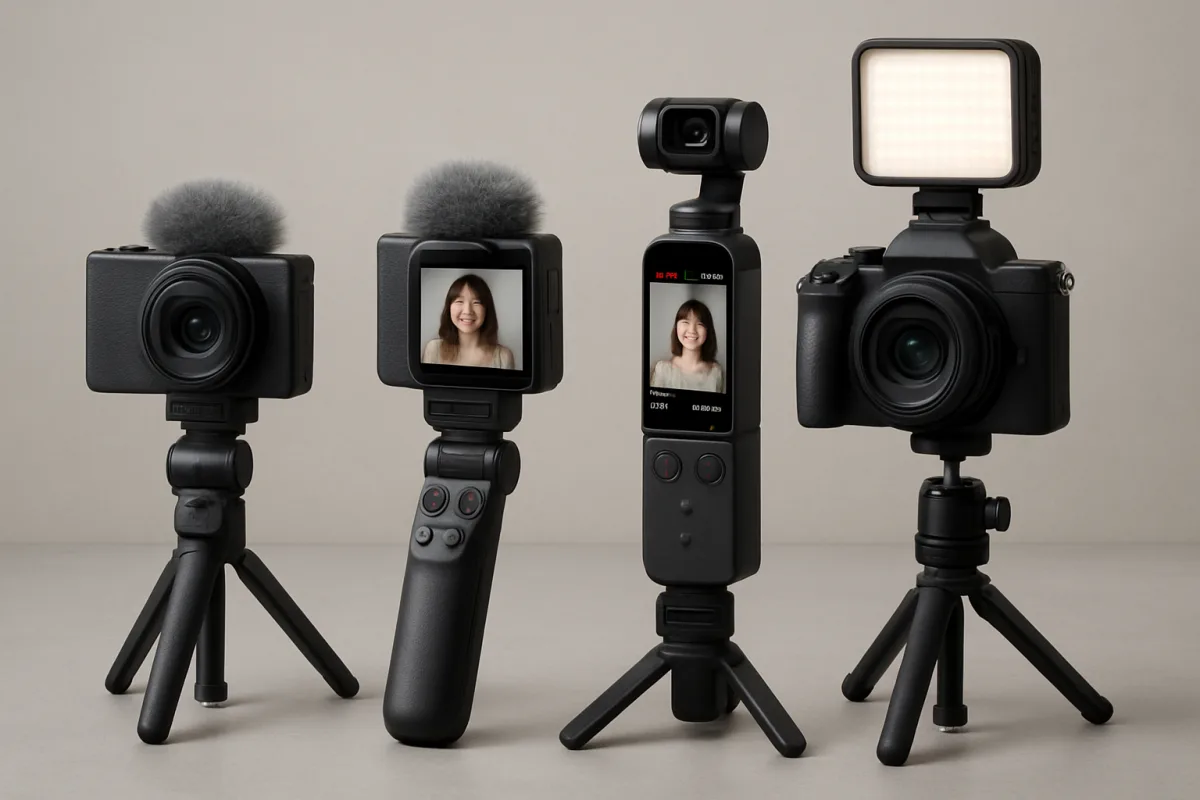
For creators focusing on vertical video content, several cameras stand out. The DJI Pocket 2 is compact and offers excellent stabilization, making it ideal for on-the-go shooting. The Sony ZV-1, designed for vloggers, features a flip-out screen and superior autofocus, perfect for capturing high-quality vertical shots. The Canon EOS M50 Mark II is versatile, with great video quality and a user-friendly interface, suitable for both beginners and experienced creators. Each option has unique strengths, catering to different needs and preferences in the vertical video space.
Quick Summary
Vertical video has become essential for platforms like TikTok and Instagram. Choosing the right camera can significantly impact your content quality. The DJI Pocket 2 is a compact choice with excellent stabilization, while the Sony ZV-1 excels in autofocus and vlogging features. The Canon EOS M50 Mark II offers versatility for various shooting styles. Understanding the strengths of each camera can help creators make informed decisions tailored to their specific needs.
Curator Notes
The rise of vertical video has transformed content creation, especially on social media platforms. Creators need cameras that not only capture high-quality footage but also adapt to the unique demands of vertical framing. The DJI Pocket 2 stands out for its portability and stabilization features, making it an excellent choice for dynamic shooting scenarios.
Its compact size allows for easy handling, which is crucial for creators who are often on the move. The Sony ZV-1 is another strong contender, specifically designed for vloggers. Its fast autofocus and flip-out screen cater to solo creators who need to frame themselves while shooting.
The camera's ability to produce vibrant colors and sharp details makes it ideal for high-quality vertical content. However, it comes with a higher price tag, which may not suit every budget. For those looking for a more versatile option, the Canon EOS M50 Mark II offers a balance of quality and usability.
This mirrorless camera provides excellent video quality and a user-friendly interface, making it suitable for both beginners and seasoned creators. Its interchangeable lenses allow for creative flexibility, although it may require a learning curve for those unfamiliar with manual settings. When selecting a camera, consider factors such as portability, ease of use, and specific features that align with your content style.
For instance, if you prioritize stabilization for action shots, the DJI Pocket 2 is a clear choice. Conversely, if you need advanced video features and are willing to invest more, the Sony ZV-1 could be the better fit. It's also important to think about post-production needs.
Cameras that offer easy file transfers and editing capabilities can streamline your workflow, especially when creating content for social media. The Canon EOS M50 Mark II, for example, integrates well with various editing software, making it easier to produce polished videos quickly. Lastly, keep in mind the community and support available for each camera.
A strong user community can provide valuable resources, tips, and troubleshooting advice. Cameras like the Sony ZV-1 have garnered a dedicated following, which can enhance your learning experience and provide ongoing support as you develop your skills. In summary, the best vertical video camera for you will depend on your specific needs, budget, and shooting style.
Evaluating the strengths and weaknesses of each option will help you make an informed decision that enhances your content creation efforts.
Recommended Options
- DJI Pocket 2: Best for On-the-go creators needing stabilization Compact size with excellent stabilization features Signal checked: Highly rated for portability and ease of use Alternative to consider: GoPro HERO9 for rugged outdoor use
- Sony ZV-1: Best for Vloggers and solo creators Fast autofocus and flip-out screen for easy framing Signal checked: Popular among vloggers for its video quality Alternative to consider: Canon G7X Mark III for compact vlogging
- Canon EOS M50 Mark II: Best for Versatile shooting and creative flexibility Interchangeable lenses and user-friendly interface Signal checked: Well-reviewed for video quality and usability Alternative to consider: Nikon Z50 for a different mirrorless option
Best Sources
Videos and Community Signals
What is the best camera for beginner video creators? Matt explains why APS-C or crop sensor cameras are the way to go and ...
There are so many reasons why I would choose this NEX-3N over an iPhone for professional and personal photography purposes ...
Comparison
| Decision Point | Good Starting Choice | When to Go Further |
|---|---|---|
| Portability | DJI Pocket 2 for compactness | Sony ZV-1 for better features but larger size |
| Video Quality | Canon EOS M50 Mark II for versatility | Sony ZV-1 for superior autofocus and color |
| Ease of Use | DJI Pocket 2 for simple operation | Canon EOS M50 Mark II for manual control options |
FAQ
The DJI Pocket 2 is highly recommended for TikTok due to its portability and stabilization.
Yes, DSLRs like the Canon EOS M50 Mark II can be used for vertical video, but ensure you have a tripod or stabilizer.
For serious vloggers, the Sony ZV-1's features justify its price, especially for high-quality vertical content.