Vegan Nutrition What to Watch For
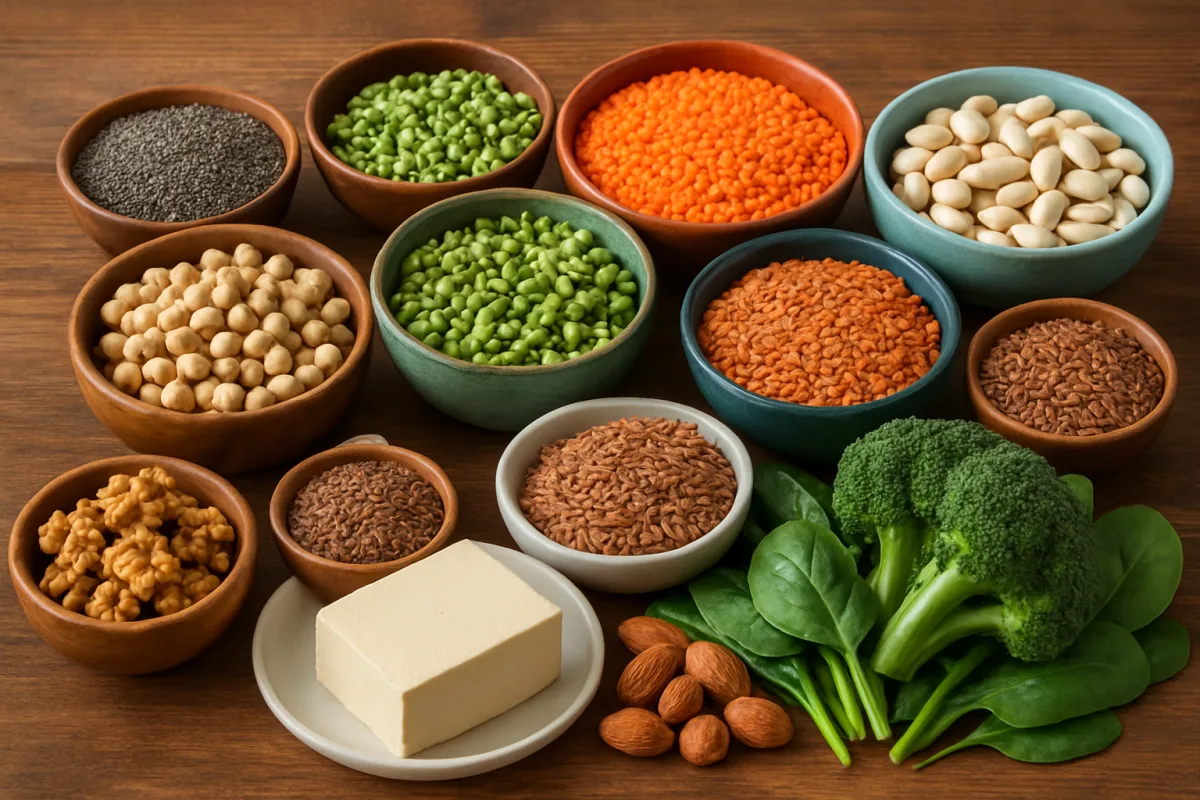
Vegan nutrition requires careful planning to ensure adequate intake of essential nutrients. Key nutrients to monitor include protein, vitamin B12, iron, calcium, omega-3 fatty acids, and vitamin D. Incorporating a variety of plant-based foods can help meet these needs. For instance, legumes, nuts, seeds, and whole grains are excellent protein sources, while fortified foods or supplements can provide vitamin B12. Awareness of these nutrients is crucial for maintaining a balanced vegan diet and preventing deficiencies.
Quick Summary
Navigating vegan nutrition involves understanding essential nutrients that may be lacking in a plant-based diet. Key areas to focus on include protein, vitamin B12, iron, calcium, omega-3 fatty acids, and vitamin D. By incorporating diverse food sources and considering fortified options, vegans can effectively meet their nutritional needs. This guide highlights what to watch for to ensure a balanced and healthy vegan lifestyle.
Curator Notes
A well-planned vegan diet can be nutritious and fulfilling, but it requires attention to certain nutrients that are less abundant in plant-based foods. Protein is often a concern; however, vegans can obtain sufficient protein from sources like lentils, chickpeas, quinoa, and tofu. Combining different protein sources throughout the day can enhance amino acid profiles, ensuring a complete protein intake.
Vitamin B12 is another critical nutrient for vegans, as it is primarily found in animal products. To avoid deficiency, consider fortified foods such as plant-based milks, cereals, and nutritional yeast, or take a B12 supplement. Regular monitoring of B12 levels through blood tests can also be beneficial.
Iron is essential for energy levels and overall health. While plant-based sources like beans, lentils, and spinach contain iron, it is in a non-heme form that is less easily absorbed by the body. Pairing iron-rich foods with vitamin C sources, like citrus fruits or bell peppers, can enhance absorption.
Calcium is vital for bone health, and vegans should focus on fortified plant milks, leafy greens, and tofu made with calcium sulfate. It's important to ensure adequate calcium intake, especially for those at risk of osteoporosis. Omega-3 fatty acids, primarily found in fish, can be sourced from flaxseeds, chia seeds, and walnuts.
Consider algae-based supplements for a direct source of DHA and EPA, the beneficial forms of omega-3s. Vitamin D is crucial for bone health and immune function. Sun exposure is a natural source, but during winter months or for those in less sunny climates, fortified foods or supplements may be necessary to maintain adequate levels.
In summary, a balanced vegan diet is achievable with careful planning and awareness of key nutrients. Regularly incorporating a variety of foods and considering fortified options or supplements can help vegans meet their nutritional needs effectively. Consulting with a registered dietitian can also provide personalized guidance and support for a healthy vegan lifestyle.
Best Sources
Videos and Community Signals
Rich Roll presents a master class on plant-based nutrition, breaking down the latest research and wisdom shared by physicians ...
Vegan Diet 101: 00:00 - Intro 00:29 - Foods you can and can't eat on vegan diet 00:59 - Vegan versions of meats and dairy 01:32 ...
Comparison
| Decision Point | Good Starting Choice | When to Go Further |
|---|---|---|
| Online booking | A simple booking page with service duration, staff assignment and confirmation emails. | Multi-location calendars, deposits, cancellation rules and waitlist handling. |
| Client records | Basic notes, visit history and contact details are enough to start. | Segmentation, purchase history, memberships, forms and before-after notes become more important. |
| Reminders | SMS or email reminders help reduce no-shows without adding admin work. | Automated rebooking, follow-up campaigns and missed-appointment recovery matter more. |
| Payments | Card capture and checkout should be simple and transparent. | Packages, memberships, staff commissions, tips and refunds need cleaner reporting. |
| Marketing | Light email or SMS campaigns are useful if they are easy to run. | Automated win-back, birthday offers, review requests and audience segments create more leverage. |
FAQ
Key nutrients include protein, vitamin B12, iron, calcium, omega-3 fatty acids, and vitamin D.
Vegans can obtain protein from legumes, nuts, seeds, and whole grains, and by combining different sources.
Yes, vitamin B12 is crucial for vegans, and they should consider fortified foods or supplements.
Good sources include beans, lentils, and spinach, ideally paired with vitamin C to enhance absorption.
Vegans can obtain omega-3s from flaxseeds, chia seeds, walnuts, and algae-based supplements.