Calcium Sources Without Dairy
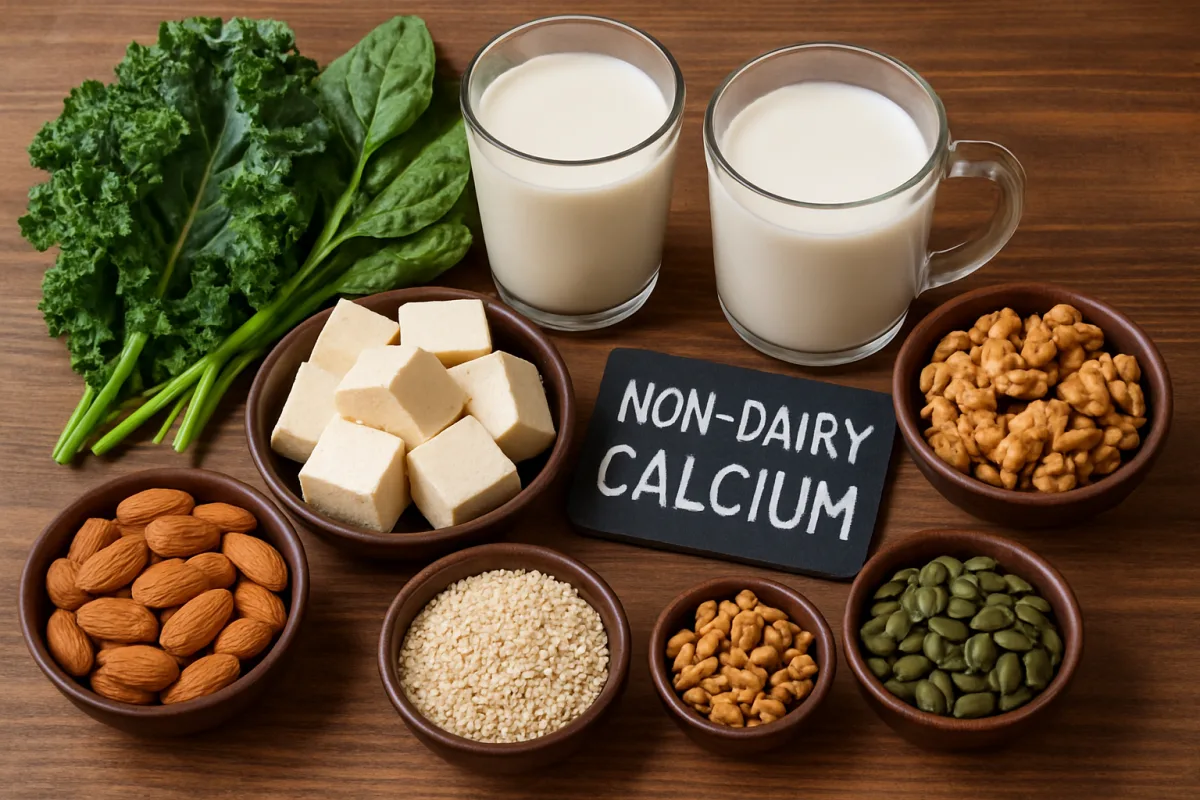
For those seeking calcium sources without dairy, several excellent options exist. Leafy greens like kale and bok choy are rich in calcium and versatile for various dishes. Fortified plant-based milks, such as almond and soy milk, offer a dairy-free alternative with added nutrients. Tofu, particularly when set with calcium sulfate, is another great source. Nuts, especially almonds, and seeds like chia and sesame are also high in calcium. Finally, certain fish, such as sardines and salmon with bones, provide a significant amount of calcium while being rich in omega-3 fatty acids.
Quick Summary
Finding calcium sources without dairy is essential for many, especially those with lactose intolerance or dietary restrictions. Leafy greens, fortified plant-based milks, tofu, nuts, seeds, and certain fish can all provide ample calcium. Each option has unique benefits and can easily be incorporated into a balanced diet. Understanding these alternatives can help ensure adequate calcium intake without relying on dairy products.
Curator Notes
Many people are unaware that there are numerous calcium-rich foods beyond dairy. Leafy greens, such as kale, collard greens, and bok choy, are excellent sources. They can be easily added to salads, smoothies, or stir-fries, making them a versatile choice for various meals.
The calcium in these greens is well-absorbed, making them a practical option for those avoiding dairy. Fortified plant-based milks are another great alternative. Options like almond, soy, and oat milk often have added calcium and vitamin D, mimicking the nutritional profile of cow's milk.
This makes them suitable for cereals, coffee, or as a base for smoothies. Always check labels for added sugars and other ingredients that may not align with your dietary goals. Tofu is a powerhouse of calcium, particularly when made with calcium sulfate.
It can be used in savory dishes or even desserts, providing a protein boost alongside calcium. For those who prefer a more traditional protein source, consider canned fish like sardines or salmon with bones, which are not only rich in calcium but also provide healthy fats. Nuts and seeds are also noteworthy sources.
Almonds, for example, are high in calcium and can be consumed as snacks or added to dishes for crunch. Chia seeds and sesame seeds are other excellent options, easily incorporated into smoothies, salads, or baked goods. Their calcium content is complemented by healthy fats and fiber, making them a nutritious choice.
It's essential to consider absorption factors when choosing calcium sources. Some foods contain oxalates or phytates, which can inhibit calcium absorption. For instance, while spinach is high in calcium, its oxalate content means that not all of that calcium is bioavailable.
Therefore, diversifying your sources can help maximize calcium intake. Lastly, while supplements can help, they should not replace whole food sources. Whole foods provide a range of nutrients that work synergistically, promoting better health overall.
If you're considering supplements, consult with a healthcare provider to determine the best approach for your needs. In summary, there are plenty of delicious and nutritious ways to meet your calcium needs without dairy. By incorporating a variety of these foods into your diet, you can ensure that you receive adequate calcium while enjoying diverse flavors and textures.
Recommended Options
- Silk Almond Milk: Best for Those looking for a dairy-free milk alternative Silk's almond milk is fortified with calcium and vitamin D, making it a nutritious choice. Signal checked: Popular among consumers for its taste and nutritional profile. Alternative to consider: Oat milk for those with nut allergies.
- Nasoya Tofu: Best for Vegans and vegetarians needing protein and calcium Nasoya's tofu is made with calcium sulfate, boosting its calcium content. Signal checked: Widely recommended by nutritionists for its versatility. Alternative to consider: Tempeh for a fermented option.
- Nutiva Chia Seeds: Best for Health-conscious individuals looking for a nutrient-dense seed Signal checked: Popular in health food circles for their nutritional benefits. Alternative to consider: Flaxseeds for a similar nutrient profile.
Best Sources
Videos and Community Signals
Is it possible to get enough calcium without dairy? Yes! Dr. Barnard talks about how to get all the calcium you need on a vegan ...
Top 10 Calcium rich NON DAIRY Foods for stronger bones Calcium is an essential mineral for good health. Not only does it help ...
Comparison
| Decision Point | Good Starting Choice | When to Go Further |
|---|---|---|
| Calcium Content | Leafy greens like kale (200 mg per cup) | Fortified almond milk (450 mg per cup) |
| Protein Source | Tofu (10 g per serving) | Canned sardines (23 g per serving) |
| Versatility in Cooking | Chia seeds (used in smoothies) | Tofu (used in savory and sweet dishes) |
FAQ
Yes, many non-dairy foods provide sufficient calcium. Incorporating a variety of these sources can help meet your daily needs.
Fortified plant milks can provide similar calcium and vitamin D levels, making them a suitable alternative for those avoiding dairy.
Kale, collard greens, and bok choy are among the best leafy greens for calcium intake.