Training Around Injuries
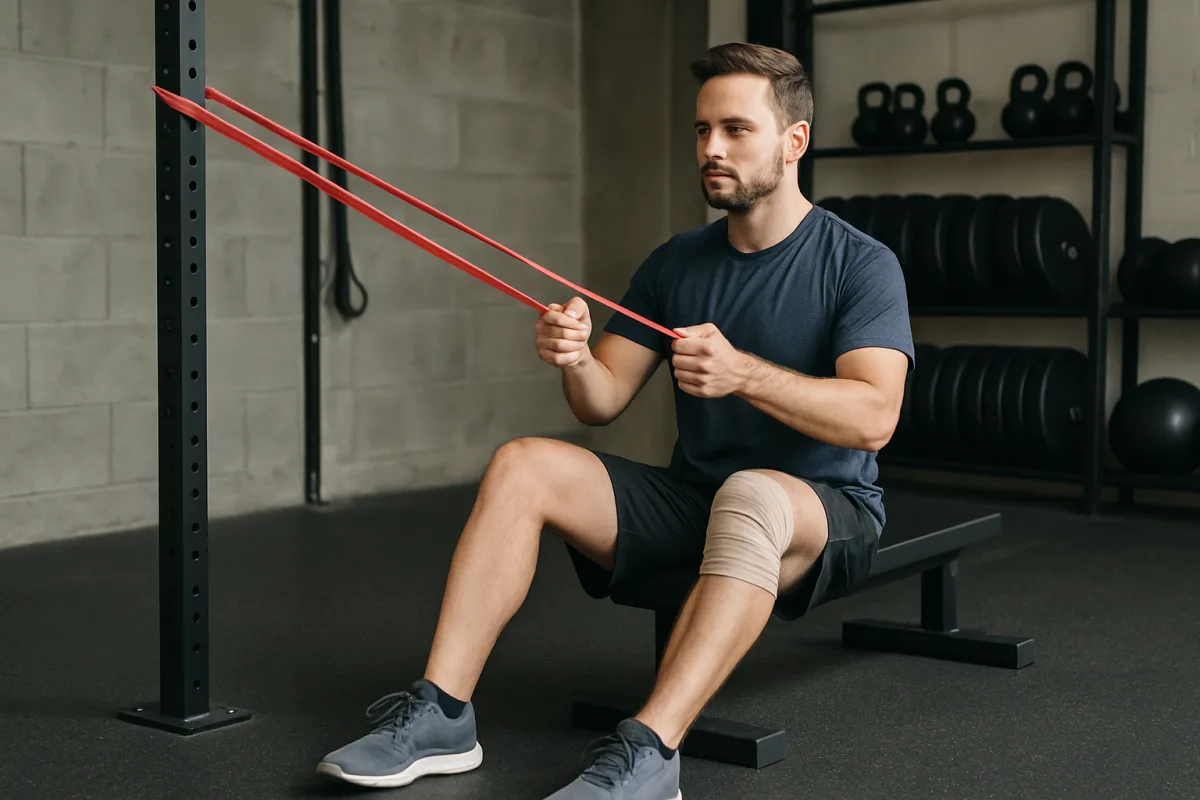
Training around injuries is essential for maintaining fitness while ensuring recovery. Focus on low-impact exercises, modify routines to avoid pain, and consult with a healthcare professional. Incorporating strength training, flexibility exercises, and proper warm-ups can help prevent further injuries. Always listen to your body and adjust your training accordingly.
Quick Summary
Training around injuries allows individuals to maintain fitness while recovering. Key strategies include low-impact exercises, routine modifications, and professional guidance. Focus on strength, flexibility, and proper warm-ups to prevent further injuries.
Curator Notes
When dealing with injuries, it's crucial to adapt your training regimen to avoid exacerbating the issue. Low-impact exercises such as swimming, cycling, or using an elliptical machine can help maintain cardiovascular fitness without stressing the injured area. Additionally, modifying your routine by reducing weight, volume, or intensity can allow you to continue training safely.
Consulting with a healthcare professional or physical therapist is advisable to create a tailored plan that accommodates your specific injury. They can provide insights into which movements are safe and which should be avoided. Incorporating strength training and flexibility exercises can also aid in recovery and help prevent future injuries by promoting overall body balance and stability.
Recommended Options
- TheraGun Elite: Best for Muscle recovery and pain relief Offers deep tissue massage to alleviate soreness and improve blood flow. Signal checked: Highly rated by athletes and physical therapists for its effectiveness. Alternative to consider: Hypervolt Go
- Resistance Bands: Best for Strength training without heavy weights Versatile and easy to use for various rehabilitation exercises. Signal checked: Widely recommended by fitness professionals for injury recovery. Alternative to consider: Dumbbells
- Gaiam Yoga for Athletes: Best for Improving flexibility and core strength Designed specifically for athletes to enhance recovery and prevent injuries. Signal checked: Positive reviews from users who report improved mobility. Alternative to consider: Pilates classes
Best Sources
Videos and Community Signals
injury happens my bros! it's part of this, we can't let it keep us from this forever! hope this helps! #noeldeyzel #shorts #injury RYSE ...
In this QUAH Sal, Adam, & Justin answer a live question from one of our listeners. If you would like to get your own question ...
Comparison
| Decision Point | Good Starting Choice | When to Go Further |
|---|---|---|
| Type of Exercise | Low-impact cardio (e.g., cycling) | Strength training with resistance bands |
| Professional Guidance | Self-guided recovery | Consultation with a physical therapist |
| Flexibility Training | Basic stretching routines | Yoga or Pilates for targeted recovery |
FAQ
Yes, but it's essential to modify your routine and focus on low-impact exercises.
Low-impact activities like swimming, cycling, and resistance training with bands are generally safe.
Yes, consulting a healthcare professional can help tailor your training to your injury.