Trademark vs Copyright Explained
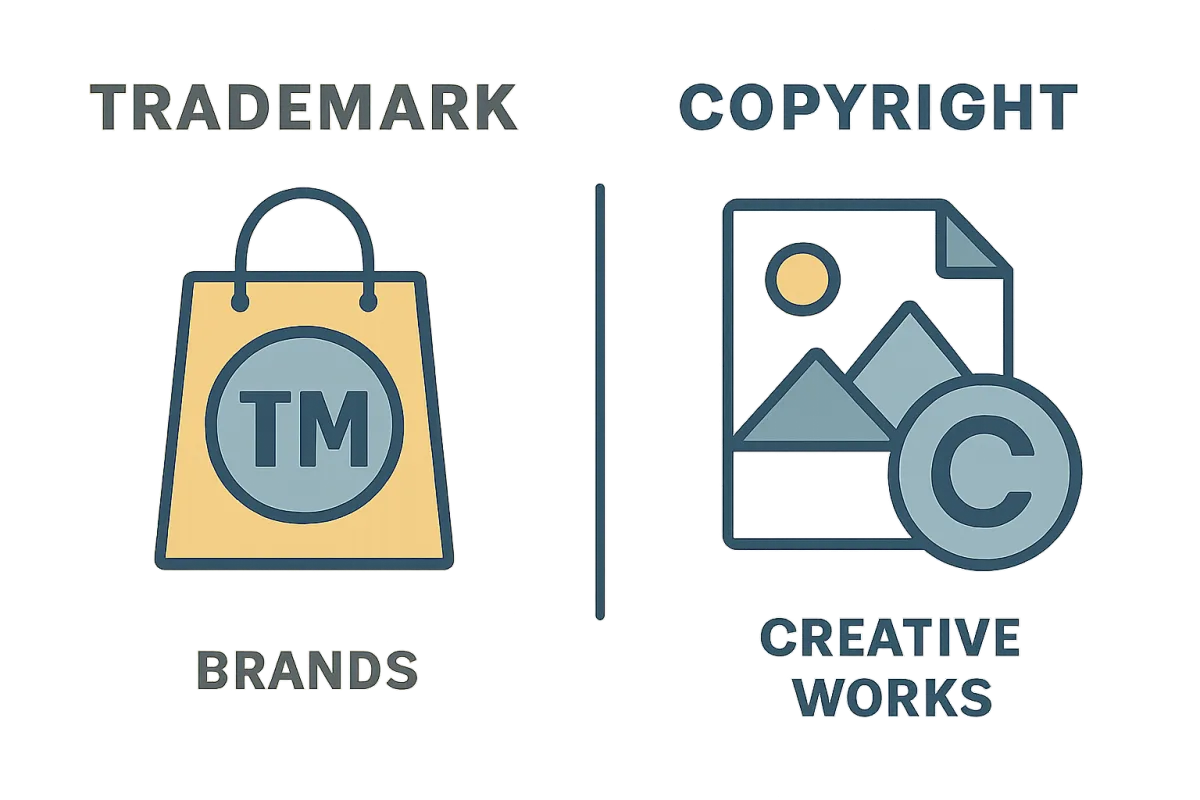
Trademarks and copyrights are both forms of intellectual property protection, but they serve different purposes. Trademarks protect brand identifiers like logos and names, ensuring consumers can distinguish between products. Copyrights protect original works of authorship, such as literature, music, and art, granting creators exclusive rights to their use. Understanding these differences is crucial for businesses and creators to safeguard their intellectual property effectively.
Quick Summary
This page explains the key differences between trademarks and copyrights, two essential forms of intellectual property protection. Trademarks focus on brand identity, while copyrights protect creative works. Knowing these distinctions helps individuals and businesses make informed decisions about protecting their intellectual property.
Curator Notes
Trademarks are designed to protect symbols, names, and slogans used to identify goods or services. They help consumers recognize the source of a product and prevent confusion in the marketplace. For example, a logo or a brand name can be trademarked, ensuring that no other company can use a similar mark that could mislead consumers.
Trademarks can last indefinitely as long as they are in use and properly renewed. On the other hand, copyrights protect original works of authorship, including literature, music, and visual arts. Copyright grants the creator exclusive rights to reproduce, distribute, and display their work.
Unlike trademarks, copyrights do not require registration, although registering provides additional legal benefits. Copyright protection lasts for the life of the author plus a certain number of years, depending on jurisdiction. Understanding the differences between these two forms of protection is vital for anyone involved in creative or business endeavors.
Properly leveraging trademarks and copyrights can enhance brand value and protect creative investments from unauthorized use.
Best Sources
Videos and Community Signals
Copyright vs trademark is one of the common questions I get as a lawyer. Most people ask what is a copyright/what is a trademark ...
In today's video we review the differences between trademarks and copyrights in and fun and interactive way! Can you tell the ...
Comparison
| Decision Point | Good Starting Choice | When to Go Further |
|---|---|---|
| Purpose | Protect brand identifiers (trademarks) | Protect creative works (copyrights) |
| Duration of Protection | Indefinite with renewal (trademarks) | Life of the author plus years (copyrights) |
| Registration Requirement | Not required but recommended (trademarks) | Not required but beneficial (copyrights) |
FAQ
Yes, a work can be protected by both trademark and copyright. For example, a logo can be trademarked while the artwork itself is copyrighted.
To register a trademark, you must file an application with the relevant governmental authority, such as the United States Patent and Trademark Office (USPTO) in the U.S.
Copyright protection typically lasts for the life of the author plus 70 years, but this can vary by jurisdiction.