Tiny House Living Pros and Cons
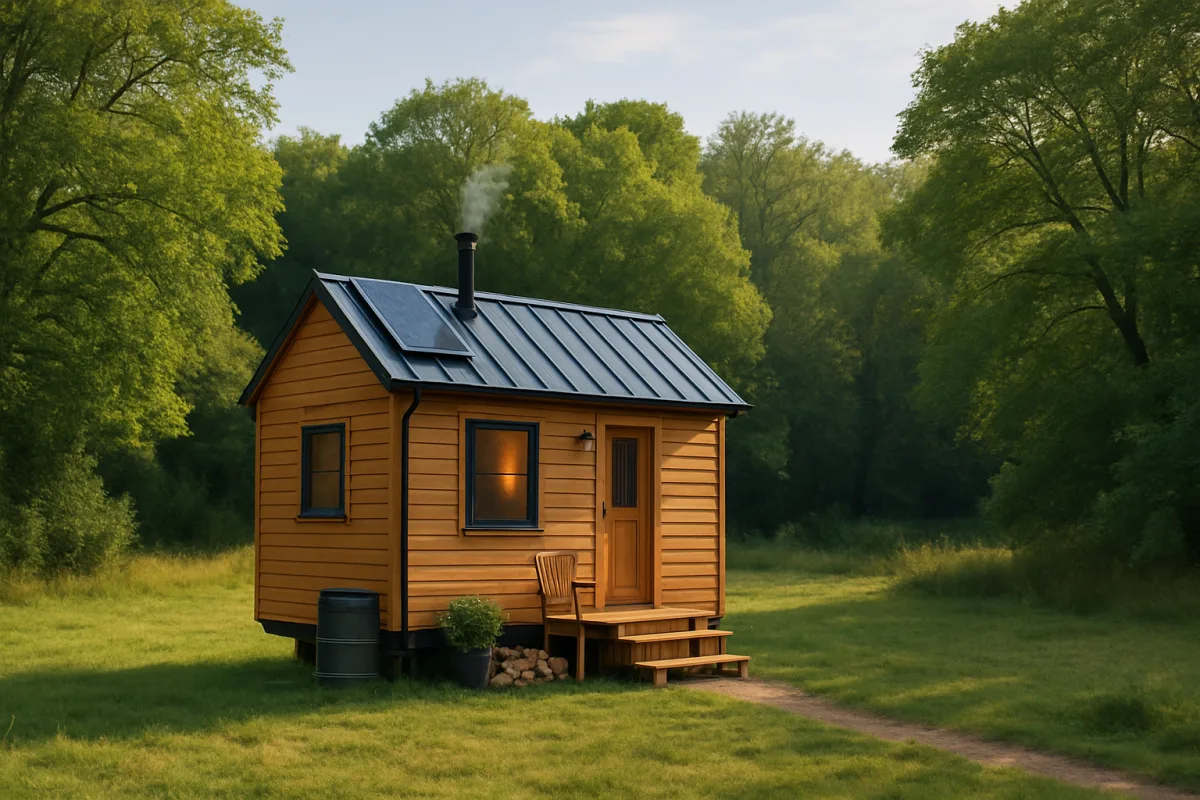
Tiny house living offers a unique lifestyle that emphasizes minimalism and sustainability. However, it comes with both advantages and disadvantages. Pros include lower costs, reduced environmental impact, and the ability to live in diverse locations. On the downside, limited space can lead to storage challenges, and zoning laws may complicate placement. Additionally, the lifestyle may not suit everyone, especially those accustomed to larger living spaces. Understanding these factors can help potential tiny house dwellers make informed decisions about their living arrangements.
Quick Summary
Exploring tiny house living reveals a blend of appealing benefits and notable drawbacks. The allure of lower costs and a minimalist lifestyle attracts many, while challenges like limited space and regulatory hurdles can deter others. This overview delves into the key pros and cons, helping prospective tiny house enthusiasts weigh their options. By understanding both sides, individuals can better assess whether this lifestyle aligns with their personal and financial goals.
Curator Notes
Tiny house living has gained traction as a lifestyle choice for those seeking simplicity and sustainability. One of the most significant advantages is the reduced financial burden. With lower mortgage or rental costs, many find that they can allocate funds to travel or investments instead of housing expenses.
This financial freedom can be liberating, allowing for a more flexible lifestyle. Another appealing aspect is the environmental impact. Tiny homes typically consume fewer resources and energy, aligning with eco-conscious values.
Living in a smaller space often encourages a minimalist mindset, leading to less consumption and waste. This can be particularly attractive for those looking to reduce their carbon footprint. However, the limited space in tiny homes can pose challenges.
Storage becomes a critical issue, requiring creative solutions to maximize functionality. Potential residents must be prepared to downsize significantly, which can be emotionally taxing for some. The adjustment to a smaller living area may not suit everyone, especially families or individuals who value personal space.
Zoning laws and regulations can also complicate tiny house living. Many areas have strict rules regarding where tiny homes can be placed, which can limit options for potential homeowners. Researching local regulations is essential to avoid legal issues, and some may find the bureaucratic hurdles daunting.
Additionally, the lifestyle may not provide the same level of comfort and amenities as traditional homes. While many tiny houses are beautifully designed, they often lack features like full-sized kitchens or multiple bathrooms. This can be a significant trade-off for those used to more spacious living conditions.
Community and social aspects also play a role in the tiny house experience. Many tiny house dwellers find a supportive community that shares similar values, which can enhance the living experience. However, isolation can be a concern for some, especially if they choose to live in remote areas.
Ultimately, tiny house living is a personal choice that requires careful consideration of both pros and cons. Understanding the financial, environmental, and lifestyle implications can help individuals make informed decisions about whether this unique way of living aligns with their goals and values.
Best Sources
Videos and Community Signals
We discuss the pros and cons of living in a Tiny House. We also tour several affordable models. Everything you need to know ...
The pros and cons we've discovered from living in our tiny house. This video is a little longer than I expected it to be, but it's from ...
Comparison
| Decision Point | Good Starting Choice | When to Go Further |
|---|---|---|
| Online booking | A simple booking page with service duration, staff assignment and confirmation emails. | Multi-location calendars, deposits, cancellation rules and waitlist handling. |
| Client records | Basic notes, visit history and contact details are enough to start. | Segmentation, purchase history, memberships, forms and before-after notes become more important. |
| Reminders | SMS or email reminders help reduce no-shows without adding admin work. | Automated rebooking, follow-up campaigns and missed-appointment recovery matter more. |
| Payments | Card capture and checkout should be simple and transparent. | Packages, memberships, staff commissions, tips and refunds need cleaner reporting. |
| Marketing | Light email or SMS campaigns are useful if they are easy to run. | Automated win-back, birthday offers, review requests and audience segments create more leverage. |
FAQ
The main benefits include lower costs, reduced environmental impact, and the ability to embrace a minimalist lifestyle.
Challenges include limited storage space, potential zoning issues, and a lack of certain amenities found in larger homes.
While some families successfully adapt to tiny living, it may not be ideal for everyone due to space constraints.
Zoning laws vary by location and can restrict where tiny homes can be placed, making it essential to research local regulations.