Therapy Dog Training Requirements
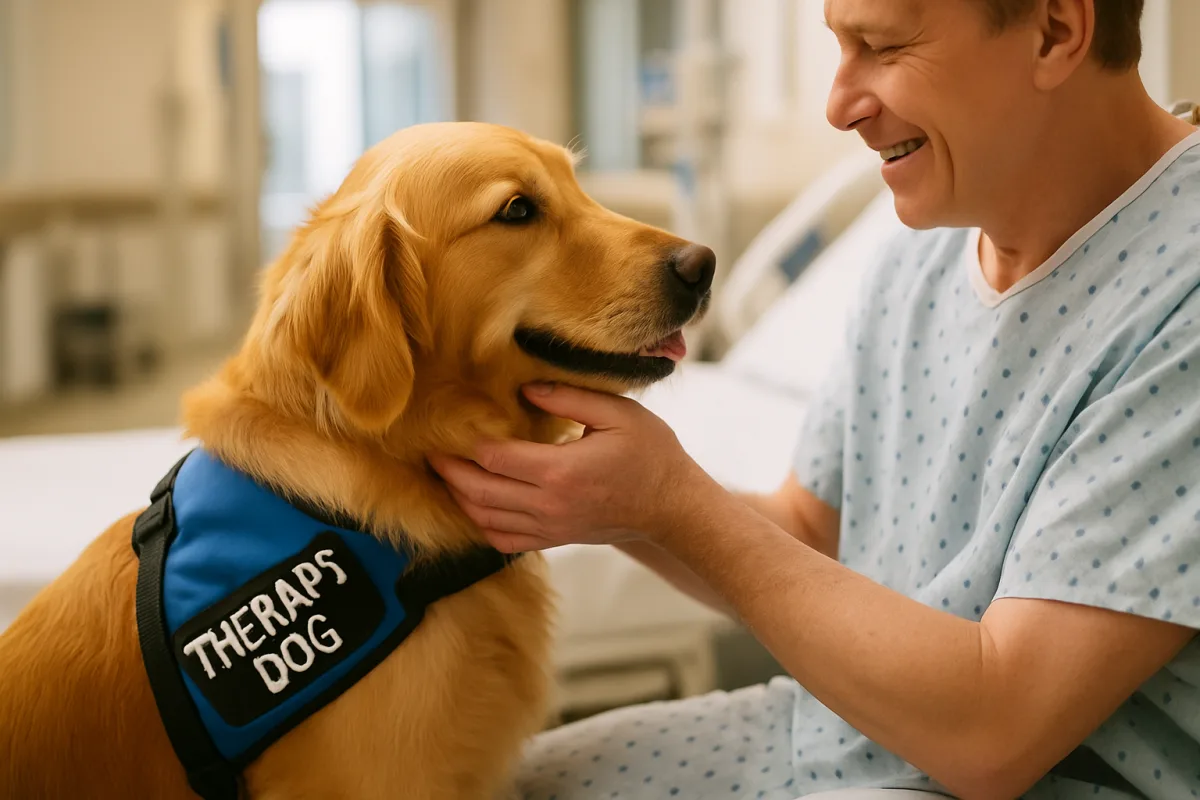
Therapy dog training requirements typically include basic obedience training, socialization, and specific temperament traits. Dogs must be well-behaved, friendly, and comfortable in various environments. Additionally, handlers often need to pass evaluations from recognized organizations, such as the Alliance of Therapy Dogs or Pet Partners, to ensure both the dog and handler are prepared for therapy work.
Quick Summary
Training a therapy dog involves several key requirements, including basic obedience, socialization, and temperament evaluations. Handlers and dogs often need to be certified by recognized organizations to ensure they meet the necessary standards for therapy work.
Curator Notes
To successfully train a therapy dog, it is essential to start with basic obedience training. This foundational training helps ensure that the dog can follow commands and behave appropriately in various settings. Common commands include sit, stay, come, and heel.
Consistent training sessions and positive reinforcement techniques can significantly enhance a dog's learning experience. Socialization is another critical aspect of therapy dog training. Dogs must be exposed to different environments, people, and other animals to develop a calm and friendly demeanor.
This exposure helps them become comfortable in various situations, which is vital when interacting with individuals in hospitals, schools, or nursing homes. Additionally, specific temperament traits, such as being friendly, patient, and gentle, are crucial for therapy work. Handlers also play a significant role in the training process.
They often need to pass evaluations from recognized organizations, such as the Alliance of Therapy Dogs or Pet Partners. These evaluations assess both the dog's behavior and the handler's ability to manage their dog effectively in therapy settings. Proper certification ensures that both the dog and handler are prepared for the responsibilities of therapy work.
Recommended Options
- Alliance of Therapy Dogs Certification: Best for Handlers looking to certify their therapy dogs Recognized nationwide, providing a thorough evaluation process. Signal checked: Widely respected in the therapy dog community. Alternative to consider: Pet Partners Certification
- Pet Partners Certification: Best for Handlers seeking a comprehensive certification program Offers extensive resources and support for therapy teams. Signal checked: High satisfaction ratings from certified teams. Alternative to consider: Alliance of Therapy Dogs Certification
Best Sources
Videos and Community Signals
Meet Elsa, Texas Children's new therapy dog. Elsa is part of the hospital's newly launched facility dog program that uses ...
Many animals can be used as therapy animals, but dogs are definitely the most common. Their natural gentleness and ability to ...
Comparison
| Decision Point | Good Starting Choice | When to Go Further |
|---|---|---|
| Basic Obedience Training | Start with basic commands like sit and stay. | Incorporate advanced commands and distractions. |
| Socialization Exposure | Introduce the dog to familiar environments. | Expose the dog to diverse settings and situations. |
| Handler Certification | Complete a basic evaluation from a local organization. | Pursue certification from a nationally recognized body. |
FAQ
Most organizations require therapy dogs to be at least one year old to ensure maturity and stability.
Yes, many breeds can become therapy dogs, but they must possess the right temperament and training.