Term vs Whole Life Insurance
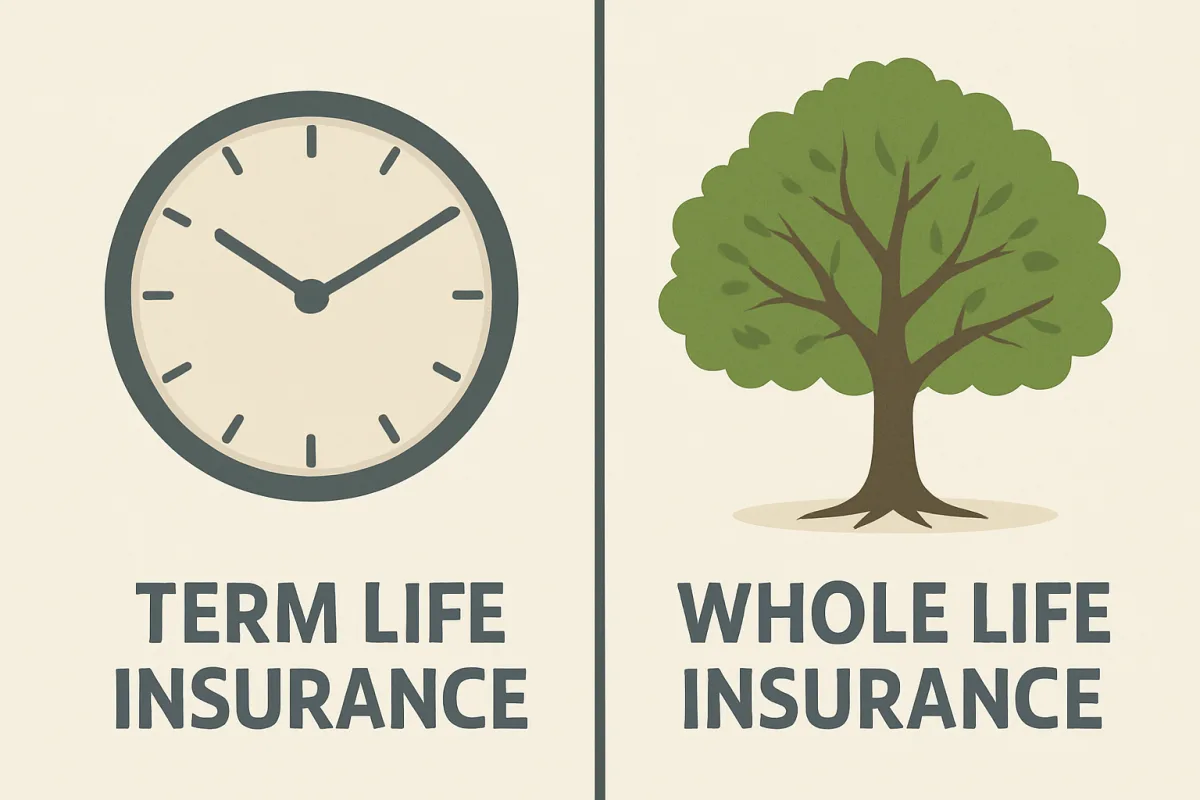
Term life insurance provides coverage for a specific period, typically 10 to 30 years, making it more affordable but without cash value accumulation. Whole life insurance, on the other hand, offers lifelong coverage with a savings component that builds cash value over time. The choice between the two depends on individual financial goals, budget, and the need for long-term security.
Quick Summary
Understanding the differences between term and whole life insurance is crucial for making informed financial decisions. Term life insurance is generally more affordable and suitable for temporary needs, while whole life insurance provides lifelong coverage and builds cash value, making it a more expensive option. This guide explores the benefits and drawbacks of each type to help you choose the right policy for your needs.
Curator Notes
Term life insurance is designed to provide coverage for a specified period, such as 10, 20, or 30 years. It is often more affordable than whole life insurance, making it an attractive option for those who need coverage for a limited time, such as while raising children or paying off a mortgage. However, once the term expires, the policyholder must either renew the policy at a higher premium or lose coverage altogether, as there is no cash value associated with term insurance.
Whole life insurance, in contrast, offers lifelong coverage and includes a savings component that accumulates cash value over time. This type of insurance is generally more expensive due to the guaranteed death benefit and the cash value accumulation. Whole life policies can be beneficial for individuals looking for long-term financial security and a way to build savings that can be borrowed against or withdrawn in the future.
However, the higher premiums may not be feasible for everyone, especially those on a tight budget. Ultimately, the decision between term and whole life insurance should be based on personal financial goals, budget considerations, and the desired level of coverage. It's essential to assess your current and future financial needs to determine which policy aligns best with your objectives.
Recommended Options
- Haven Life Term Insurance: Best for Individuals seeking affordable, straightforward term life insurance. Haven Life offers a quick online application process and competitive rates, making it user-friendly. Signal checked: Highly rated for customer satisfaction and ease of use. Alternative to consider: Banner Life for similar affordability with slightly different coverage options.
- MassMutual Whole Life Insurance: Best for Individuals looking for lifelong coverage with cash value accumulation. MassMutual is known for its strong financial stability and dividends for policyholders. Signal checked: Highly rated for financial strength and customer service. Alternative to consider: New York Life for similar benefits with different policy structures.
Best Sources
Videos and Community Signals
Read our article about Term Life vs Whole Life: https://bit.ly/3UDsHFR Get a Term Life Insurance Quote: http://bit.ly/3SVNOSH.
We expose the stark contrast between term and whole life insurance, detailing why term life often reigns supreme. Explore the ...
Comparison
| Decision Point | Good Starting Choice | When to Go Further |
|---|---|---|
| Coverage Duration | Term life insurance (10-30 years) | Whole life insurance (lifetime coverage) |
| Cost | Lower premiums for term policies | Higher premiums for whole life due to cash value |
| Cash Value | No cash value accumulation | Cash value builds over time with whole life |
| Flexibility | Renewable or convertible options available | Fixed premiums and guaranteed death benefit |
FAQ
The main difference is that term life insurance provides coverage for a specific period without cash value, while whole life insurance offers lifelong coverage with a cash value component.
Term life insurance is generally more affordable than whole life insurance, making it a popular choice for those on a budget.
Many term policies offer a conversion option, allowing you to switch to a whole life policy without undergoing a medical exam.