Teaching Kids About Money Guide
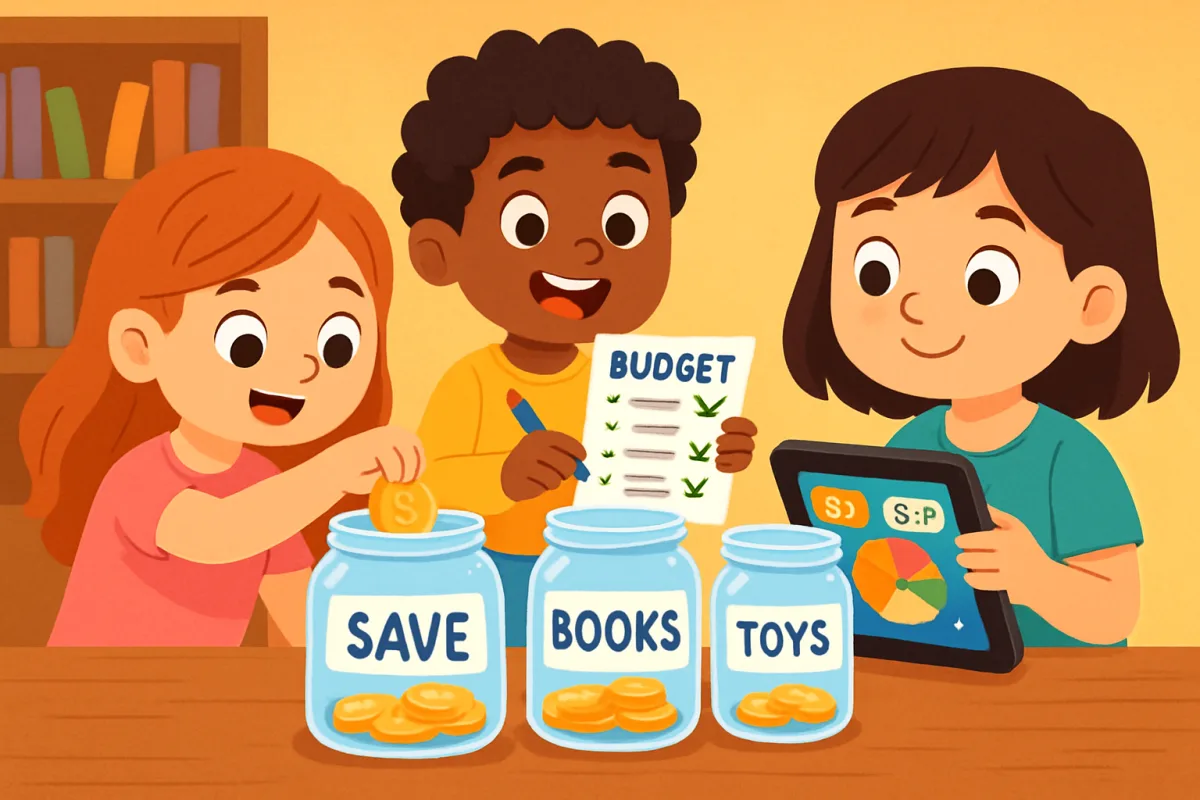
Teaching kids about money is essential for their financial literacy and future independence. Start with basic concepts like saving, spending, and budgeting. Use practical examples, such as setting up a savings jar or involving them in family budgeting discussions. Interactive tools like apps or games can also make learning fun. Gradually introduce more complex topics like investing and the value of money over time, ensuring they understand the importance of financial responsibility.
Quick Summary
This guide provides practical methods for teaching kids about money, covering essential concepts like saving, budgeting, and spending. It emphasizes interactive learning through real-life examples and tools to enhance financial literacy from a young age.
Curator Notes
Teaching kids about money is crucial for fostering financial literacy and independence. Begin with foundational concepts such as saving, spending wisely, and budgeting. For instance, you can introduce a savings jar where they can physically see their money grow.
This visual representation helps them understand the value of saving towards a goal, such as a toy or game they want to buy. As they grasp these basics, involve them in family financial discussions. Explain household budgeting in simple terms, showing them how you allocate funds for necessities versus luxuries.
This real-life context makes the learning process relatable and practical. Additionally, consider using educational apps or games designed for children, which can make learning about money engaging and fun. Gradually introduce more complex topics like investing and the concept of interest.
Use age-appropriate resources, such as books or online courses, to deepen their understanding. The goal is to equip them with the skills needed to make informed financial decisions as they grow older, ensuring they appreciate the importance of financial responsibility.
Recommended Options
- PiggyBot: Best for Children aged 6-12 PiggyBot is designed to teach kids about managing their allowance and savings through a fun and interactive platform. Signal checked: Highly rated on app stores for its engaging interface and educational value. Alternative to consider: Greenlight
- Bankaroo: Best for Kids who are learning to budget Signal checked: Popular among parents for its simplicity and effectiveness in teaching budgeting. Alternative to consider: iAllowance
- Adams Media The Everything Kids' Money Book: Best for Kids aged 8-12 This book offers engaging activities and explanations about money management tailored for kids. Signal checked: Well-reviewed for its fun approach to financial education. Alternative to consider: Money Ninja
Best Sources
Videos and Community Signals
In the video, Berel Solomon discusses the approach to financial education within the Jewish community, emphasizing the ...
During a play date, Elmo and Louie help Abby learn about spending, sharing, and saving money. Watch this video with children to ...
Comparison
| Decision Point | Good Starting Choice | When to Go Further |
|---|---|---|
| Learning Method | Visual savings jars for understanding saving. | Interactive apps for comprehensive money management. |
| Age Appropriateness | Simple books for younger kids. | Complex budgeting apps for older kids. |
| Engagement Level | Hands-on activities like saving jars. | Gamified learning through apps. |
FAQ
You can start introducing basic concepts as early as age 4, gradually increasing complexity as they grow.
Use games, apps, and real-life scenarios to make financial education engaging and relatable.
Consider apps like PiggyBot, books like The Everything Kids' Money Book, and interactive games.