Supply Chain Careers in Demand
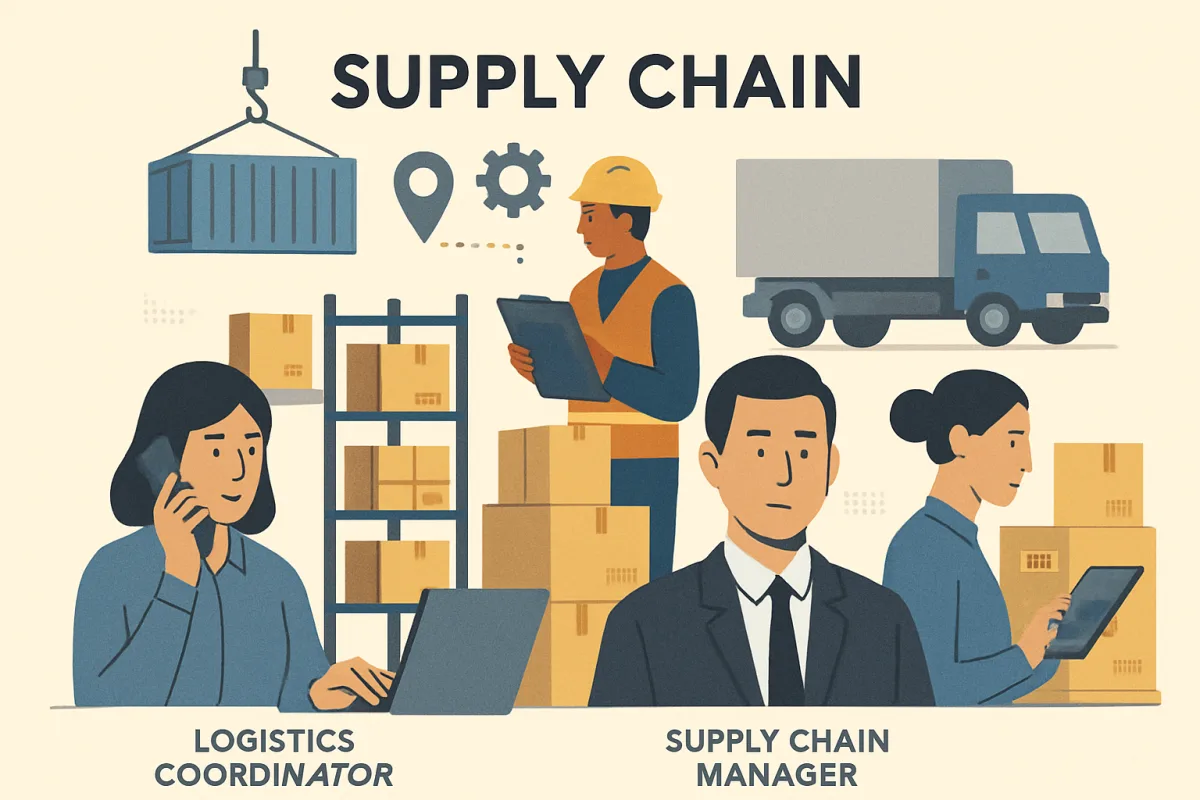
Supply chain careers are increasingly in demand due to the growing complexity of global logistics and the need for efficiency in operations. Key roles include supply chain managers, logistics coordinators, and procurement specialists. These positions are critical in ensuring that goods are produced and delivered efficiently, making them essential in various industries. The demand for skilled professionals in this field is projected to grow significantly, driven by advancements in technology and the need for sustainable practices.
Quick Summary
The demand for supply chain careers is on the rise, influenced by global logistics complexities and technological advancements. Key roles such as supply chain managers and logistics coordinators are essential for operational efficiency. This growth trend indicates a robust job market for professionals in this field.
Curator Notes
The supply chain sector is experiencing a surge in demand for skilled professionals, driven by the increasing complexity of global trade and logistics. As businesses strive for efficiency and sustainability, roles such as supply chain managers, logistics coordinators, and procurement specialists have become vital. These positions require a blend of analytical skills, strategic thinking, and knowledge of supply chain technologies, making them attractive career options for job seekers.
Moreover, the rise of e-commerce and the need for real-time inventory management have further amplified the demand for supply chain professionals. Companies are looking for individuals who can leverage data analytics to optimize supply chain operations and enhance customer satisfaction. As a result, educational institutions are adapting their curricula to prepare graduates for these in-demand roles, ensuring a steady influx of talent into the industry.
Recommended Options
- APICS Supply Chain Management Certification: Best for Professionals seeking to advance their careers in supply chain management. APICS is recognized globally for its rigorous certification programs that enhance skills and knowledge. Signal checked: High pass rates and positive feedback from industry professionals. Alternative to consider: SCPro Certification by the Council of Supply Chain Management Professionals (CSCMP).
- Logistics Coordinator Role: Best for Entry-level candidates looking to start a career in supply chain. This role offers hands-on experience in managing logistics and supply chain operations. Signal checked: High demand for logistics coordinators in various industries. Alternative to consider: Supply Chain Analyst positions for those with analytical skills.
- Procurement Specialist: Best for Individuals with strong negotiation skills and a background in purchasing. Procurement specialists play a crucial role in cost management and supplier relations. Signal checked: Growing need for procurement professionals as companies focus on cost efficiency. Alternative to consider: Purchasing Manager roles for those with more experience.
Best Sources
Videos and Community Signals
Discover the high-paying opportunities in supply chain and logistics. Learn how you can earn up to $80k with an undergraduate ...
Are you considering pursuing a degree in Supply Chain Management? In this video, we dive into the future of the supply chain ...
Comparison
| Decision Point | Good Starting Choice | When to Go Further |
|---|---|---|
| Career Advancement Opportunities | Entry-level roles like Logistics Coordinator. | Management positions such as Supply Chain Manager. |
| Required Skills | Basic understanding of logistics. | Advanced data analytics and strategic planning. |
| Industry Demand | Retail and e-commerce sectors. | Manufacturing and technology sectors. |
FAQ
Typically, a bachelor's degree in supply chain management, logistics, or a related field is required. Certifications can enhance job prospects.
Roles such as Supply Chain Director, Procurement Manager, and Logistics Manager tend to offer the highest salaries.
Consider internships or entry-level positions to gain experience, and pursue relevant certifications to boost your qualifications.