Student Loan Forgiveness Explained
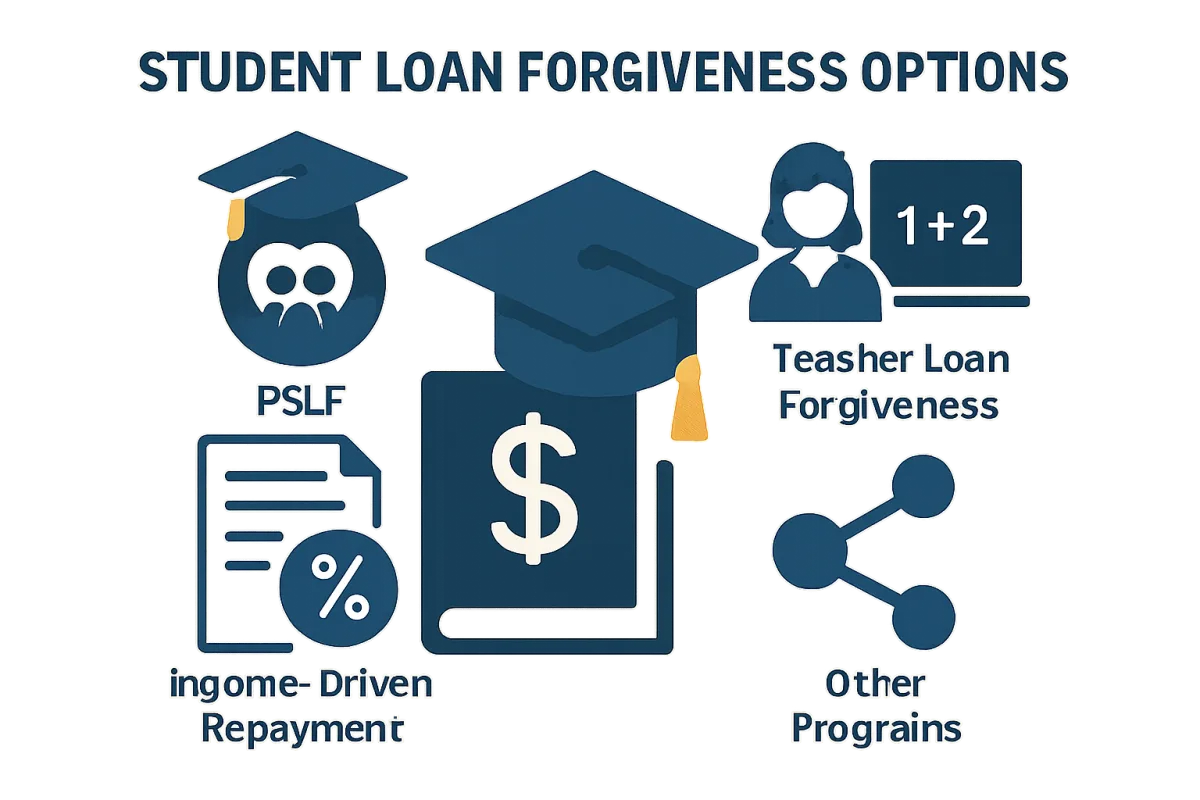
Student loan forgiveness programs aim to alleviate the burden of student debt for eligible borrowers. These programs can vary significantly, with options like Public Service Loan Forgiveness (PSLF) targeting those in public service jobs, while income-driven repayment plans can offer forgiveness after a set number of years based on income. Eligibility criteria, application processes, and the amount forgiven can differ widely, making it essential for borrowers to understand their options. The strongest signal is that borrowers should stay informed about changing policies and deadlines to maximize their benefits.
Quick Summary
Understanding student loan forgiveness is crucial for borrowers seeking relief from debt. Various programs exist, including Public Service Loan Forgiveness and income-driven repayment plans, each with unique eligibility requirements and benefits. Staying updated on policy changes and application procedures is vital for maximizing potential forgiveness. This overview provides insights into the types of forgiveness available, who they benefit, and practical steps borrowers can take to navigate the process effectively.
Curator Notes
Student loan forgiveness can be a lifeline for many borrowers, but navigating the various programs can be complex. The most prominent option is the Public Service Loan Forgiveness (PSLF) program, which forgives the remaining balance on Direct Loans after 120 qualifying monthly payments while working full-time for a qualifying employer. This program is particularly beneficial for teachers, nurses, and other public service workers.
However, the application process can be daunting, and many borrowers have faced challenges in proving their eligibility. Income-driven repayment plans also offer a path to forgiveness. These plans adjust monthly payments based on income and family size, with forgiveness available after 20 or 25 years of qualifying payments.
While this option is more accessible to a broader range of borrowers, the long repayment period can lead to significant interest accumulation, which is a critical factor to consider. Another important aspect is the recent changes in legislation and policy regarding student loan forgiveness. For instance, temporary waivers have been introduced that allow borrowers to receive credit for payments that previously did not qualify.
Staying informed about these changes is essential, as they can significantly impact eligibility and the amount forgiven. Borrowers should also be cautious of scams promising immediate forgiveness. Legitimate programs do not require upfront fees, and borrowers should seek information directly from official sources like the U.S.
Department of Education. Understanding the nuances of each program can help borrowers avoid pitfalls and maximize their benefits. It's also worth noting that forgiveness programs are not universally applicable.
Factors such as loan type, employment status, and payment history can all influence eligibility. Therefore, borrowers should conduct thorough research or consult with a financial advisor to determine the best course of action for their specific situation. In summary, student loan forgiveness offers various options tailored to different borrower circumstances.
By understanding the specific requirements and staying updated on policy changes, borrowers can effectively navigate the complexities of student loan forgiveness and work towards financial relief. Taking proactive steps, such as applying for forgiveness early and keeping detailed records, can also enhance the chances of successful application. Ultimately, the landscape of student loan forgiveness is evolving, and borrowers must remain vigilant and informed to take full advantage of the opportunities available to them.
Recommended Options
- Public Service Loan Forgiveness: Best for Public service employees like teachers and nurses Offers complete forgiveness after 120 qualifying payments Signal checked: Widely recognized and supported by federal legislation Alternative to consider: Income-Driven Repayment Plans
- Income-Driven Repayment Plans: Best for Borrowers with fluctuating incomes Payments are adjusted based on income, leading to forgiveness after 20-25 years Signal checked: Flexible and accessible to a broad range of borrowers Alternative to consider: Standard Repayment Plan
Best Sources
Videos and Community Signals
Are you having a hard time paying your student loan bill each month? You're not alone. Right now, millions of people with student ...
Are you struggling with student loans? Here's everything you need to know about the latest Student Loan Forgiveness programs ...
Comparison
| Decision Point | Good Starting Choice | When to Go Further |
|---|---|---|
| Eligibility Criteria | Public Service Loan Forgiveness for public service jobs | Income-Driven Repayment for income-based adjustments |
| Forgiveness Timeline | 120 payments for PSLF | 20-25 years for Income-Driven Repayment |
FAQ
Only Direct Loans qualify for PSLF; other loans may qualify under different programs.
Applications can typically be submitted through the loan servicer or the U.S. Department of Education's website.