Storing Bitcoin For Beginners
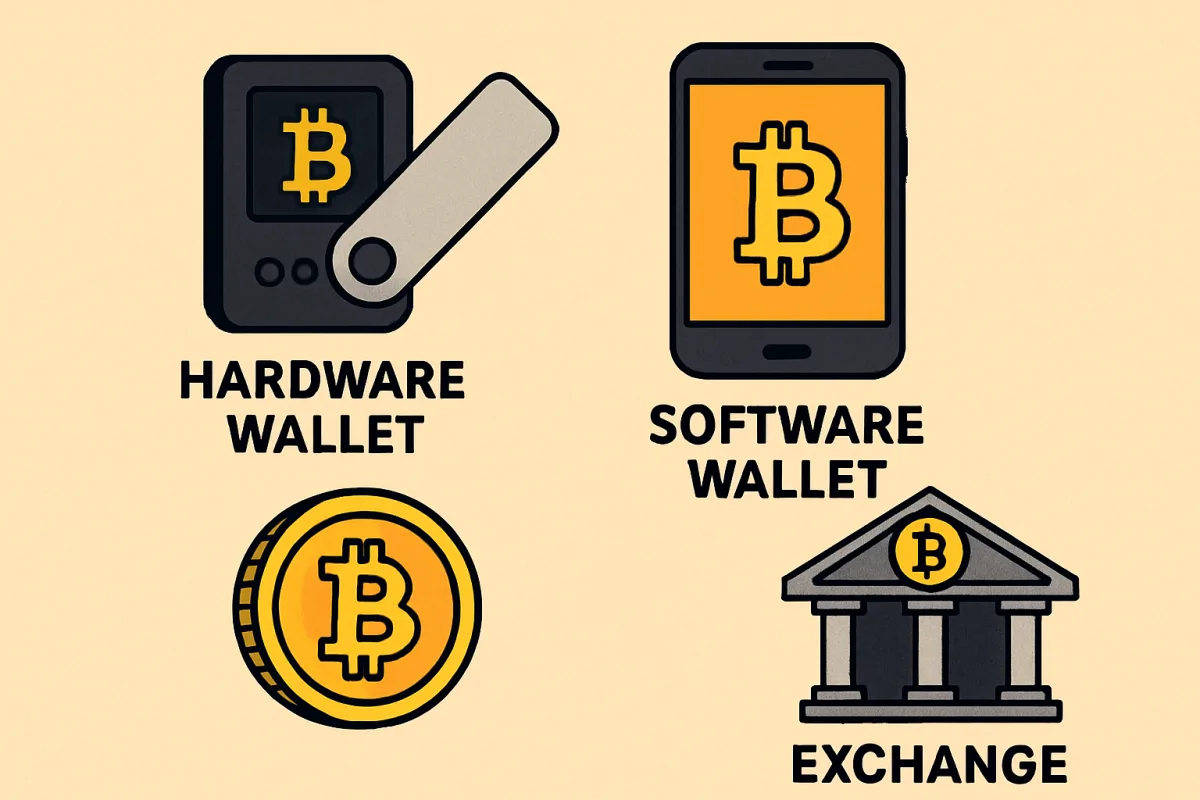
Storing Bitcoin securely is crucial for beginners to protect their investment. The best options include hardware wallets like Ledger Nano S, which offers robust security and is user-friendly. Software wallets such as Exodus provide a balance of convenience and security, while exchanges like Coinbase offer easy access but come with higher risks. Each option has its pros and cons, depending on your security needs and how often you plan to access your Bitcoin.
Quick Summary
Understanding how to store Bitcoin is essential for beginners. Hardware wallets like Ledger Nano S are excellent for long-term security, while software wallets such as Exodus offer ease of use. Exchanges like Coinbase provide quick access but may expose you to risks. Choosing the right storage method depends on your investment strategy and security preferences.
Curator Notes
For beginners, the first step in storing Bitcoin is understanding the different types of wallets available. Hardware wallets, such as the Ledger Nano S, are often recommended for their high level of security. They store your private keys offline, making them less susceptible to hacks.
However, they require a bit of a learning curve to set up and use effectively. Software wallets, like Exodus, provide a more user-friendly experience. They allow for quick transactions and easy access to your Bitcoin.
While they offer convenience, they are connected to the internet, which makes them more vulnerable to cyber threats. It's essential to choose a reputable software wallet and enable all available security features. Exchanges, such as Coinbase, are another option for storing Bitcoin.
They are convenient for buying and selling but are not the most secure choice for long-term storage. Keeping your Bitcoin on an exchange exposes you to risks like hacking and potential insolvency of the exchange. If you choose this route, consider transferring your Bitcoin to a more secure wallet after purchase.
Another factor to consider is the frequency of your transactions. If you plan to trade often, a software wallet or an exchange might be more suitable. However, if you intend to hold your Bitcoin for the long term, a hardware wallet is the safer option.
Always remember to back up your wallet and keep your recovery phrases secure. Security is paramount when storing Bitcoin. Regardless of the method you choose, ensure that you implement strong passwords and two-factor authentication where possible.
Regularly updating your software wallets and keeping your hardware wallets in a safe place will also help protect your investment. Lastly, educate yourself about potential scams and phishing attempts. The cryptocurrency space can be rife with fraud, and being aware of common tactics can help you avoid losing your Bitcoin.
Engage with reputable communities and forums to stay informed about best practices in Bitcoin storage.
Recommended Options
- Ledger Nano S: Best for long-term storage and security Offers offline storage of private keys, making it highly secure against hacks. Signal checked: Widely recommended by experts and has a strong user base. Alternative to consider: Trezor Model One for similar security features.
- Exodus: Best for ease of use and accessibility User-friendly interface and supports multiple cryptocurrencies. Signal checked: Positive reviews for its design and functionality. Alternative to consider: Atomic Wallet for a similar user experience.
- Coinbase: Best for quick access and trading Easy to use for buying and selling Bitcoin. Signal checked: One of the most popular exchanges with a large user base. Alternative to consider: Binance for a wider range of cryptocurrencies.
Best Sources
Videos and Community Signals
The Ledger Flex is one of my favorite cold wallets. Buy it using my link & get $10 in FREE Bitcoin: https://cyberscrilla.short.gy/oljVgI ...
Learn the difference between hot vs cold wallets and how they secure your crypto in this video. Related Videos Partial VS Fully ...
Comparison
| Decision Point | Good Starting Choice | When to Go Further |
|---|---|---|
| Security Level | Software wallets like Exodus for casual users. | Hardware wallets like Ledger Nano S for serious investors. |
| Ease of Access | Exchanges like Coinbase for quick trades. | Software wallets for regular transactions with added security. |
| Long-term Storage | Use hardware wallets for maximum security. | Consider cold storage solutions for ultimate protection. |
FAQ
The safest way to store Bitcoin is using a hardware wallet, as it keeps your private keys offline.
While you can store Bitcoin on an exchange for convenience, it is not recommended for long-term storage due to security risks.
If you lose your wallet, recovery depends on whether you have a backup of your private keys or recovery phrase.