Start A Startup From Scratch
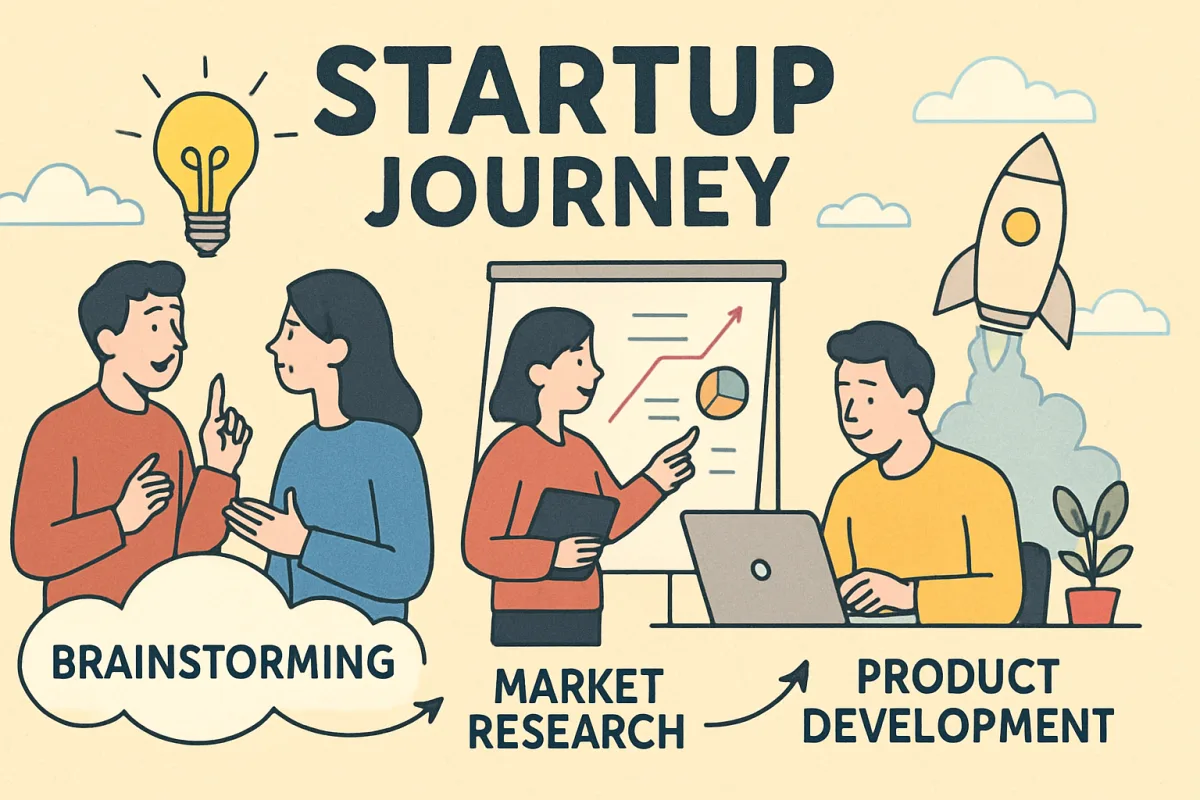
Starting a startup from scratch involves several key steps: identifying a viable business idea, conducting market research, creating a business plan, securing funding, and launching your product or service. Focus on validating your idea through customer feedback and iterating based on that input. Networking with other entrepreneurs can also provide valuable insights and support. Each step requires careful planning and execution to increase your chances of success in a competitive landscape.
Quick Summary
Launching a startup from the ground up requires a structured approach. Begin by identifying a business idea that addresses a specific market need. Conduct thorough market research to validate your concept and understand your target audience. Develop a comprehensive business plan that outlines your strategy, financial projections, and marketing approach. Securing funding is crucial, whether through personal savings, investors, or loans. Finally, focus on product development and customer feedback to refine your offering before launch.
Curator Notes
Starting a startup from scratch is an exciting yet challenging endeavor. The first step is to identify a business idea that not only excites you but also addresses a genuine market need. This often involves brainstorming, researching trends, and considering your own skills and passions.
A strong idea is the foundation of your startup, so take the time to refine it before moving forward. Once you have a viable idea, conducting thorough market research is essential. This involves analyzing competitors, understanding your target audience, and identifying gaps in the market.
Surveys, interviews, and focus groups can provide valuable insights into customer preferences and pain points. This research will help you validate your idea and adjust your approach accordingly. Next, creating a detailed business plan is crucial.
This document should outline your business model, marketing strategy, financial projections, and operational plans. A well-structured business plan not only guides your startup's direction but is also vital for attracting investors or securing loans. Be prepared to revise this plan as you gather more information and feedback.
Securing funding is often one of the most daunting aspects of starting a business. Consider various options such as personal savings, crowdfunding, angel investors, or small business loans. Each option has its pros and cons, so weigh them carefully based on your startup's needs and your personal financial situation.
Building a strong pitch that clearly communicates your vision and potential can significantly enhance your chances of securing funding. Once funding is in place, focus on product development. This is where you turn your idea into a tangible offering.
Engage potential customers early in the process to gather feedback and make necessary adjustments. This iterative approach can help you create a product that truly meets market demands. Networking with other entrepreneurs and industry experts can provide invaluable support and guidance.
Attend startup events, join entrepreneurial groups, and seek mentorship opportunities. These connections can lead to partnerships, funding opportunities, and insights that can help you navigate the challenges of starting a business. Finally, prepare for your launch.
Develop a marketing strategy that effectively communicates your value proposition to your target audience. Utilize social media, content marketing, and other channels to build anticipation and attract early customers. Remember that the launch is just the beginning; continuous improvement based on customer feedback will be key to your long-term success.
Best Sources
Videos and Community Signals
How to Actually Start Your Own Business (No-Bs Guide) Starting a business can be tough, but with the right business tips, anyone ...
Support me on my mission to help people pursue their dreams by pre-ordering my book: https://go.simonsquibb.com/preorder If ...
Comparison
| Decision Point | Good Starting Choice | When to Go Further |
|---|---|---|
| Online booking | A simple booking page with service duration, staff assignment and confirmation emails. | Multi-location calendars, deposits, cancellation rules and waitlist handling. |
| Client records | Basic notes, visit history and contact details are enough to start. | Segmentation, purchase history, memberships, forms and before-after notes become more important. |
| Reminders | SMS or email reminders help reduce no-shows without adding admin work. | Automated rebooking, follow-up campaigns and missed-appointment recovery matter more. |
| Payments | Card capture and checkout should be simple and transparent. | Packages, memberships, staff commissions, tips and refunds need cleaner reporting. |
| Marketing | Light email or SMS campaigns are useful if they are easy to run. | Automated win-back, birthday offers, review requests and audience segments create more leverage. |
FAQ
The first step is to identify a viable business idea that addresses a specific market need.
Market research is crucial for validating your idea and understanding your target audience.
A business plan should outline your business model, marketing strategy, financial projections, and operational plans.
Funding can be secured through personal savings, crowdfunding, angel investors, or small business loans.
Networking can provide support, partnerships, and insights that are invaluable for navigating startup challenges.