Spot Treatments That Actually Work
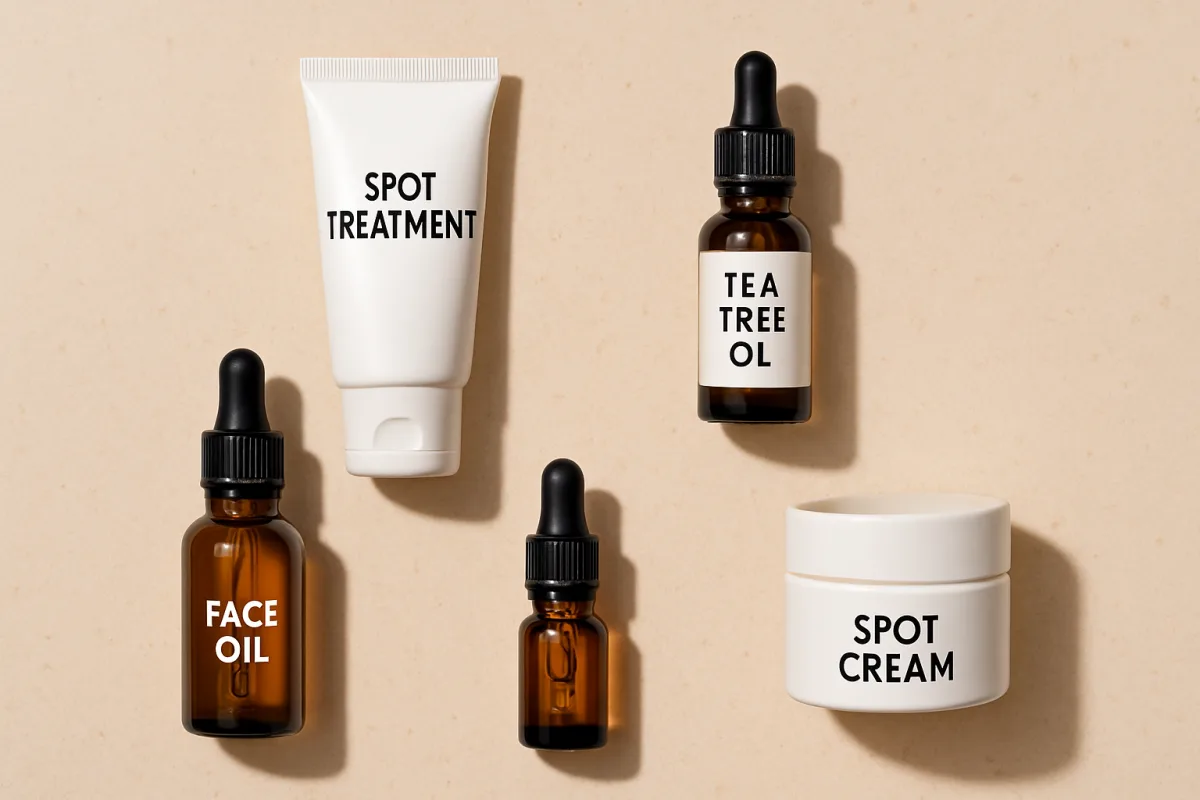
Effective spot treatments can help target blemishes and acne. Popular options include benzoyl peroxide, salicylic acid, and tea tree oil. Benzoyl peroxide is known for its antibacterial properties, while salicylic acid helps exfoliate and unclog pores. Tea tree oil, a natural alternative, has anti-inflammatory benefits. Each option varies in strength and suitability, so it's essential to choose based on your skin type and the severity of your acne.
Quick Summary
Spot treatments are crucial for managing acne and blemishes. Key products like benzoyl peroxide, salicylic acid, and tea tree oil stand out for their effectiveness. Choosing the right treatment depends on your skin type and specific needs. This guide will explore various options and their benefits.
Curator Notes
Spot treatments are designed to target specific areas of the skin affected by acne or blemishes. The most effective treatments often contain active ingredients like benzoyl peroxide, salicylic acid, or natural alternatives like tea tree oil. Benzoyl peroxide works by killing bacteria and reducing inflammation, making it a popular choice for those with moderate to severe acne.
However, it can be drying, so it’s best suited for oily skin types. Salicylic acid, on the other hand, is a beta hydroxy acid that helps exfoliate the skin and unclog pores. It’s gentler than benzoyl peroxide and is often recommended for sensitive skin.
Tea tree oil is a natural remedy known for its antibacterial and anti-inflammatory properties, making it a great option for those looking for a more holistic approach. Each treatment has its pros and cons, and understanding your skin type is crucial in selecting the right one.
Recommended Options
- Neutrogena Benzoyl Peroxide Treatment: Best for Moderate to severe acne Highly effective in killing acne-causing bacteria. Signal checked: Widely recommended by dermatologists and has numerous positive reviews. Alternative to consider: Salicylic Acid Treatment
- Paula's Choice Salicylic Acid Treatment: Best for Sensitive skin and mild acne Gentle exfoliation helps clear pores without excessive dryness. Signal checked: Popular among users with sensitive skin and praised for its effectiveness. Alternative to consider: Benzoyl Peroxide Treatment
- The Body Shop Tea Tree Oil: Best for Natural skincare enthusiasts Natural anti-inflammatory properties make it ideal for mild acne. Signal checked: Positive feedback from users looking for natural remedies. Alternative to consider: Benzoyl Peroxide Treatment
Best Sources
Videos and Community Signals
Still breaking out in your 40s, 50s, or beyond? You're not alone—and no, it's not just “teenage skin coming back.” This is hormonal ...
First, thanks to BetterHelp for sponsoring this video. Use the link https://www.betterhelp.com/doctorly to receive 10% off. We do not ...
Comparison
| Decision Point | Good Starting Choice | When to Go Further |
|---|---|---|
| Effectiveness | Salicylic Acid Treatment for mild acne. | Benzoyl Peroxide Treatment for severe acne. |
| Skin Type Suitability | Salicylic Acid for sensitive skin. | Benzoyl Peroxide for oily skin. |
| Natural vs. Synthetic | Tea Tree Oil for natural treatment. | Benzoyl Peroxide for fast results. |
FAQ
It's generally recommended to apply spot treatments 1-2 times daily, depending on the product's strength and your skin's tolerance.
It's best to avoid using multiple spot treatments simultaneously, as this can irritate the skin. Choose one that best suits your needs.
Yes, natural treatments like tea tree oil can be effective for mild acne and are often gentler on the skin.