Sodium in Food: What to Watch For
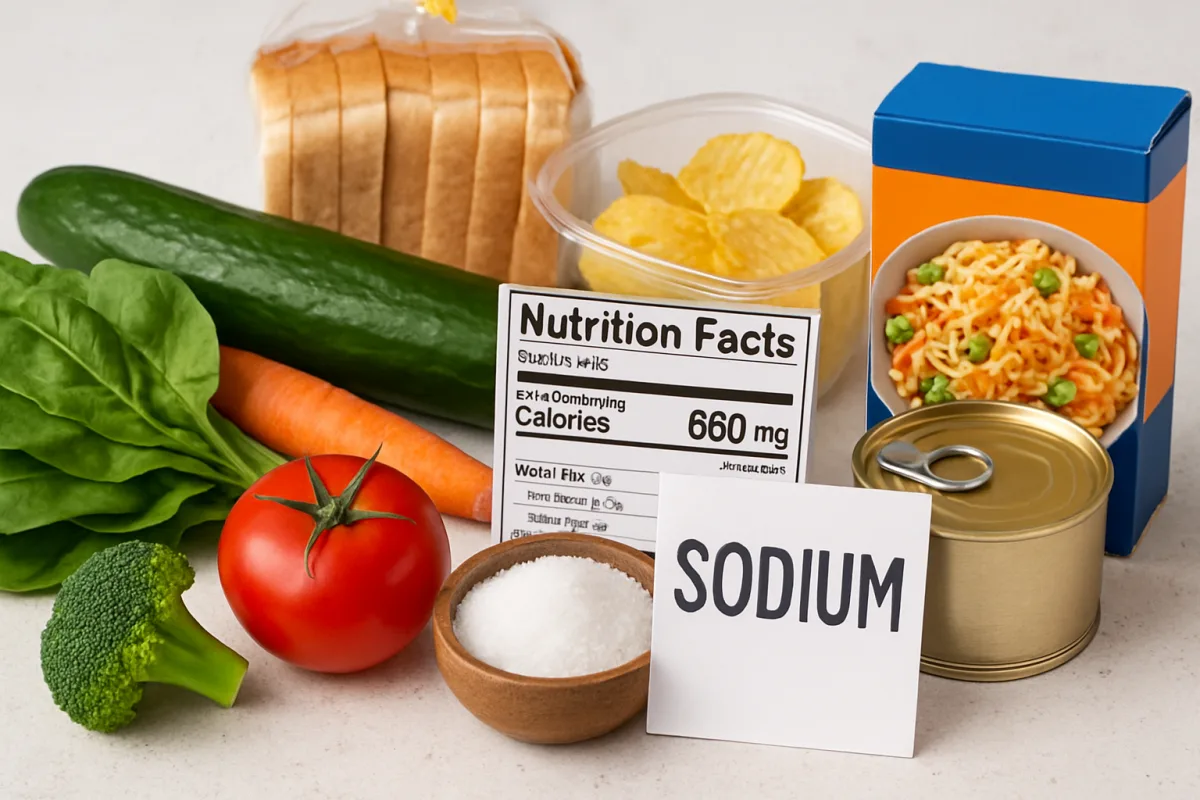
Sodium is an essential mineral that helps maintain fluid balance, nerve function, and muscle contraction. However, excessive sodium intake can lead to health issues such as hypertension and cardiovascular diseases. Monitoring sodium levels in food, especially in processed items, is crucial. Aim for a daily intake of less than 2,300 mg, or ideally 1,500 mg for optimal health.
Quick Summary
Understanding sodium in food is vital for health. While necessary for bodily functions, excessive intake can lead to serious health issues. Monitoring sodium levels, particularly in processed foods, is essential for a balanced diet.
Curator Notes
Sodium plays a critical role in various bodily functions, including maintaining fluid balance and supporting nerve and muscle function. However, the typical Western diet often exceeds recommended sodium levels, primarily due to processed and packaged foods that contain hidden sodium. This excess can lead to hypertension, heart disease, and other health complications.
To manage sodium intake effectively, it's important to read food labels carefully. Many foods, especially those labeled as 'low-fat' or 'healthy,' can still contain high sodium levels. Cooking at home using fresh ingredients and herbs can help control sodium consumption.
Additionally, being aware of sodium-rich foods like canned soups, deli meats, and snack foods can aid in making healthier choices.
Best Sources
Videos and Community Signals
Has your doctor said you need to be on a low sodium diet? Are you having medical problems that could improve with a low salt ...
Sodium is a crucial mineral that the human body requires to function properly. It plays a vital role in maintaining fluid balance, ...
Comparison
| Decision Point | Good Starting Choice | When to Go Further |
|---|---|---|
| Sodium content in processed foods | Choose fresh vegetables and fruits to minimize sodium intake. | Opt for low-sodium or no-salt-added versions of canned goods. |
| Reading food labels | Look for products with less than 140 mg of sodium per serving. | Understand that sodium can be listed under different names like monosodium glutamate (MSG). |
| Cooking methods | Use herbs and spices instead of salt for flavoring. | Experiment with salt substitutes that contain potassium. |
FAQ
High sodium intake can lead to hypertension, heart disease, and stroke.
Opt for fresh foods, read labels, and use herbs for seasoning instead of salt.
The recommended daily intake is less than 2,300 mg, ideally 1,500 mg for optimal health.