Smart Thermostats Worth Installing
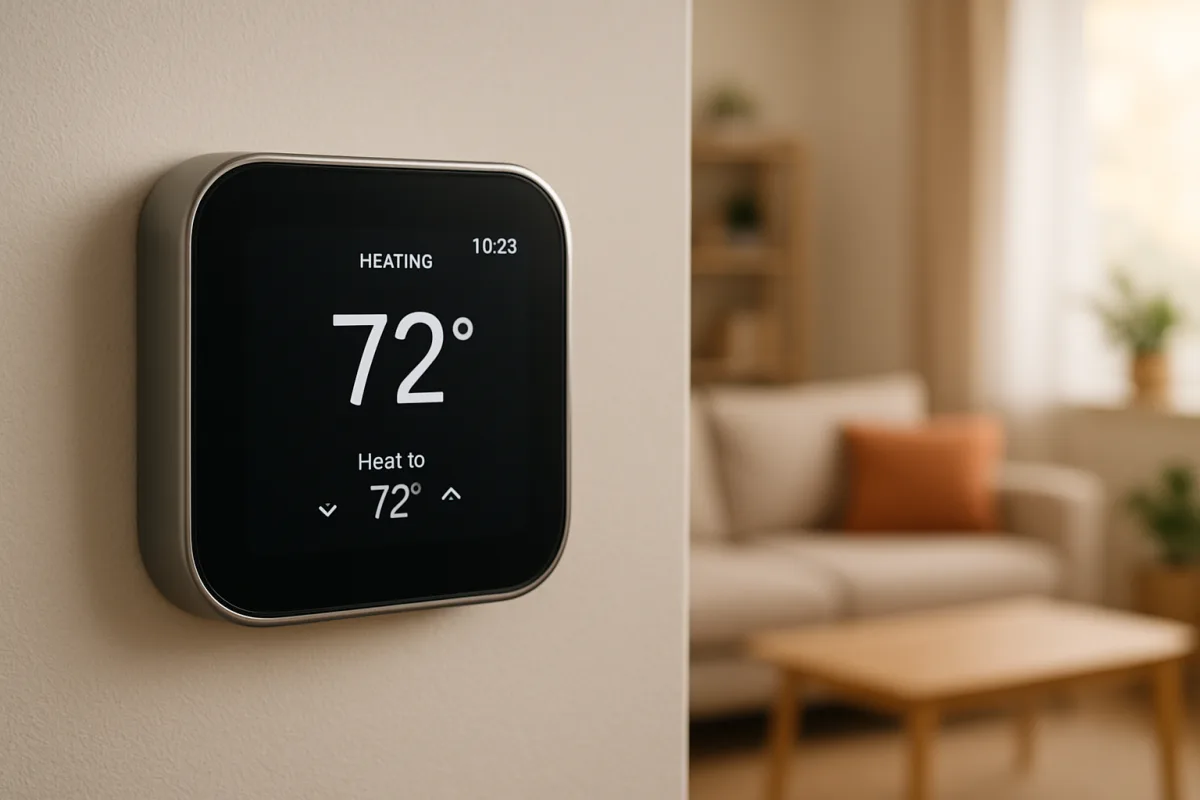
Smart thermostats are advanced devices that optimize home heating and cooling, offering energy savings and convenience. Notable options include the Nest Learning Thermostat, Ecobee SmartThermostat, and Honeywell Home T9. Each offers unique features tailored to different user needs, such as learning capabilities, remote sensors, and compatibility with smart home systems. Choosing the right one depends on your specific requirements, such as budget, home size, and desired features.
Quick Summary
Smart thermostats enhance energy efficiency and comfort in homes. Key players include Nest, Ecobee, and Honeywell, each offering distinct features. This guide explores the best options available, helping you make an informed decision based on your needs.
Curator Notes
Smart thermostats represent a significant advancement in home automation, allowing users to control their heating and cooling systems remotely. These devices learn from your habits, adjusting temperatures automatically to optimize energy use and enhance comfort. For instance, the Nest Learning Thermostat can adapt to your schedule over time, while the Ecobee SmartThermostat includes remote sensors to manage temperature in different rooms, making it ideal for larger homes.
When choosing a smart thermostat, consider factors such as compatibility with your HVAC system, ease of installation, and additional features like voice control or energy reports. The Honeywell Home T9, for example, offers a user-friendly interface and robust app support, making it a great choice for tech-savvy users. Ultimately, the best smart thermostat for you will depend on your specific needs, including your home's layout, your budget, and how much control you want over your heating and cooling systems.
Recommended Options
- Nest Learning Thermostat: Best for Users who want a self-learning thermostat Learns your schedule and preferences for optimal energy savings. Signal checked: Highly rated for user-friendliness and energy efficiency. Alternative to consider: Ecobee SmartThermostat
- Ecobee SmartThermostat: Best for Larger homes needing room-specific temperature control Includes remote sensors for multiple rooms. Signal checked: Popular for its flexibility and smart home integration. Alternative to consider: Nest Learning Thermostat
- Honeywell Home T9: Best for Users looking for a straightforward setup User-friendly interface with good app support. Signal checked: Well-reviewed for ease of use and functionality. Alternative to consider: Ecobee SmartThermostat
Best Sources
Videos and Community Signals
In this video, Ask This Old House home technology expert Ross Trethewey explains everything there is to know about modern ...
Adding a smart thermostat in your home is simple DIY project that can have huge results. Smart thermostat have many features ...
Comparison
| Decision Point | Good Starting Choice | When to Go Further |
|---|---|---|
| Learning capability | Basic scheduling features | Self-learning algorithms for energy optimization |
| Room sensors | Single-zone control | Multiple sensors for room-specific adjustments |
| Smart home compatibility | Works with basic smart home systems | Integrates with a wide range of smart devices |
FAQ
A smart thermostat is a device that allows for remote control of your home's heating and cooling systems, often learning your habits to optimize energy use.
Installation typically involves replacing your old thermostat and connecting it to your Wi-Fi network. Many models come with detailed instructions and support.
Yes, they can lead to significant energy savings and increased comfort, often paying for themselves over time.