Smart Contracts Explained Simply
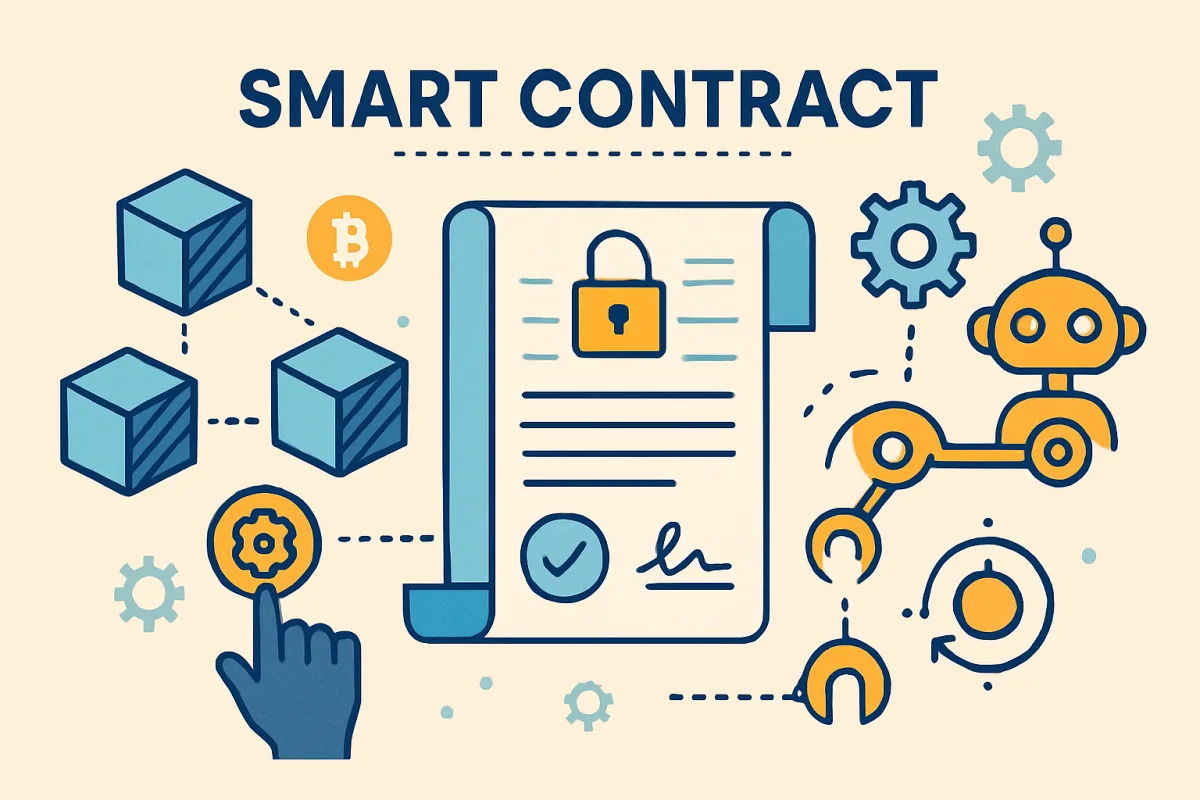
Smart contracts are self-executing contracts with the terms of the agreement directly written into code. They operate on blockchain technology, ensuring transparency, security, and automation. By eliminating intermediaries, smart contracts can reduce costs and increase efficiency in various applications, such as finance, supply chain, and legal agreements.
Quick Summary
Smart contracts are automated agreements executed on blockchain technology. They enhance security and efficiency by eliminating intermediaries and ensuring transparency. This guide explains their functionality, benefits, and applications across various industries.
Curator Notes
Smart contracts are digital protocols that facilitate, verify, or enforce the negotiation or performance of a contract. They are stored on a blockchain, which is a decentralized ledger that records transactions across many computers. This technology ensures that the contract is immutable and tamper-proof, providing a high level of security and trust among parties involved.
The primary advantage of smart contracts is their ability to automate processes. Once the predefined conditions are met, the contract executes automatically without the need for human intervention. This not only speeds up transactions but also reduces the risk of errors and fraud.
Industries such as finance, real estate, and supply chain management are increasingly adopting smart contracts to streamline operations and enhance accountability. However, while smart contracts offer numerous benefits, they also come with challenges. Issues such as coding errors, legal recognition, and the need for clear terms can complicate their implementation.
As the technology evolves, ongoing discussions about regulatory frameworks and best practices will be crucial for their widespread adoption.
Best Sources
Videos and Community Signals
What are smart contracts and what do they have to do with blockchains and cryptocurrencies? Well, let's find in plain English!
What are smart contracts? #crypto #bitcoin #cryptocurrency #blockchain #ethereum #btc #smartcontracts #cryptocurrencies ...
Comparison
| Decision Point | Good Starting Choice | When to Go Further |
|---|---|---|
| Online booking | A simple booking page with service duration, staff assignment and confirmation emails. | Multi-location calendars, deposits, cancellation rules and waitlist handling. |
| Client records | Basic notes, visit history and contact details are enough to start. | Segmentation, purchase history, memberships, forms and before-after notes become more important. |
| Reminders | SMS or email reminders help reduce no-shows without adding admin work. | Automated rebooking, follow-up campaigns and missed-appointment recovery matter more. |
| Payments | Card capture and checkout should be simple and transparent. | Packages, memberships, staff commissions, tips and refunds need cleaner reporting. |
| Marketing | Light email or SMS campaigns are useful if they are easy to run. | Automated win-back, birthday offers, review requests and audience segments create more leverage. |
FAQ
Smart contracts are self-executing contracts with the terms of the agreement directly written into code, operating on blockchain technology.
They offer enhanced security, reduced costs, increased efficiency, and transparency by eliminating intermediaries.
Smart contracts are used in finance, real estate, supply chain management, and legal agreements, among others.
Challenges include coding errors, legal recognition, and the need for clear terms to avoid disputes.