Sleep Optimization for Performance
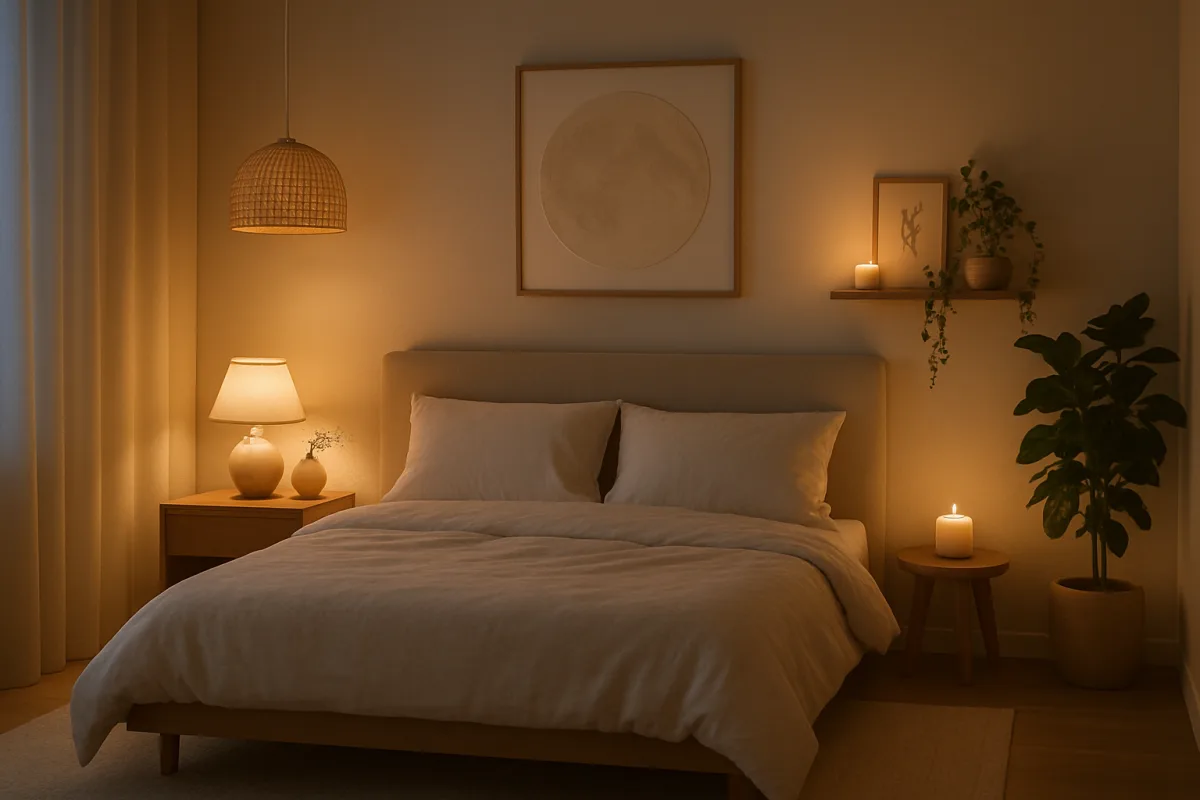
Optimizing sleep for performance involves several strategies that can enhance both physical and mental capabilities. Key methods include establishing a consistent sleep schedule, creating a restful environment, and utilizing techniques such as mindfulness or relaxation exercises before bed. Additionally, monitoring sleep quality through apps or wearable devices can provide insights into patterns and help identify areas for improvement. Prioritizing sleep hygiene—like limiting screen time before bed and avoiding caffeine in the afternoon—also plays a crucial role in achieving restorative sleep.
Quick Summary
Effective sleep optimization is essential for peak performance in both physical and cognitive tasks. A consistent sleep schedule, a conducive sleep environment, and relaxation techniques are foundational strategies. Monitoring sleep quality with technology can further enhance understanding and improvement. Prioritizing sleep hygiene, including reducing screen exposure and managing caffeine intake, is vital for achieving restorative sleep. These practices collectively contribute to better overall performance and well-being.
Curator Notes
Sleep optimization is critical for anyone looking to enhance their performance, whether in sports, academics, or daily life. Establishing a consistent sleep schedule is one of the most effective strategies. Going to bed and waking up at the same time every day helps regulate your body's internal clock, making it easier to fall asleep and wake up refreshed.
This consistency can significantly improve sleep quality over time, leading to better focus and energy levels throughout the day. Creating a restful sleep environment is equally important. This includes keeping your bedroom dark, cool, and quiet.
Consider using blackout curtains, white noise machines, or earplugs to minimize disruptions. The right mattress and pillow can also make a significant difference in comfort, which directly impacts sleep quality. Investing in quality bedding can be a game-changer for those struggling with sleep.
Incorporating relaxation techniques before bed can further enhance sleep quality. Practices such as mindfulness meditation, deep breathing exercises, or gentle yoga can help calm the mind and prepare the body for sleep. These activities reduce stress and anxiety, which are common barriers to falling asleep.
Even a short 10-15 minute routine can be beneficial. Monitoring sleep quality through apps or wearable devices can provide valuable insights into your sleep patterns. These tools can help identify issues such as restless sleep or frequent awakenings, allowing you to make informed adjustments.
Many devices also offer personalized recommendations based on your data, which can be incredibly helpful for fine-tuning your sleep habits. Prioritizing sleep hygiene is crucial for optimizing performance. This includes limiting screen time at least an hour before bed, as blue light emitted from devices can interfere with melatonin production.
Additionally, being mindful of caffeine and alcohol consumption is essential; both can disrupt sleep if consumed too close to bedtime. Establishing a calming pre-sleep routine can signal to your body that it's time to wind down. Finally, it's important to recognize that individual needs may vary.
Some people may require more sleep than others, and factors such as age, lifestyle, and overall health can influence sleep requirements. Listening to your body and adjusting your habits accordingly is key to finding the optimal balance for performance enhancement.
Recommended Options
- Oura Ring: Best for Individuals seeking detailed sleep insights Offers comprehensive sleep tracking and health metrics in a discreet design. Signal checked: Highly rated for accuracy and user-friendly interface. Alternative to consider: Fitbit Charge 5
- Sleep Cycle: Best for Users looking for smart alarm features Analyzes sleep patterns and wakes you during the lightest sleep phase. Signal checked: Popular among users for improving wake-up experience. Alternative to consider: Pillow App
- Hatch Restore: Best for Those wanting a holistic sleep solution Combines smart light and sound features to create a calming bedtime routine. Signal checked: Well-reviewed for its effectiveness in promoting better sleep habits. Alternative to consider: Philips Wake-Up Light
Best Sources
Videos and Community Signals
Sleep will give you superpowers. It's the cornerstone of my Blueprint routine, and the most important thing I do every day. Start ...
DM me "POWR" on Instagram for 1-1 help - https://www.instagram.com/simonthomsen We help entrepreneurs get in fit, healthy ...
Comparison
| Decision Point | Good Starting Choice | When to Go Further |
|---|---|---|
| Sleep Tracking Accuracy | Basic sleep tracking apps | Wearable devices with advanced metrics |
| Ease of Use | Simple alarm apps | Comprehensive sleep management tools |
| Cost | Free or low-cost apps | Premium devices with extensive features |
FAQ
Most adults require 7-9 hours of sleep per night for optimal performance, but individual needs may vary.
Common practices include maintaining a consistent sleep schedule, creating a comfortable sleep environment, and avoiding screens before bedtime.
Yes, short naps (20-30 minutes) can enhance alertness and performance without causing sleep inertia.