Skincare Ingredients to Avoid
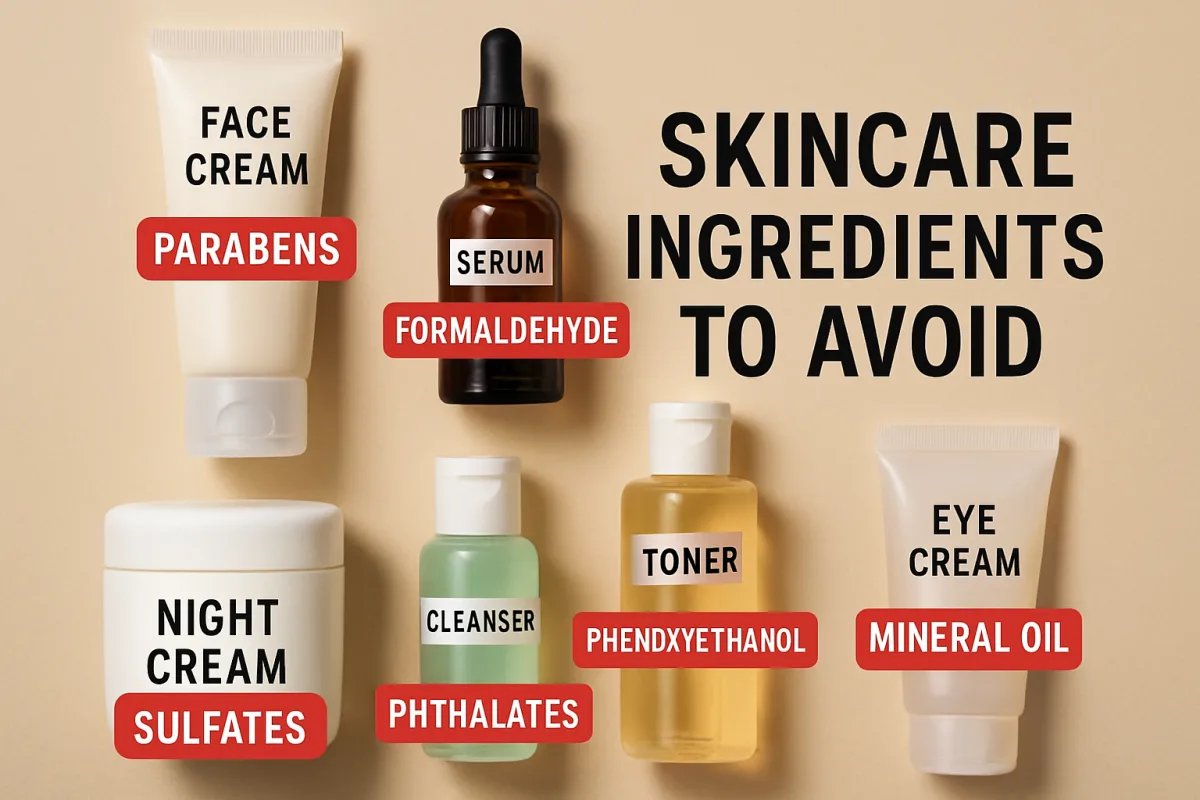
When it comes to skincare, certain ingredients can cause irritation, allergic reactions, or long-term damage. Common ingredients to avoid include parabens, sulfates, and synthetic fragrances. Parabens are preservatives that can disrupt hormone function, while sulfates can strip skin of its natural oils. Synthetic fragrances often lead to allergic reactions, making them a poor choice for sensitive skin. Always check labels and opt for products with natural alternatives.
Quick Summary
Understanding which skincare ingredients to avoid is crucial for maintaining healthy skin. Ingredients like parabens, sulfates, and synthetic fragrances can cause irritation and long-term damage. This guide will help you identify harmful components and make informed choices for your skincare routine.
Curator Notes
Navigating the world of skincare can be overwhelming, especially with the myriad of ingredients listed on product labels. Some ingredients, while common, can have adverse effects on your skin health. Parabens, for instance, are widely used preservatives that can mimic estrogen in the body, potentially leading to hormonal imbalances.
This makes them particularly concerning for long-term use, especially in products applied daily. Sulfates, such as sodium lauryl sulfate (SLS), are often found in cleansers and shampoos. They are effective at removing dirt and oil, but can also strip the skin of its natural moisture, leading to dryness and irritation.
Additionally, synthetic fragrances, which are prevalent in many skincare products, can trigger allergic reactions and sensitivities, particularly in individuals with sensitive skin. Opting for fragrance-free or naturally scented products can mitigate these risks. To ensure you are making the best choices for your skin, always read ingredient labels carefully.
Look for products that prioritize natural ingredients and are free from harmful additives. By being informed and cautious, you can significantly improve your skincare routine and overall skin health.
Recommended Options
- CeraVe Hydrating Cleanser: Best for Sensitive skin types Contains ceramides and hyaluronic acid without sulfates. Signal checked: Highly rated for its gentle formula and effectiveness. Alternative to consider: Neutrogena Hydro Boost Gel Cleanser
- The Ordinary Niacinamide 10% + Zinc 1%: Best for Oily and acne-prone skin Free from parabens and sulfates, focuses on skin barrier support. Signal checked: Popular among skincare enthusiasts for its effectiveness. Alternative to consider: Paula's Choice 10% Niacinamide Booster
- La Roche-Posay Toleriane Double Repair Face Moisturizer: Best for Dry and sensitive skin Contains prebiotic thermal water and is free from fragrances. Signal checked: Clinically tested and recommended by dermatologists. Alternative to consider: Aveeno Ultra-Calming Nourishing Night Cream
Best Sources
Videos and Community Signals
Plastics, formaldehyde, tar and even gasoline are all ingredients in some everyday skincare products. Naturopathic doctor Dr.
We discuss our opinions on popular skincare ingredients. Are these popular ingredients like vitamin C, niacinamide, and ...
Comparison
| Decision Point | Good Starting Choice | When to Go Further |
|---|---|---|
| Skin Type Compatibility | Gentle cleansers for sensitive skin | Targeted treatments for oily or acne-prone skin |
| Ingredient Transparency | Products with simple, recognizable ingredients | Formulations with advanced actives like niacinamide or retinol |
| Fragrance-Free Options | Basic moisturizers without added scents | Specialized products with natural essential oils for added benefits |
FAQ
Parabens are preservatives that can mimic estrogen, potentially disrupting hormonal balance. Avoiding them can reduce health risks.
Sulfates can strip natural oils from the skin, leading to dryness and irritation, especially for sensitive skin types.
Look for products scented with essential oils or those labeled as fragrance-free to avoid potential irritants.