Set Point Theory Explained Simply
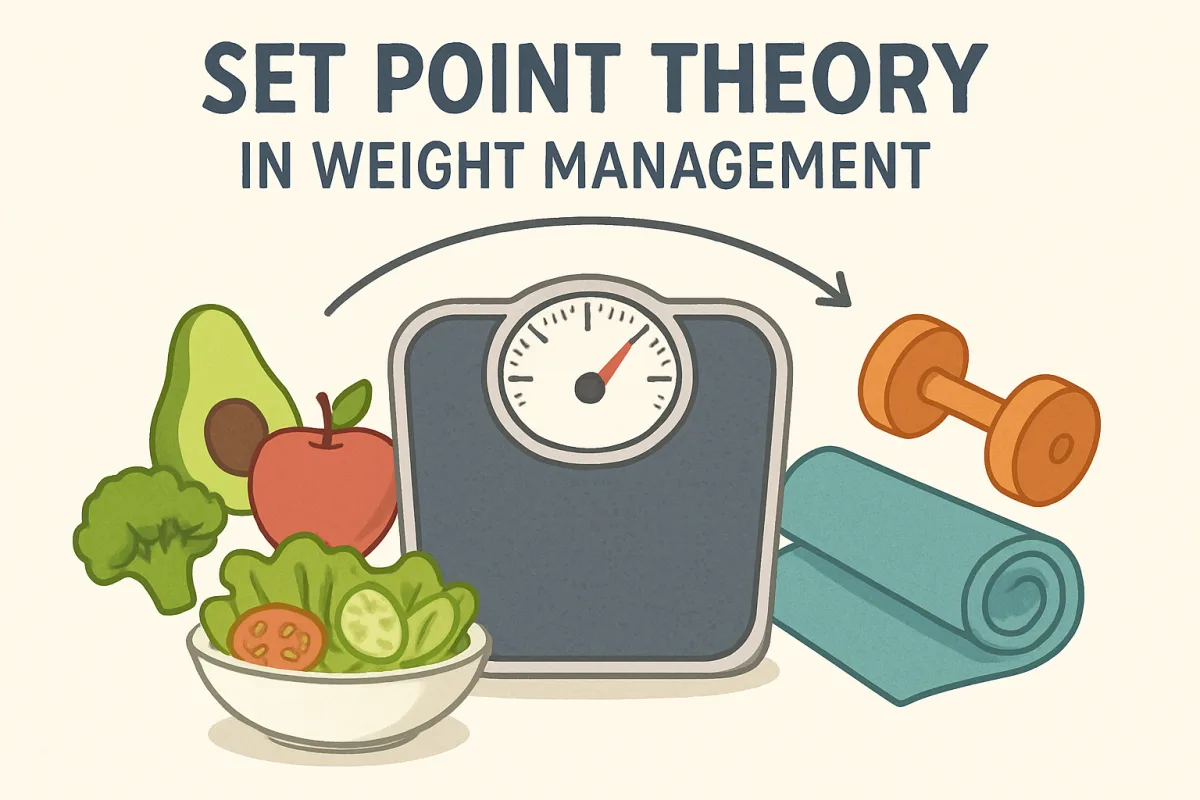
Set Point Theory suggests that each individual has a predetermined weight range that their body strives to maintain. This weight range is influenced by genetics, metabolism, and environmental factors. When a person attempts to lose or gain weight, the body may resist these changes by adjusting metabolism and appetite, making it difficult to maintain weight outside this set point. Understanding this theory can help individuals approach weight management with realistic expectations.
Quick Summary
Set Point Theory posits that our bodies have a natural weight range they aim to maintain, influenced by genetics and lifestyle. This theory explains why weight loss can be challenging, as the body may resist changes to return to its set point. Recognizing this can aid in developing effective weight management strategies.
Curator Notes
Set Point Theory is a concept in weight management that proposes each individual has a specific weight range that their body naturally gravitates towards. This range is not just a matter of willpower or diet; it is deeply rooted in biological and genetic factors. The theory suggests that when a person tries to lose weight, their body may respond by slowing down metabolism and increasing hunger signals, making it challenging to maintain weight loss over time.
Furthermore, the set point can be influenced by various factors, including hormonal changes, lifestyle habits, and environmental conditions. For instance, stress and sleep patterns can affect hormones that regulate appetite and metabolism. Understanding these dynamics can empower individuals to adopt healthier habits without the unrealistic expectation of drastic weight changes, focusing instead on long-term wellness and stability.
In practical terms, this means that rather than fixating on a specific number on the scale, individuals might benefit from focusing on overall health, fitness, and well-being. Strategies such as balanced nutrition, regular physical activity, and stress management can help support a healthy weight within the individual's set point range.
Best Sources
Videos and Community Signals
Controlling the body's 'fat thermostat', also called the Body Set Weight (BSW) is the most important factor in how to lose weight.
Michelle provides an explanation on set point theory including some fascinating research on how the body has its own way of ...
Comparison
| Decision Point | Good Starting Choice | When to Go Further |
|---|---|---|
| Online booking | A simple booking page with service duration, staff assignment and confirmation emails. | Multi-location calendars, deposits, cancellation rules and waitlist handling. |
| Client records | Basic notes, visit history and contact details are enough to start. | Segmentation, purchase history, memberships, forms and before-after notes become more important. |
| Reminders | SMS or email reminders help reduce no-shows without adding admin work. | Automated rebooking, follow-up campaigns and missed-appointment recovery matter more. |
| Payments | Card capture and checkout should be simple and transparent. | Packages, memberships, staff commissions, tips and refunds need cleaner reporting. |
| Marketing | Light email or SMS campaigns are useful if they are easy to run. | Automated win-back, birthday offers, review requests and audience segments create more leverage. |
FAQ
Set Point Theory suggests that individuals have a natural weight range that their body strives to maintain, influenced by genetics and lifestyle.
When attempting to lose weight, the body may resist changes by adjusting metabolism and increasing hunger, making it difficult to maintain weight loss.
Yes, factors such as significant lifestyle changes, hormonal shifts, or prolonged weight changes can potentially alter an individual's set point.