Serverless Platforms Compared
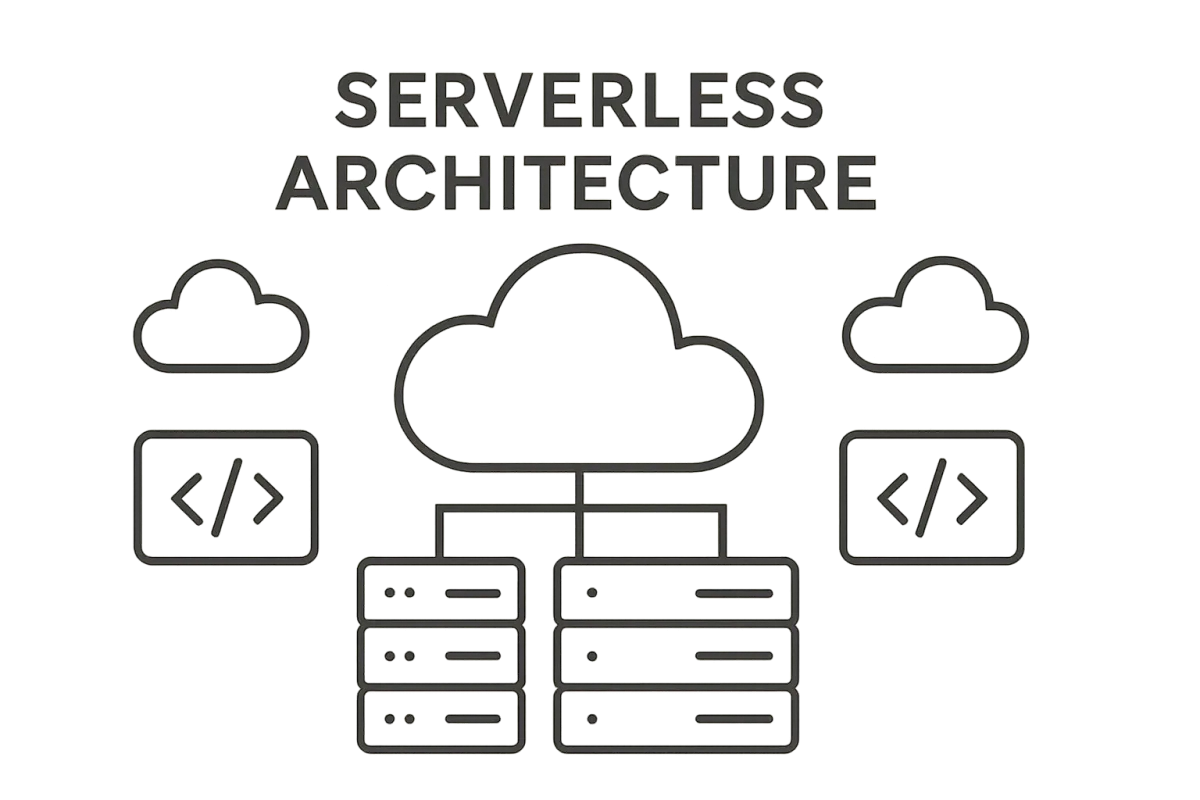
Serverless platforms enable developers to create and deploy applications without the need to manage server infrastructure. Key options include AWS Lambda, Azure Functions, and Google Cloud Functions. AWS Lambda is ideal for extensive AWS service integration, Azure Functions is tailored for enterprise solutions, and Google Cloud Functions is best for lightweight applications. The choice of platform should align with your specific requirements, such as scalability, ease of use, and budget considerations.
Quick Summary
This guide compares leading serverless platforms: AWS Lambda, Azure Functions, and Google Cloud Functions. Each platform offers unique advantages tailored to different use cases and developer preferences. Understanding these distinctions will help you select the most suitable option for your application needs.
Curator Notes
Serverless platforms have revolutionized application development by allowing developers to focus on writing code without worrying about server management. AWS Lambda is a frontrunner in this space, providing seamless integration with a wide array of AWS services, making it a go-to choice for developers already invested in the AWS ecosystem. Its pricing model is based on actual usage, which can be cost-effective for applications with variable workloads.
On the other hand, Azure Functions excels in enterprise environments, offering robust support for Microsoft technologies and tools. It provides a rich set of features for building complex workflows and is particularly beneficial for organizations already using Azure services. Google Cloud Functions, while perhaps less feature-rich than its competitors, is optimized for lightweight applications and is often favored for its simplicity and ease of use, especially for developers looking to quickly deploy microservices.
When selecting a serverless platform, consider factors such as the existing technology stack, the complexity of your applications, and your team's familiarity with the respective ecosystems. Each platform has its strengths and weaknesses, making it essential to align your choice with your specific project requirements.
Recommended Options
- AWS Lambda: Best for Developers using AWS services Extensive integration with AWS ecosystem and flexible pricing based on usage. Signal checked: Widely adopted with a strong community and extensive documentation. Alternative to consider: Azure Functions for enterprise solutions.
- Azure Functions: Best for Enterprise applications and Microsoft tech stack users Rich feature set for building complex workflows and strong integration with Microsoft products. Signal checked: High adoption in enterprise environments and positive reviews for ease of use. Alternative to consider: AWS Lambda for broader service integration.
- Google Cloud Functions: Best for Lightweight applications and microservices Simplicity and ease of use, ideal for quick deployments. Signal checked: Gaining popularity among developers for its straightforward approach. Alternative to consider: AWS Lambda for more extensive features.
Best Sources
Videos and Community Signals
What is Serverless Computing? In just 60 seconds, we break down the basics of serverless computing for beginners! Learn ...
Recently, a Vercel customer was surprised to get a $96K serverless bill after their app went viral. Learn how cloud pricing works ...
Comparison
| Decision Point | Good Starting Choice | When to Go Further |
|---|---|---|
| Integration with existing services | Google Cloud Functions for lightweight apps | AWS Lambda for extensive AWS service integration |
| Enterprise support | Azure Functions for Microsoft tech stack | AWS Lambda for broader enterprise solutions |
| Ease of use | Google Cloud Functions for quick deployments | Azure Functions for complex workflows |
FAQ
A serverless platform allows developers to build and run applications without managing server infrastructure, enabling automatic scaling and reduced operational overhead.
Consider your existing technology stack, the complexity of your applications, and factors like scalability, ease of use, and pricing models.