Series A vs Seed Round Differences
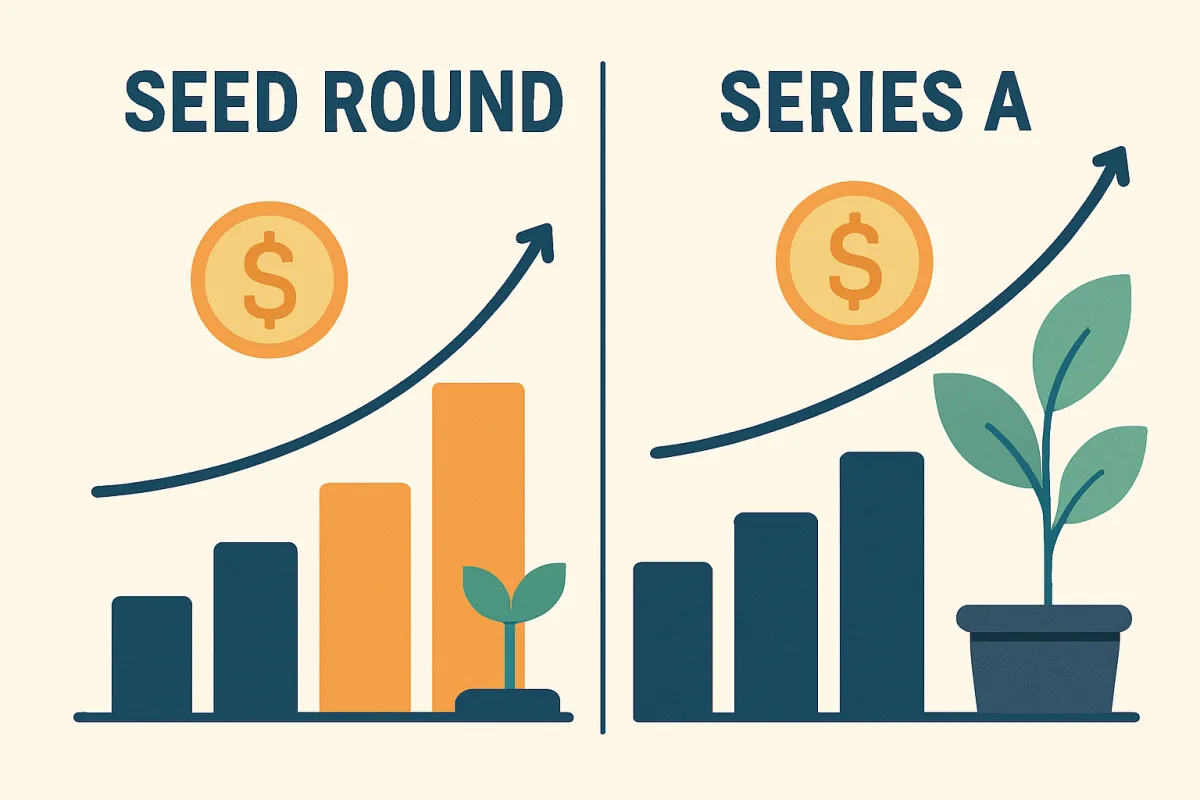
The primary difference between a Seed Round and a Series A funding round lies in the stage of the startup and the amount of capital raised. Seed funding is typically the first round of financing, aimed at developing a business idea and product, while Series A is for scaling the business after initial traction. Seed rounds usually raise smaller amounts, often under $2 million, whereas Series A can range from $2 million to $15 million or more, depending on the startup's growth potential and market conditions.
Quick Summary
Understanding the differences between Seed Rounds and Series A funding is crucial for entrepreneurs. Seed funding helps startups develop their ideas and products, while Series A is focused on scaling operations after initial success. This guide will explore the key distinctions, funding amounts, and strategic implications of each round.
Curator Notes
Seed rounds are typically the first formal round of funding for startups, often involving angel investors or early-stage venture capitalists. The primary goal during this phase is to validate the business concept and develop a minimum viable product (MVP). Funding amounts can vary, but they generally range from $100,000 to $2 million.
Investors in this round are usually more tolerant of risk, as they are betting on the potential of the idea and the founding team rather than proven metrics. In contrast, Series A funding occurs after a startup has demonstrated some level of market traction, such as user growth or revenue generation. This round aims to scale the business and expand its market presence.
Series A rounds typically raise between $2 million and $15 million, attracting venture capital firms that seek to invest in companies with a clear path to profitability. The focus shifts from product development to scaling operations, marketing, and hiring key personnel. Understanding these differences is vital for entrepreneurs seeking to navigate the funding landscape effectively.
Best Sources
Videos and Community Signals
See a much more recent version of this video here: https://youtu.be/78Zxx3o55PM Are you raising capital for your startup?
Slidebean helps founders navigate fundraising → https://yt.slidebean.com/ny4 Enroll in the Financial Modeling Bootcamp for ...
Comparison
| Decision Point | Good Starting Choice | When to Go Further |
|---|---|---|
| Funding Purpose | Seed Round: Validate idea and develop MVP. | Series A: Scale operations and market presence. |
| Typical Funding Amount | Seed Round: $100,000 - $2 million. | Series A: $2 million - $15 million+. |
| Investor Type | Seed Round: Angel investors, early-stage VCs. | Series A: Venture capital firms. |
| Business Stage | Seed Round: Early-stage, pre-revenue. | Series A: Established traction, revenue generation. |
FAQ
A Seed Round is the initial round of funding aimed at developing a startup's idea and product, typically involving smaller amounts of capital.
A Series A Round is a funding stage that occurs after a startup has gained some market traction, focusing on scaling the business.
Seed Rounds usually raise between $100,000 and $2 million, depending on the startup's needs and investor interest.
The key differences include funding purpose, amount raised, investor type, and the stage of the business.