Self Employment Tax Explained
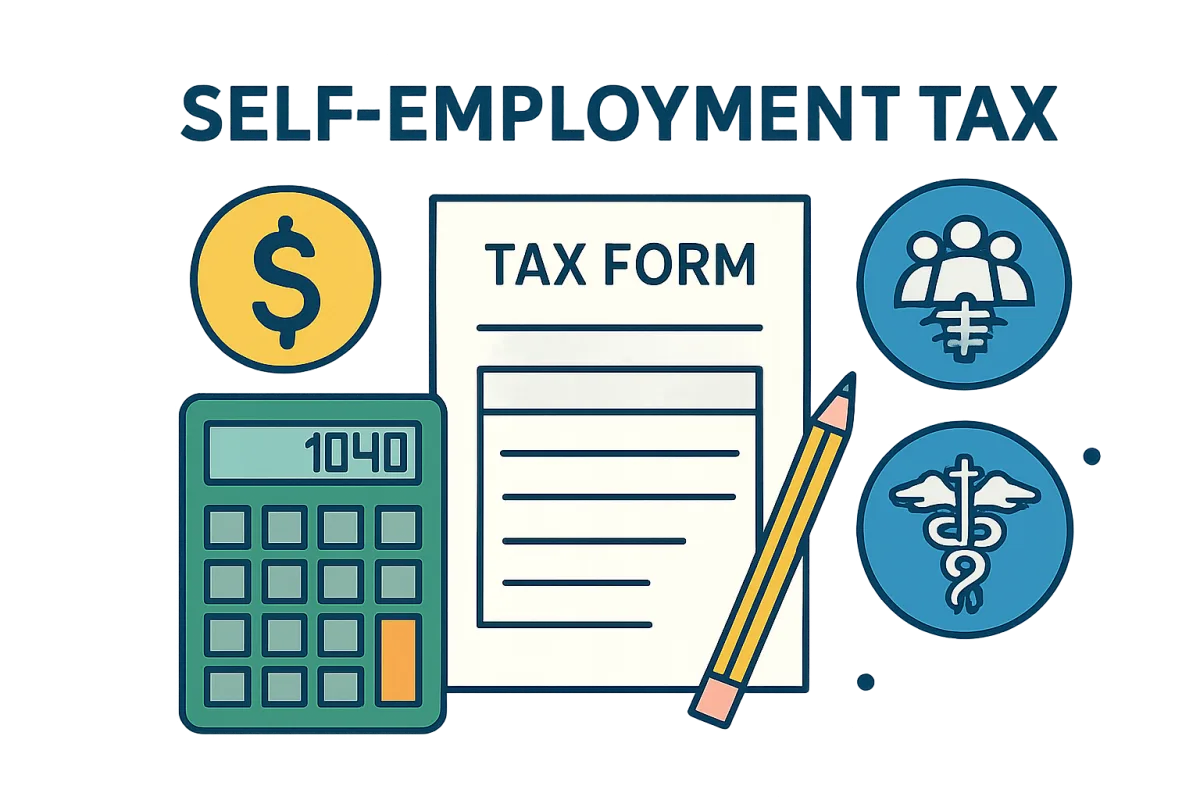
Self-employment tax is a tax that self-employed individuals must pay to cover Social Security and Medicare taxes. It is calculated based on net earnings from self-employment, which includes income from freelance work, business ownership, or other self-generated income. The current self-employment tax rate is 15.3%, which consists of 12.4% for Social Security and 2.9% for Medicare. Understanding this tax is crucial for self-employed individuals to ensure compliance and accurate financial planning.
Quick Summary
Self-employment tax is a critical financial obligation for freelancers and business owners, covering Social Security and Medicare. It is calculated on net earnings, with a rate of 15.3%. Proper understanding of this tax helps in effective financial management and compliance.
Curator Notes
Self-employment tax is essential for individuals who earn income through self-employment, such as freelancers, independent contractors, and small business owners. Unlike traditional employees, self-employed individuals do not have taxes withheld from their paychecks, making it crucial to understand how to calculate and pay self-employment tax. This tax contributes to Social Security and Medicare, ensuring that self-employed individuals receive benefits in retirement and healthcare coverage when needed.
The self-employment tax rate is currently set at 15.3%, which is divided into two parts: 12.4% for Social Security and 2.9% for Medicare. It's important to note that only the first $160,200 of net earnings is subject to the Social Security portion, while all net earnings are subject to the Medicare portion. Self-employed individuals can deduct the employer-equivalent portion of self-employment tax when calculating their adjusted gross income, which can help reduce overall tax liability.
Proper record-keeping and understanding of deductions are vital to effectively managing self-employment tax obligations.
Best Sources
Videos and Community Signals
In this video I'm talking about how to calculate self employment taxes. If you're wondering how FICA, social security and medicare ...
Book a Professional Tax Assessment Call ▶️ https://start.taxalchemy.com/consultation?utm_source=youtube_shorts Download ...
Comparison
| Decision Point | Good Starting Choice | When to Go Further |
|---|---|---|
| Online booking | A simple booking page with service duration, staff assignment and confirmation emails. | Multi-location calendars, deposits, cancellation rules and waitlist handling. |
| Client records | Basic notes, visit history and contact details are enough to start. | Segmentation, purchase history, memberships, forms and before-after notes become more important. |
| Reminders | SMS or email reminders help reduce no-shows without adding admin work. | Automated rebooking, follow-up campaigns and missed-appointment recovery matter more. |
| Payments | Card capture and checkout should be simple and transparent. | Packages, memberships, staff commissions, tips and refunds need cleaner reporting. |
| Marketing | Light email or SMS campaigns are useful if they are easy to run. | Automated win-back, birthday offers, review requests and audience segments create more leverage. |
FAQ
Self-employment tax is a tax that self-employed individuals pay to cover Social Security and Medicare taxes, calculated based on net earnings.
It is calculated at a rate of 15.3% on net earnings from self-employment, which includes income from freelance work and business ownership.
Yes, you can deduct the employer-equivalent portion of self-employment tax when calculating your adjusted gross income.