Scale Service To Product Model
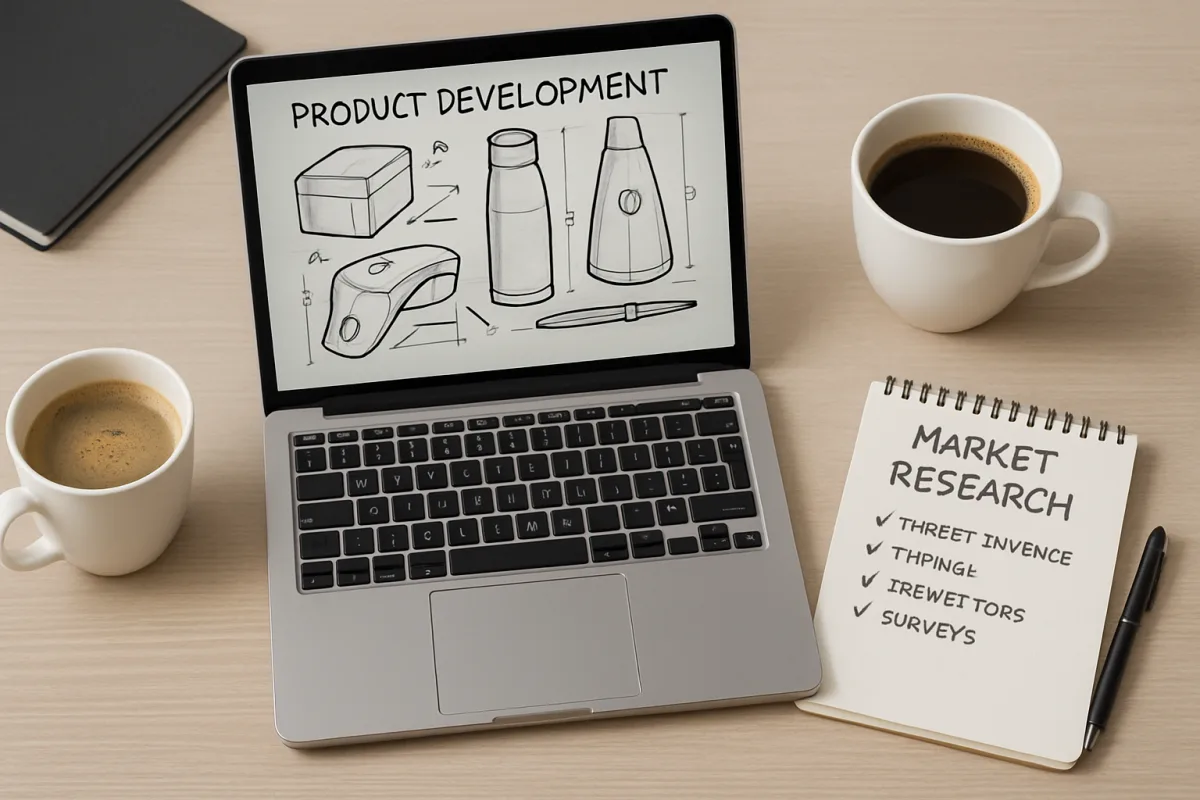
Transitioning from a service-based model to a product-oriented approach involves several strategic steps. Begin by identifying a scalable service that can be standardized into a product. Conduct market research to validate demand, then develop a minimum viable product (MVP) to test your concept. Focus on automating processes and leveraging technology to enhance efficiency. Finally, implement a robust marketing strategy to promote your new product, ensuring you have the necessary support systems in place for customer feedback and iterations.
Quick Summary
Shifting from a service model to a product-based approach can unlock new revenue streams and scalability. Start by identifying a service that can be standardized into a product. Validate your idea through market research and develop a minimum viable product (MVP) for testing. Automation and technology play crucial roles in this transition, enhancing efficiency and customer experience. A well-planned marketing strategy is essential for promoting your product and gathering valuable customer feedback for continuous improvement.
Curator Notes
Transitioning from a service to a product model is a significant shift that can lead to greater scalability and profitability. The first step is to identify which of your services can be standardized. This means looking for services that have consistent demand and can be packaged in a way that appeals to a broader audience.
For instance, if you offer consulting services, consider developing a software tool that encapsulates the core of your consulting process. Market research is crucial in this phase. Understanding your target audience's needs and preferences will help you refine your product concept.
Engaging with potential customers through surveys or focus groups can provide insights that shape your product development. This validation step is essential to ensure that you're not investing time and resources into a product that lacks market demand. Once you have a validated idea, the next step is to create a minimum viable product (MVP).
An MVP allows you to test your concept with real users while minimizing costs. This version of your product should include only the essential features necessary to solve the core problem for your customers. Gathering feedback from early users will help you make informed decisions about further development.
Automation and technology are key components in scaling your product. By leveraging tools that automate repetitive tasks, you can focus on enhancing your product and improving customer experience. For example, integrating customer relationship management (CRM) software can streamline interactions and support, making it easier to manage customer relationships as your product scales.
A strong marketing strategy is vital for the successful launch of your product. This includes identifying the right channels to reach your target audience, whether through social media, email marketing, or partnerships. Crafting a compelling narrative around your product will help differentiate it in a crowded market.
Additionally, consider offering promotions or incentives to encourage early adoption. Finally, establishing a feedback loop is essential for continuous improvement. Encourage customers to provide feedback and be prepared to iterate on your product based on their suggestions.
This not only enhances customer satisfaction but also helps you stay competitive in the market. Remember, transitioning to a product model is not a one-time effort; it requires ongoing adaptation and responsiveness to market changes.
Best Sources
Videos and Community Signals
You can't scale your business without this — Thanks for watching! Join My Discord!: http://www.garyvee.com/discord Check out ...
Scalability isn't merely about expanding operations; it's about creating a resilient infrastructure that can absorb growth without ...
Comparison
| Decision Point | Good Starting Choice | When to Go Further |
|---|---|---|
| Online booking | A simple booking page with service duration, staff assignment and confirmation emails. | Multi-location calendars, deposits, cancellation rules and waitlist handling. |
| Client records | Basic notes, visit history and contact details are enough to start. | Segmentation, purchase history, memberships, forms and before-after notes become more important. |
| Reminders | SMS or email reminders help reduce no-shows without adding admin work. | Automated rebooking, follow-up campaigns and missed-appointment recovery matter more. |
| Payments | Card capture and checkout should be simple and transparent. | Packages, memberships, staff commissions, tips and refunds need cleaner reporting. |
| Marketing | Light email or SMS campaigns are useful if they are easy to run. | Automated win-back, birthday offers, review requests and audience segments create more leverage. |
FAQ
Identify a scalable service, conduct market research, and develop a minimum viable product (MVP) to test your concept.
Engage with potential customers through surveys or focus groups to gather insights on their needs and preferences.
Automation helps streamline processes, allowing you to focus on product development and customer experience.
A strong marketing strategy is crucial for reaching your target audience and promoting your product effectively.