Safe Chemical Peels At Home
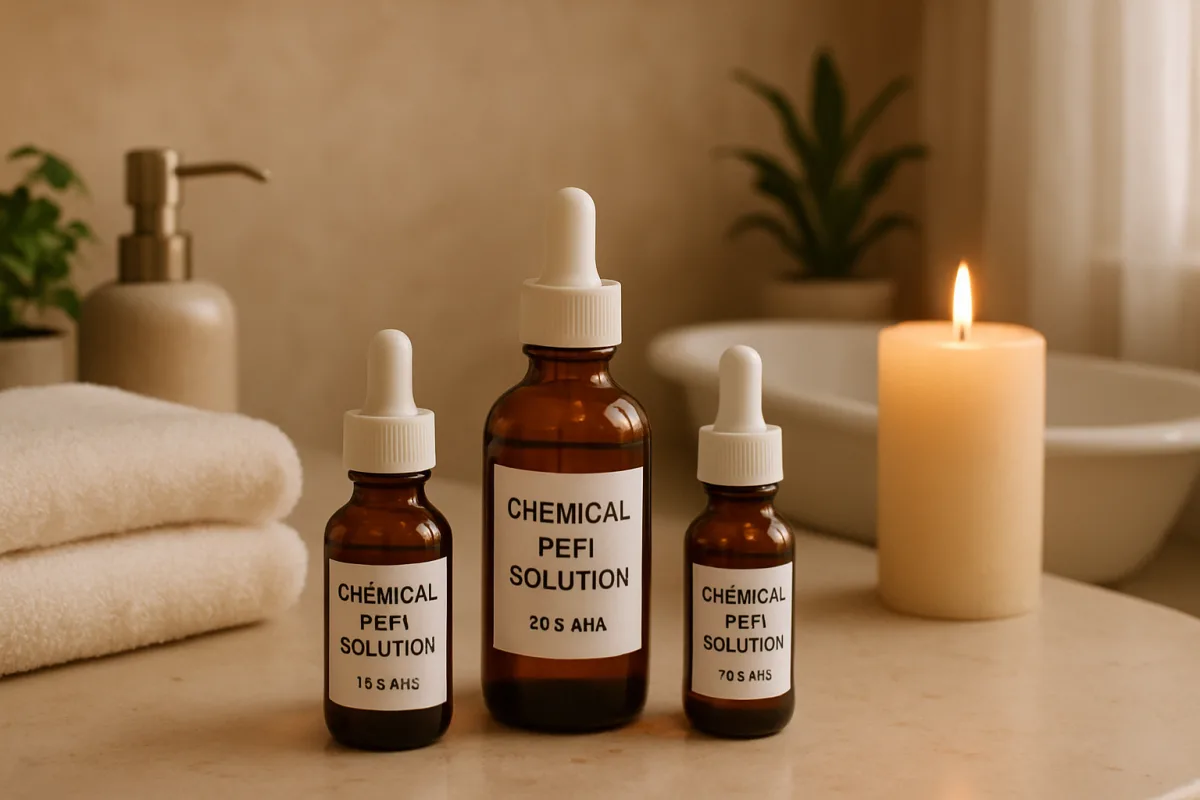
Safe chemical peels at home can be achieved using gentle, over-the-counter products that contain alpha hydroxy acids (AHAs) or beta hydroxy acids (BHAs). Look for formulations with glycolic acid or salicylic acid, which are effective yet mild enough for home use. Always perform a patch test before applying any product to your face, and follow the instructions carefully to avoid irritation. For best results, start with lower concentrations and gradually increase as your skin adjusts. Consulting a dermatologist is advisable, especially for those with sensitive skin or specific skin conditions.
Quick Summary
Achieving safe chemical peels at home is possible with the right products and precautions. Focus on over-the-counter options containing AHAs or BHAs, such as glycolic or salicylic acid. These ingredients can effectively exfoliate the skin without causing excessive irritation. Always conduct a patch test and follow usage instructions closely. For individuals with sensitive skin, starting with lower concentrations is crucial. Consulting a dermatologist can provide personalized advice and ensure safety during the process.
Curator Notes
Chemical peels can rejuvenate the skin by removing dead skin cells and promoting cell turnover. However, performing these treatments at home requires careful consideration of product choice and skin type. Over-the-counter options are available that are formulated with milder acids, making them suitable for home use.
Glycolic acid is a popular choice due to its ability to penetrate the skin effectively, while salicylic acid is excellent for oily or acne-prone skin. Both can yield noticeable results when used correctly. Before starting any chemical peel, it's essential to assess your skin's sensitivity.
Conducting a patch test on a small area can help identify any adverse reactions. If irritation occurs, discontinue use immediately. For those with sensitive skin, starting with a lower concentration of acid is advisable.
Gradually increasing the strength can help your skin adapt without excessive irritation. Timing is also crucial. Chemical peels should not be done too frequently.
A good rule of thumb is to wait at least two weeks between treatments. This allows your skin to recover and reduces the risk of over-exfoliation, which can lead to redness and peeling. Post-peel care is equally important.
After a chemical peel, your skin may be more sensitive to sunlight. Applying sunscreen daily and avoiding direct sun exposure can help protect your skin. Additionally, using a gentle moisturizer can aid in recovery and keep your skin hydrated.
While at-home chemical peels can be effective, consulting with a dermatologist is recommended, especially for individuals with specific skin conditions or concerns. A professional can provide tailored advice and may suggest stronger treatments if necessary. In summary, safe chemical peels at home are achievable with the right products and precautions.
Focus on gentle formulations, perform patch tests, and prioritize skin recovery. With careful attention, you can enjoy the benefits of chemical peels without the risks associated with stronger, professional treatments.
Recommended Options
- The Ordinary Glycolic Acid 7% Toning Solution: Best for Individuals seeking gentle exfoliation Contains a moderate concentration of glycolic acid for effective exfoliation. Signal checked: Highly rated by users for its effectiveness and affordability. Alternative to consider: Paula's Choice Skin Perfecting 2% BHA Liquid Exfoliant
- Paula's Choice Skin Perfecting 2% BHA Liquid Exfoliant: Best for Oily and acne-prone skin types Salicylic acid helps clear pores and reduce breakouts. Signal checked: Widely recommended by dermatologists and skincare enthusiasts. Alternative to consider: Neutrogena Rapid Clear Treatment
- Drunk Elephant T.L.C. Sukari Babyfacial: Best for Those looking for a more intensive treatment Combines AHAs and BHAs for a comprehensive peel experience. Signal checked: Popular among beauty influencers and has received numerous awards. Alternative to consider: Sunday Riley Good Genes
Best Sources
Videos and Community Signals
Thanks to L'Oréal for sponsoring this video! Shop the snake peel here: https://bit.ly/3MXjKCm Disclaimer: This video is not ...
Do chemical peels really work? Discover the science behind chemical peels, learn about their effectiveness in treating various ...
Comparison
| Decision Point | Good Starting Choice | When to Go Further |
|---|---|---|
| Skin Type Suitability | Glycolic acid for normal to dry skin | Salicylic acid for oily or acne-prone skin |
| Frequency of Use | Every 2 weeks for mild peels | Weekly for more intensive treatments |
| Post-Peel Care | Use sunscreen and moisturizer | Consider additional soothing treatments for sensitive skin |
FAQ
It's generally recommended to wait at least two weeks between peels to allow your skin to recover.
If you experience irritation, discontinue use immediately and consult a dermatologist if necessary.
It's best to avoid makeup for at least 24 hours after a peel to allow your skin to breathe and recover.