SaaS Pricing Models Compared
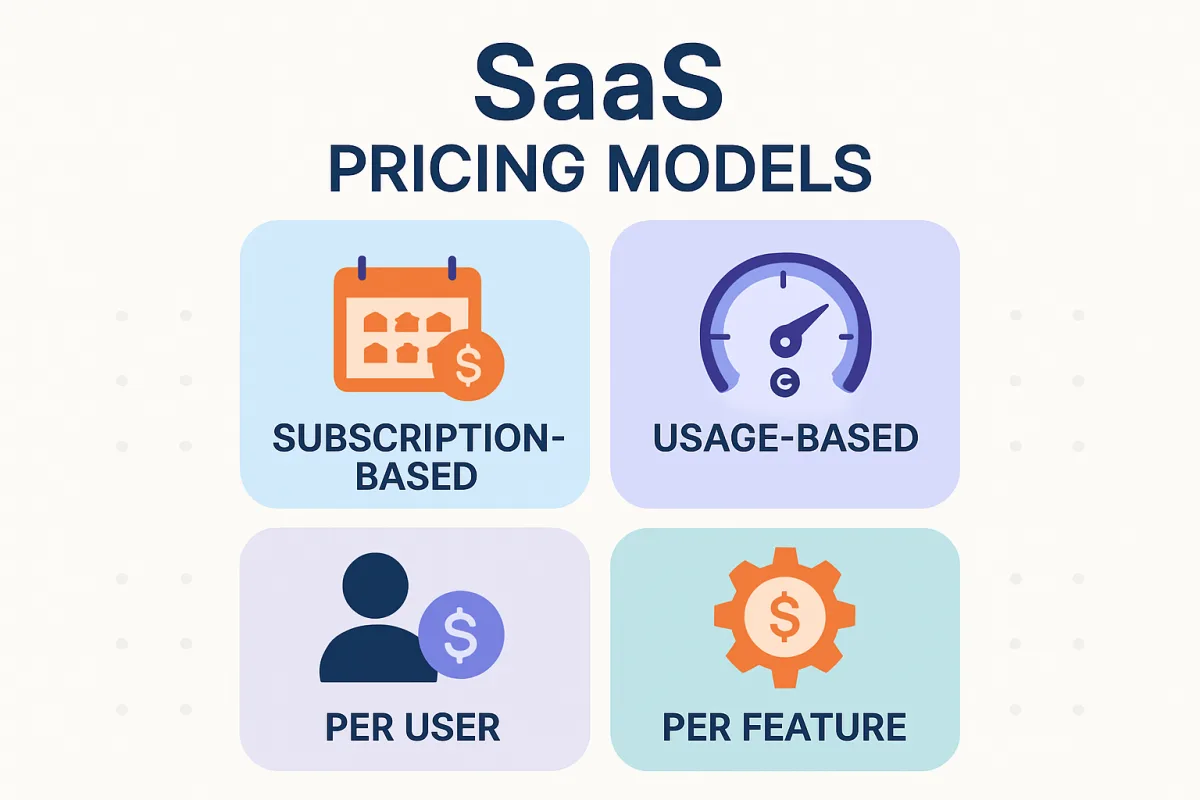
SaaS pricing models vary widely, with common types including subscription-based, usage-based, tiered, and freemium models. Each has its advantages and trade-offs depending on the target market and business goals. Subscription models provide predictable revenue but may limit user engagement, while usage-based models can attract a wider audience but lead to unpredictable income. Understanding these models helps businesses choose the best fit for their strategy.
Quick Summary
This guide compares various SaaS pricing models, including subscription, usage-based, tiered, and freemium. Each model has unique benefits and trade-offs, making it crucial for businesses to select the one that aligns with their goals and customer needs.
Curator Notes
SaaS pricing models are essential for determining how a software service generates revenue. The most common models include subscription-based, where users pay a recurring fee; usage-based, where costs are tied to the amount of service consumed; tiered, which offers different service levels at varying prices; and freemium, where basic services are free but advanced features require payment. The subscription model is popular for its predictability, allowing businesses to forecast revenue.
However, it may deter users who prefer flexibility. Usage-based models, while appealing for their fairness, can lead to revenue fluctuations, making financial planning challenging. Tiered pricing can cater to different customer segments but may complicate the purchasing decision.
Freemium models can effectively attract users but risk converting them to paying customers. Ultimately, the choice of pricing model should align with the company's target audience, market conditions, and long-term business strategy. Analyzing customer behavior and preferences is key to selecting the most effective model.
Recommended Options
- HubSpot: Best for Small to medium-sized businesses looking for an all-in-one marketing solution. Offers a robust free tier with scalable paid options, making it accessible for startups. Signal checked: High user satisfaction ratings and extensive feature set. Alternative to consider: Zoho CRM
- Salesforce: Best for Large enterprises needing comprehensive CRM solutions. Signal checked: Industry leader with a significant market share and extensive user base. Alternative to consider: Microsoft Dynamics 365
- Slack: Best for Teams looking for effective communication and collaboration tools. Signal checked: Widely adopted across various industries, praised for enhancing team productivity. Alternative to consider: Microsoft Teams
Best Sources
Videos and Community Signals
In my own journey in scaling SaaS companies I've learned two important things. We tend to completely undercharge for our ...
How to price your SaaS! In 5 minutes I'll give you 5 SaaS pricing models for you to choose from. From the most common SaaS ...
Comparison
| Decision Point | Good Starting Choice | When to Go Further |
|---|---|---|
| Pricing Structure | Subscription-based for predictable revenue. | Usage-based for flexibility and scalability. |
| Target Audience | Freemium for startups and small businesses. | Tiered for enterprises with diverse needs. |
| Revenue Predictability | Subscription for stable cash flow. | Usage-based for potential revenue spikes. |
FAQ
The subscription-based model is the most common, where users pay a recurring fee for access.
Consider your target audience, market conditions, and the nature of your service to select the most suitable model.