Running Shoes Joint Support
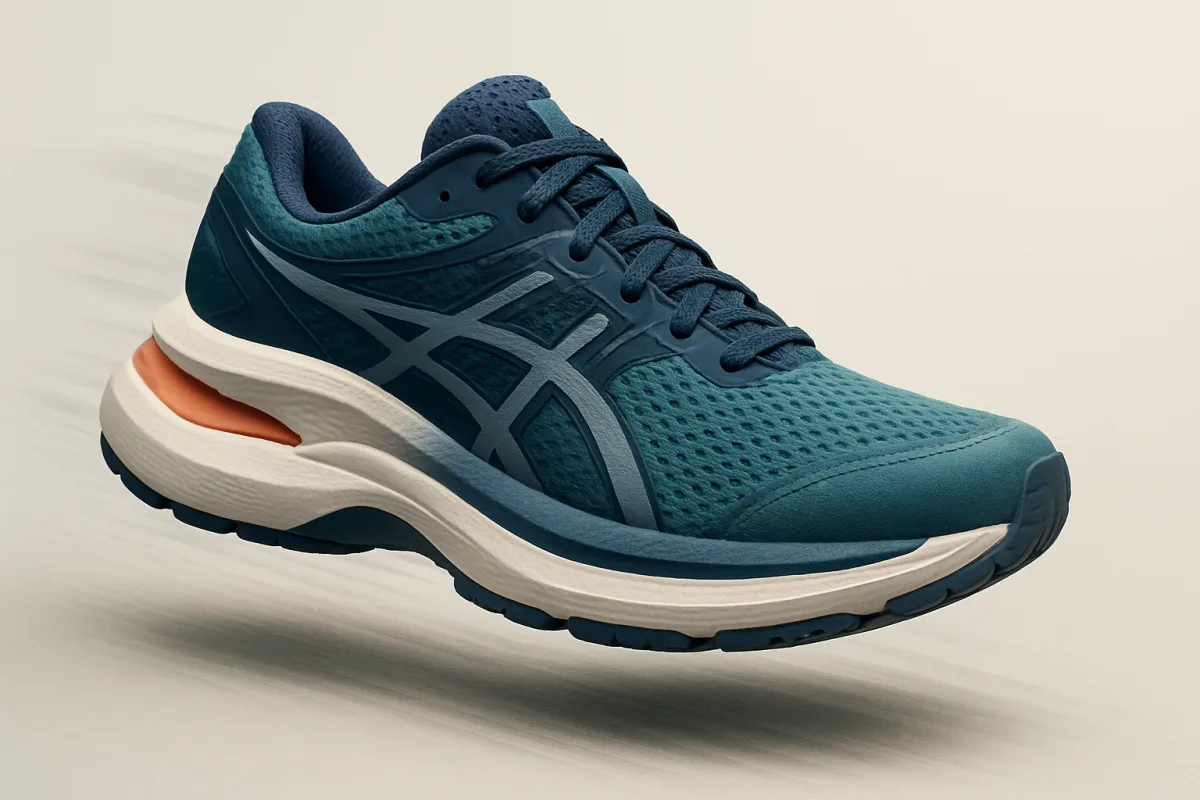
Selecting the right running shoes for joint support is crucial for preventing injuries and enhancing performance. Look for shoes with adequate cushioning, arch support, and stability features. Brands like ASICS, Brooks, and Hoka One One are known for their supportive designs. ASICS Gel-Kayano offers excellent cushioning and stability, making it ideal for overpronators. Brooks Ghost is versatile, providing a balanced feel for various foot types. Hoka One One Bondi is favored for its plush cushioning, suitable for long-distance runners needing extra joint protection. Always consider your foot type and running style when choosing.
Quick Summary
Choosing running shoes that provide joint support is essential for both injury prevention and comfort. Key features to look for include cushioning, arch support, and stability. Popular options include ASICS Gel-Kayano for stability, Brooks Ghost for versatility, and Hoka One One Bondi for maximum cushioning. Each brand offers unique benefits tailored to different running styles and foot types. Understanding your specific needs will help you select the best option for your running routine.
Curator Notes
Finding the right running shoes for joint support involves understanding the specific features that can help reduce impact and provide stability. Cushioning is paramount; shoes with ample cushioning can absorb shock and lessen the strain on your joints during runs. Look for models that incorporate advanced foam technologies, which can enhance comfort and responsiveness.
Arch support is another critical factor. Runners with flat feet or high arches may require specific shoe designs that cater to their foot structure. Brands like ASICS and Brooks often provide options that include built-in arch support, which can help maintain proper alignment and reduce the risk of injuries.
Stability features are essential for those who overpronate, as they help control foot motion. The ASICS Gel-Kayano is a prime example, designed with a supportive structure that guides the foot through its natural motion. This can be especially beneficial for runners who struggle with joint pain due to improper foot mechanics.
On the other hand, if you prefer a more neutral shoe, the Brooks Ghost offers a balanced feel that accommodates various foot types. It combines cushioning with a lightweight design, making it suitable for both casual joggers and serious runners. For those who prioritize maximum cushioning, the Hoka One One Bondi stands out.
Its thick midsole provides exceptional shock absorption, which is particularly advantageous for long-distance runners. However, the trade-off may be a heavier shoe, which some runners might find less responsive. When selecting running shoes, consider your running style, foot type, and any previous injuries.
A proper fitting is crucial; visiting a specialty running store for a gait analysis can provide insights into the best shoe for your needs. Remember that comfort is subjective, and what works for one runner may not work for another. Lastly, keep in mind that while investing in quality shoes is important, regular replacement is necessary to maintain optimal support.
Shoes lose their cushioning and structural integrity over time, so be proactive in monitoring their condition to ensure continued joint protection during your runs.
Recommended Options
- ASICS Gel-Kayano: Best for Overpronators needing stability Offers excellent cushioning and support for foot alignment. Signal checked: Highly rated by runners for stability and comfort. Alternative to consider: ASICS GT-2000 for a more budget-friendly option.
- Brooks Ghost: Best for Neutral runners seeking versatility Combines cushioning with a lightweight design, suitable for various distances. Signal checked: Popular among runners for its comfort and adaptability. Alternative to consider: Brooks Adrenaline GTS for added support.
- Hoka One One Bondi: Best for Long-distance runners needing extra cushioning Features a thick midsole for maximum shock absorption. Signal checked: Favored by runners with joint issues for its plush feel. Alternative to consider: Hoka One One Clifton for a lighter option.
Best Sources
Videos and Community Signals
In this video, we will discuss the importance of proper footwear for knee health, common shoe mistakes that aggravate knee pain, ...
Runner's knee is something you may hear of fairly regularly in the running & triathlon world. It can seriously hamper your training ...
Comparison
| Decision Point | Good Starting Choice | When to Go Further |
|---|---|---|
| Cushioning | Moderate cushioning for casual runners | Maximum cushioning for long-distance runners |
| Arch Support | Neutral support for average foot types | Enhanced support for flat or high arches |
| Stability | Basic stability for neutral runners | Advanced stability for overpronators |
FAQ
It's recommended to replace running shoes every 300-500 miles, depending on wear and tear.
Yes, the right running shoes can provide support and cushioning that alleviate joint pain.
Look for cushioning, arch support, and stability features tailored to your foot type.