Robo Advisors Compared
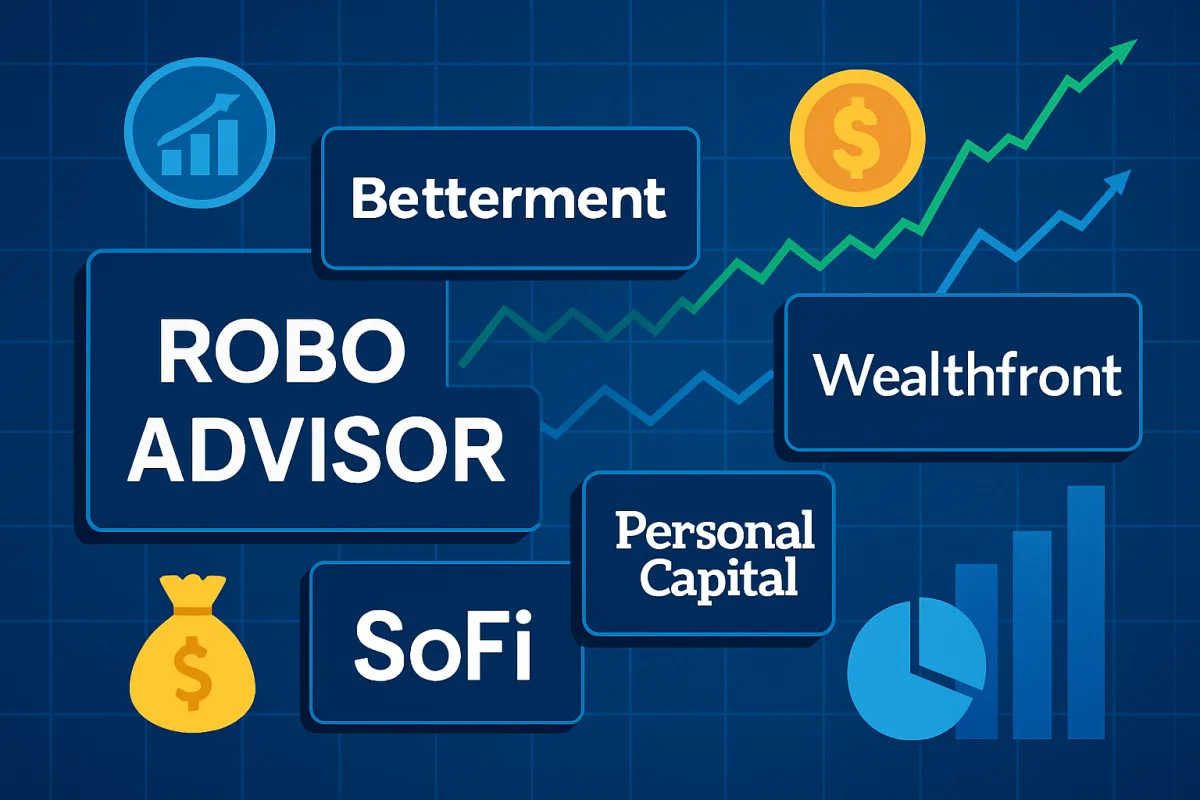
Robo advisors are automated platforms that provide financial planning services with minimal human intervention. They typically use algorithms to manage investments based on individual risk tolerance and financial goals. Popular options include Betterment, Wealthfront, and M1 Finance, each offering unique features such as tax-loss harvesting, personalized portfolios, and varying fee structures. Choosing the right robo advisor depends on your specific financial needs, investment preferences, and desired level of automation.
Quick Summary
This page compares various robo advisors to help you make informed decisions about automated investment management. Key players like Betterment, Wealthfront, and M1 Finance are evaluated based on features, fees, and suitability for different investor profiles. Understanding these aspects will guide you in selecting the most appropriate robo advisor for your financial goals.
Curator Notes
Robo advisors have gained popularity for their ability to provide low-cost investment management services. They typically require little to no minimum investment and offer a range of portfolio options tailored to individual risk profiles. For instance, Betterment is known for its user-friendly interface and robust financial planning tools, making it ideal for beginners.
Wealthfront, on the other hand, offers advanced features like tax-loss harvesting and financial planning, appealing to more experienced investors seeking optimization strategies. M1 Finance stands out with its unique 'pie' investment structure, allowing users to customize their portfolios while still benefiting from automated management. Each platform has its own fee structure, with some charging a flat fee while others take a percentage of assets under management.
Understanding these differences is crucial for making an informed choice that aligns with your financial objectives and investment style.
Recommended Options
- Betterment: Best for Beginner investors seeking a simple, user-friendly platform. Offers personalized financial advice and automatic rebalancing. Signal checked: High customer satisfaction ratings and a strong reputation in the industry. Alternative to consider: Wealthfront for more advanced features.
- Wealthfront: Best for Investors looking for tax optimization and financial planning tools. Includes features like tax-loss harvesting and a financial planning dashboard. Signal checked: Recognized for its innovative approach and comprehensive service offerings. Alternative to consider: Betterment for a more straightforward investment approach.
- M1 Finance: Best for Investors who want a customizable investment experience. Allows users to create their own portfolios with a unique pie-based system. Signal checked: Gaining popularity for its flexibility and zero management fees. Alternative to consider: Betterment for those preferring a fully automated experience.
Best Sources
Videos and Community Signals
In this video, Clark shares how to choose between a robo-advisor vs. financial planner vs. managing investments yourself. Also ...
With the rise of Robo-Advisors and their automated, low-cost investment management services, many people may wonder if the ...
Comparison
| Decision Point | Good Starting Choice | When to Go Further |
|---|---|---|
| User Interface | Betterment offers a straightforward, easy-to-navigate interface. | M1 Finance provides a customizable interface for more experienced users. |
| Tax Optimization | Wealthfront includes tax-loss harvesting as a standard feature. | Betterment offers tax optimization but may not be as comprehensive. |
| Investment Customization | Betterment provides pre-built portfolios for simplicity. | M1 Finance allows full customization of investment pies. |
FAQ
A robo advisor is an automated platform that manages investments using algorithms based on individual financial goals and risk tolerance.
Yes, robo advisors are generally safe, employing advanced security measures and regulatory compliance to protect user data and investments.
Fees vary by platform; some charge a flat fee while others take a percentage of assets under management, typically ranging from 0.25% to 1%.